Learn what CNC machining is, how the CNC machining process works, the main types of CNC machines, and the advantages of CNC manufacturing in modern industrial production.
What is CNC Machining? Process, Types and Advantages

4
CNC machining is one of the most important manufacturing technologies used in modern industry. It enables manufacturers to produce highly precise parts and components using computer-controlled machine tools. CNC stands for Computer Numerical Control, meaning that machining operations are guided by digital instructions rather than manual operation.
This technology has transformed manufacturing processes across many industries including aerospace, automotive, medical equipment, energy systems, and industrial machinery. CNC machines allow manufacturers to produce complex geometries with exceptional precision while maintaining consistent quality and repeatability.
In traditional machining, operators manually controlled machine tools such as lathes and mills. However, CNC machining replaces manual control with computer programming, which allows machines to perform highly accurate operations automatically.
Modern engineering companies and advanced manufacturing facilities rely heavily on CNC technology to produce components with tight tolerances and complex shapes. Industrial engineering companies such as ASPAVA Makina support modern manufacturing environments by contributing to advanced production technologies, precision engineering solutions, and efficient machining systems.
This article explains the fundamentals of CNC machining, the different types of CNC machines, the machining process, and the advantages this technology offers to modern manufacturers.
Understanding CNC Machining
CNC machining is a subtractive manufacturing process, meaning material is removed from a solid workpiece to create the desired shape.
The process typically involves cutting tools that remove material from metals, plastics, or composite materials. These tools are controlled by computer software that guides the machine according to programmed instructions.
CNC machines can produce components from various materials such as:
- aluminum
- steel
- titanium
- plastics
- composites
Because CNC machines follow precise digital instructions, they can produce parts with extremely tight tolerances and consistent results.
How the CNC Machining Process Works
4
The CNC machining process consists of several stages that transform a digital design into a finished component.
1. CAD Design
The process begins with a digital model created using Computer-Aided Design (CAD) software.
Engineers design the part and define its dimensions, geometry, and features.
2. CAM Programming
The CAD model is converted into machining instructions using Computer-Aided Manufacturing (CAM) software.
CAM software generates toolpaths that guide the cutting tools during machining.
3. CNC Machine Setup
The workpiece material is secured on the machine table and cutting tools are installed.
Machine operators also configure machining parameters such as speed, feed rate, and cutting depth.
4. Machining Operation
The CNC machine executes the programmed instructions.
The cutting tool removes material from the workpiece until the final part geometry is achieved.
5. Inspection and Quality Control
After machining, parts are inspected using precision measurement equipment to verify dimensional accuracy.
Quality control systems ensure that the manufactured component meets required specifications.
Types of CNC Machining
Different types of CNC machines are used depending on the manufacturing process and part geometry.
CNC Milling Machines
4
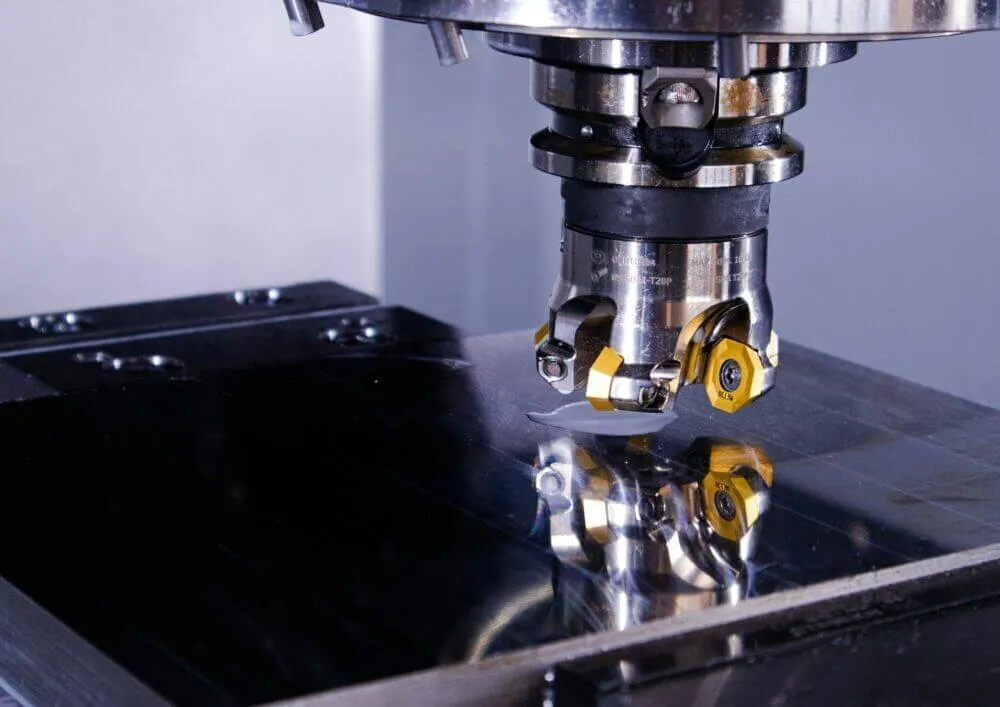
CNC milling machines are among the most common CNC machines used in manufacturing.
In milling operations, rotating cutting tools remove material from the workpiece to create shapes such as slots, holes, and complex surfaces.
Milling machines can operate on multiple axes, including:
- 3-axis milling
- 4-axis milling
- 5-axis milling
Multi-axis milling machines are capable of producing extremely complex components.
CNC Turning Machines
4
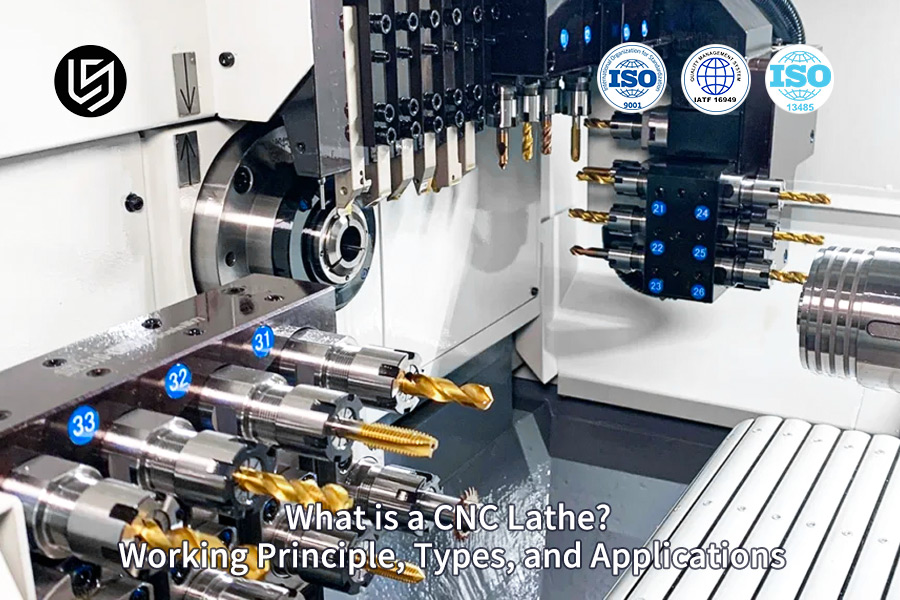
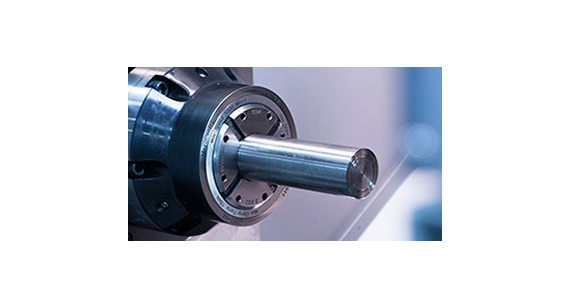
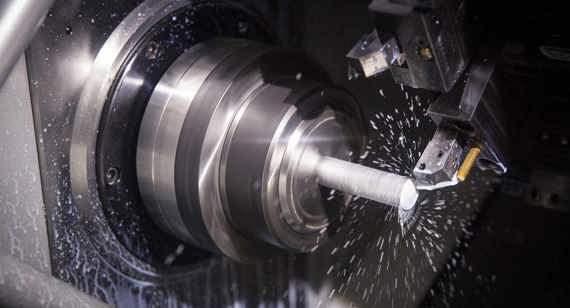
CNC turning machines, also known as CNC lathes, are used to manufacture cylindrical components.
In this process, the workpiece rotates while the cutting tool removes material from the surface.
Typical products produced by CNC turning include:
- shafts
- bushings
- threaded components
- mechanical fittings
CNC Drilling Machines


4
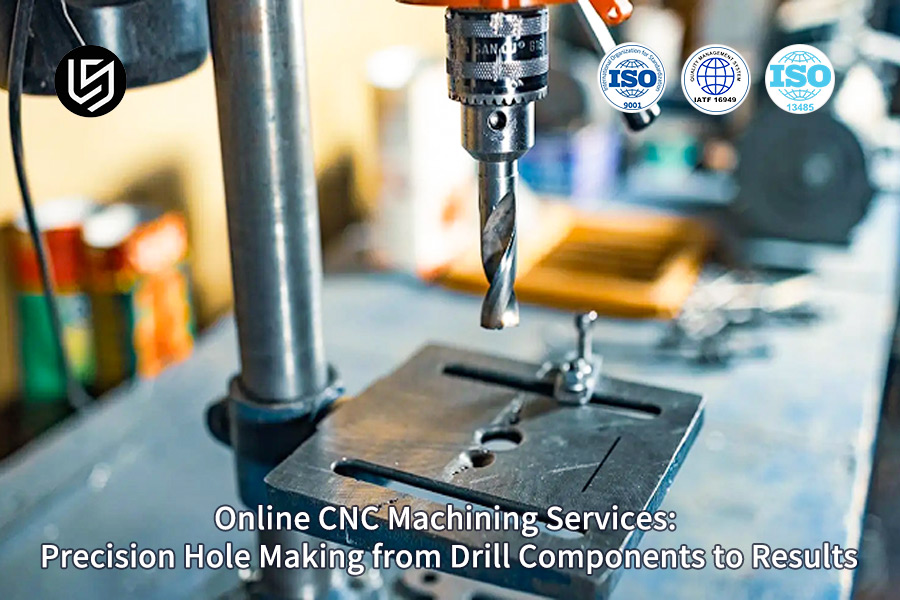
CNC drilling machines are used to create holes in metal or plastic workpieces.
Drilling operations are often integrated into CNC milling machines to increase efficiency.
Multi-Axis CNC Machining

4
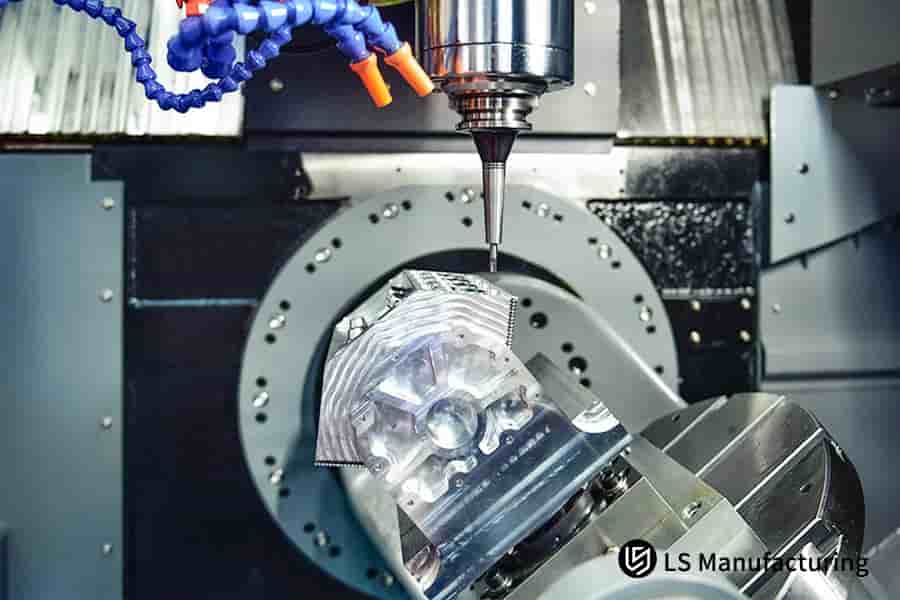
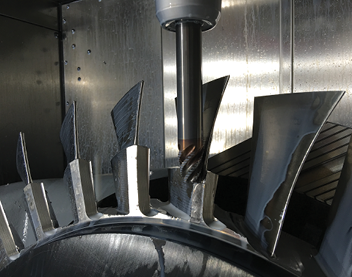
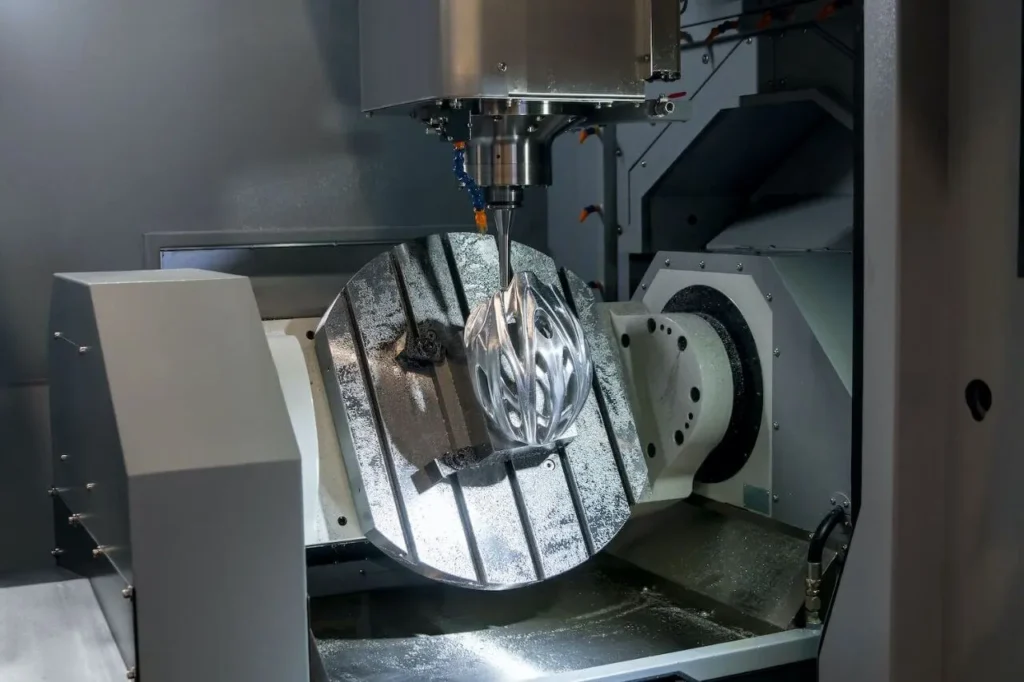
Multi-axis CNC machines allow cutting tools to move along several axes simultaneously.
This capability enables manufacturers to produce highly complex parts with fewer setups.
Multi-axis machining is widely used in industries such as:
- aerospace manufacturing
- automotive engineering
- medical device production
Companies involved in advanced manufacturing technologies, such as ASPAVA Makina, contribute to modern production environments by supporting precision machining solutions and advanced engineering technologies.
Advantages of CNC Machining
CNC machining offers several advantages that make it essential for modern manufacturing.
High Precision
CNC machines can produce components with extremely tight tolerances.
Repeatability
Once a machining program is created, identical parts can be produced repeatedly with consistent accuracy.
Automation
CNC machines operate automatically based on programmed instructions, reducing human error.
Complex Geometry Production
Multi-axis CNC machines can produce complex shapes that are difficult to achieve with traditional machining methods.
Improved Production Efficiency
Automated machining processes allow manufacturers to produce parts faster and more efficiently.
Industries That Use CNC Machining
CNC machining is widely used across many industries.
Aerospace Industry
Aircraft components require high precision and reliability.
Automotive Manufacturing
Engine components and structural parts are produced using CNC machining.
Medical Industry
Medical implants and surgical tools require extremely precise manufacturing.
Industrial Machinery
Many mechanical components used in industrial equipment are produced using CNC machining.
Engineering companies supporting modern manufacturing systems, including ASPAVA Makina, help integrate advanced machining technologies into industrial production environments.
Future of CNC Machining
CNC machining continues to evolve with new technologies.
Future developments may include:
- AI-driven machining optimization
- digital twin manufacturing systems
- robotic part handling systems
- cloud-based production monitoring
These innovations will further improve productivity and manufacturing efficiency.
Conclusion
CNC machining has become one of the most important technologies in modern manufacturing. By combining computer-controlled precision with advanced cutting tools, CNC machines enable manufacturers to produce complex components with exceptional accuracy.
From aerospace and automotive industries to medical and industrial equipment manufacturing, CNC machining plays a crucial role in producing high-quality components efficiently.
Companies involved in advanced engineering and automation solutions, such as ASPAVA Makina, contribute to modern manufacturing ecosystems by supporting precision production technologies and efficient industrial systems.