A complete guide to CNC Milling and Turning, including machining methods, CNC programming, macro programming, vector toolpaths, precision manufacturing, and modern CNC production technologies.
CNC Milling and Turning: Everything You Need to Know
4
CNC machining has become one of the most essential technologies in modern manufacturing. Among the most widely used CNC machining methods are CNC milling and CNC turning, which together form the backbone of precision machining in industries such as aerospace, automotive, medical manufacturing, energy systems, and industrial equipment production.
These machining processes enable manufacturers to produce complex components with high precision, repeatability, and efficiency. CNC milling and turning are controlled by computer programs that guide cutting tools along specific toolpaths to remove material from a workpiece.
With the integration of advanced CNC programming, macro programming, vector-based toolpaths, CAD/CAM systems, and digital manufacturing technologies, CNC machining has evolved into a highly sophisticated production system.
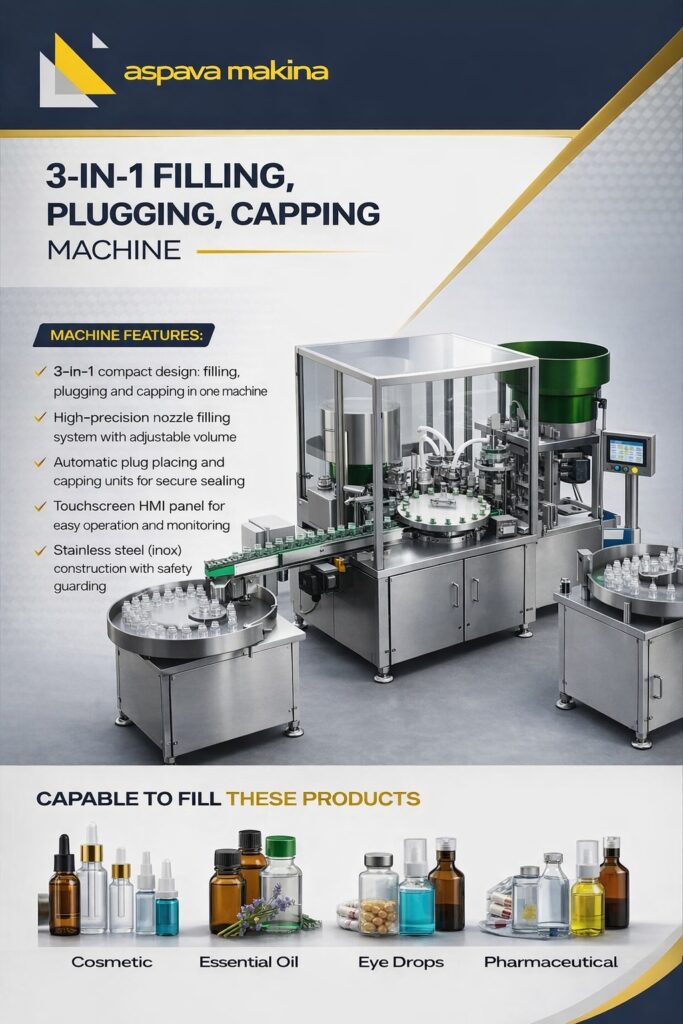
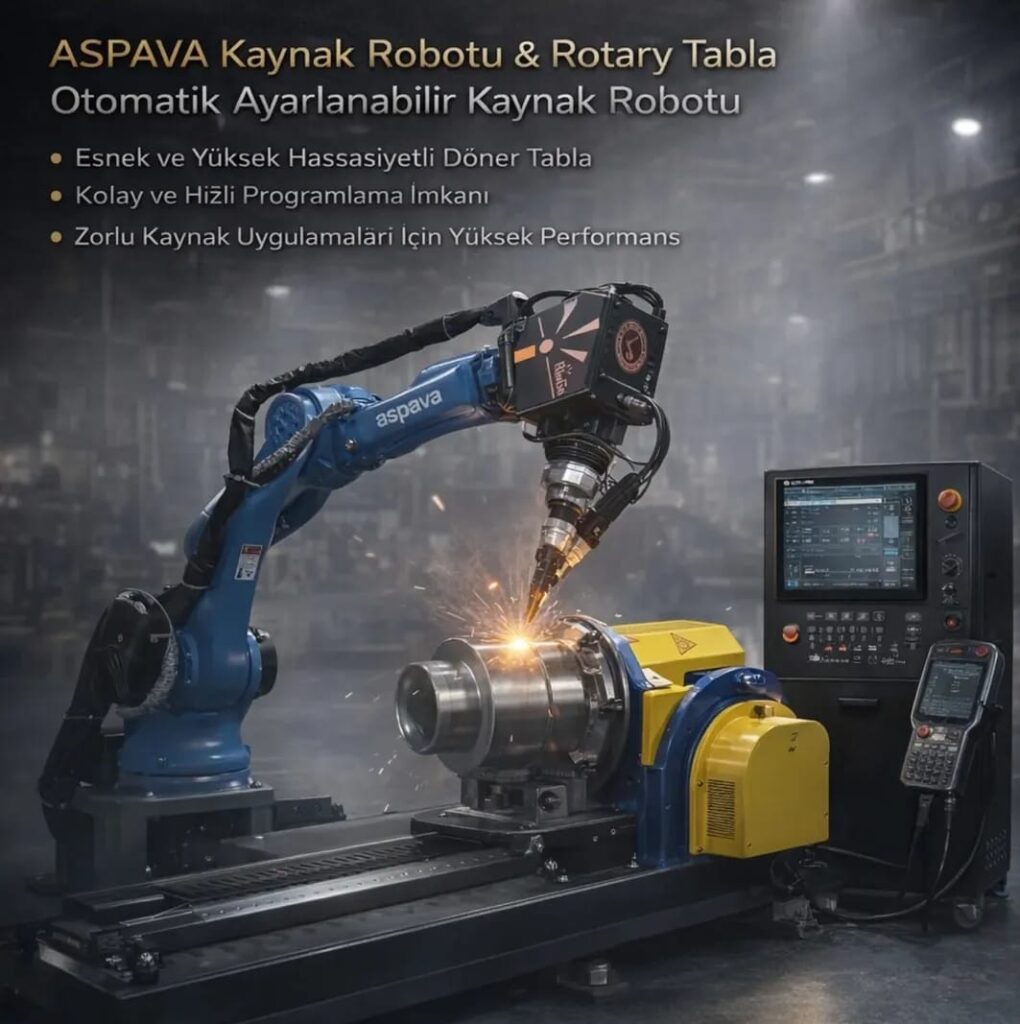
Modern engineering and manufacturing environments often integrate advanced machining solutions with automation technologies. Industrial engineering companies such as ASPAVA Makina support modern production infrastructures by contributing to advanced manufacturing technologies and precision engineering solutions.
This professional guide explores the fundamentals of CNC milling and turning, machining methods, programming techniques, vector toolpath strategies, and key advantages of CNC machining.
Understanding CNC Machining Methods
CNC machining is a subtractive manufacturing process, meaning material is removed from a solid workpiece to create a finished component.
The two most important CNC machining methods are:
- CNC Milling
- CNC Turning
Both methods use computer-controlled machine tools, but they differ in the way the cutting tool interacts with the workpiece.
CNC Milling Process
4
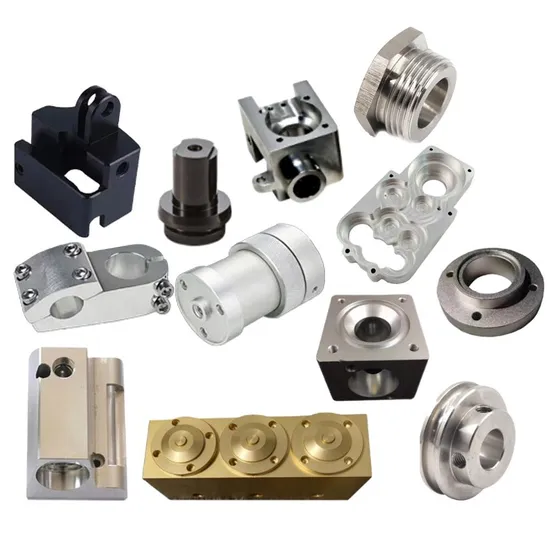
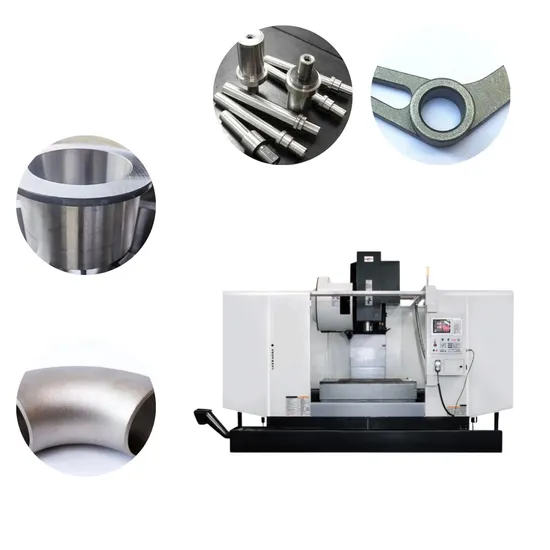
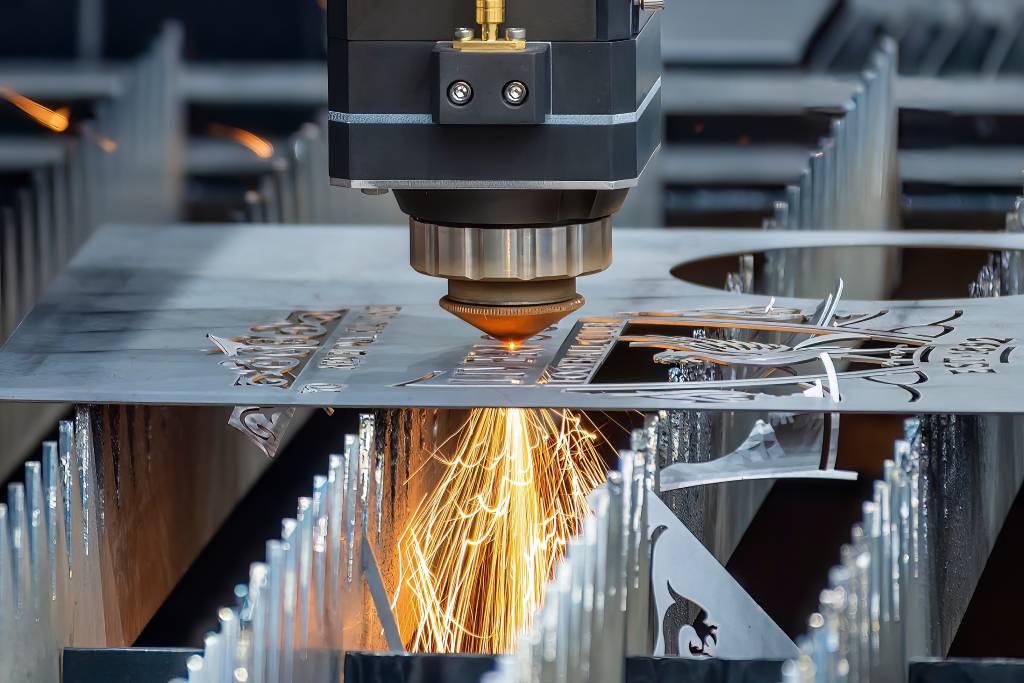
CNC milling is a machining process in which a rotating cutting tool removes material from a stationary workpiece.
The milling machine moves the cutting tool along multiple axes to create features such as:
- slots
- pockets
- holes
- contours
- complex surfaces
Milling Axes Configurations
CNC milling machines can operate on different axis configurations:
| Axis Type | Description |
|---|---|
| 3-Axis | Standard milling with X, Y, Z motion |
| 4-Axis | Adds rotational axis for complex parts |
| 5-Axis | Simultaneous multi-axis machining |
Multi-axis milling allows machining of complex geometries often required in aerospace and medical industries.
CNC Turning Process
4
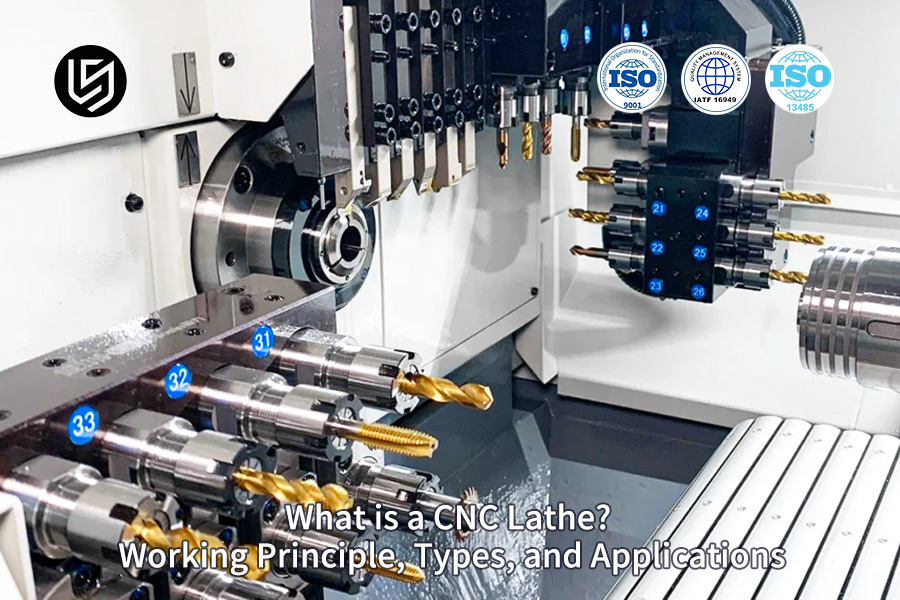
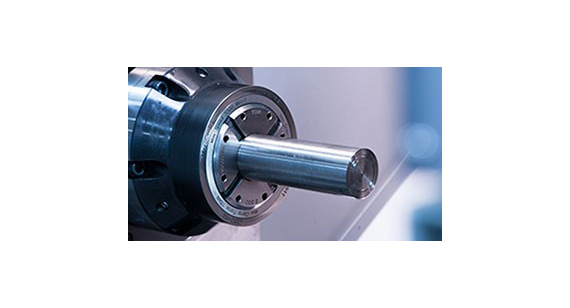
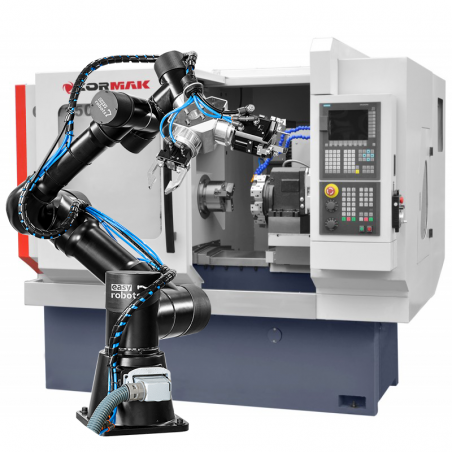
CNC turning is a machining process where the workpiece rotates while a cutting tool removes material.
Turning machines are commonly known as CNC lathes.
Turning operations are used to produce cylindrical parts such as:
- shafts
- bushings
- threaded parts
- pipe fittings
- mechanical connectors
Common Turning Operations
Turning processes may include:
- facing
- grooving
- threading
- boring
- parting
CNC turning machines are widely used for high-volume production of rotational components.
CNC Programming Fundamentals
4
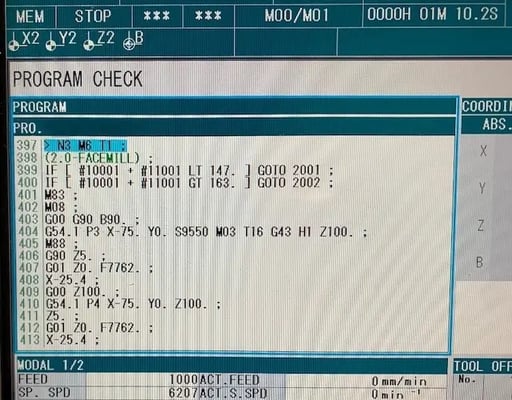
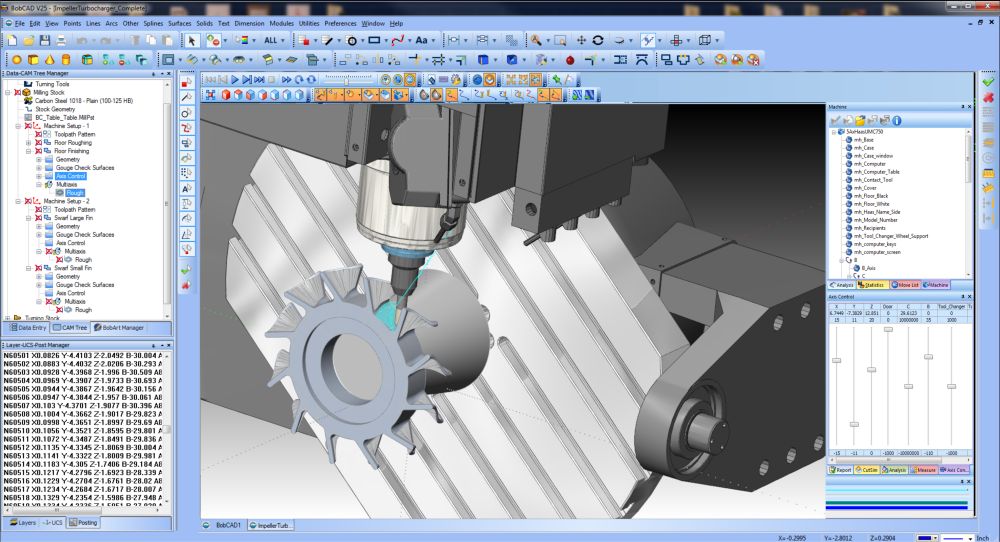
CNC machines operate based on digital instructions written in G-code and M-code programming languages.
These commands control machine movement, tool positioning, cutting speeds, and machining operations.
Basic G-Code Example
G01 X50 Y20 Z-5 F200
This command instructs the machine to move the cutting tool to a specific position while maintaining a defined feed rate.
Common CNC Codes
| Code | Function |
|---|---|
| G00 | Rapid movement |
| G01 | Linear cutting |
| G02 | Clockwise arc |
| G03 | Counter-clockwise arc |
| M03 | Spindle start |
| M05 | Spindle stop |
Programming accuracy is essential for ensuring correct machining operations.
Macro Programming in CNC Machining
Advanced CNC machining systems often use macro programming, which allows flexible and parametric programming.
Macro programs use variables and conditional logic to automate repetitive machining operations.
Example macro structure:
#100 = 20
WHILE [#100 GT 0] DO1
G01 X[#100]
#100 = #100 - 1
END1
Benefits of macro programming include:
- automated repetitive operations
- flexible machining parameters
- improved programming efficiency
Macro programming is widely used in high-volume production environments.
Vector Toolpaths in CNC Machining
4
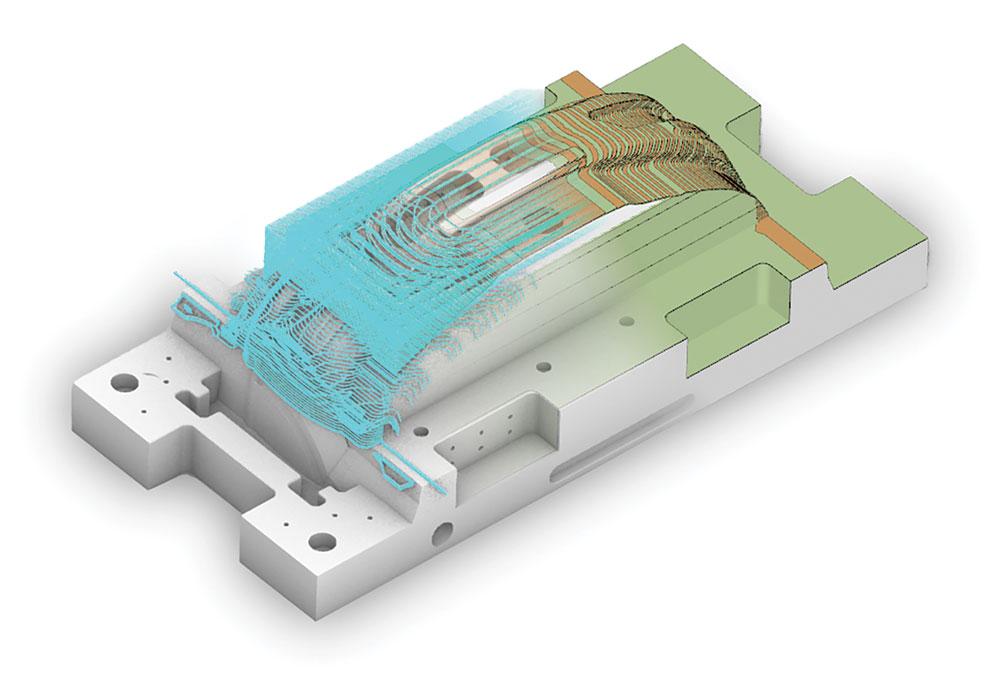
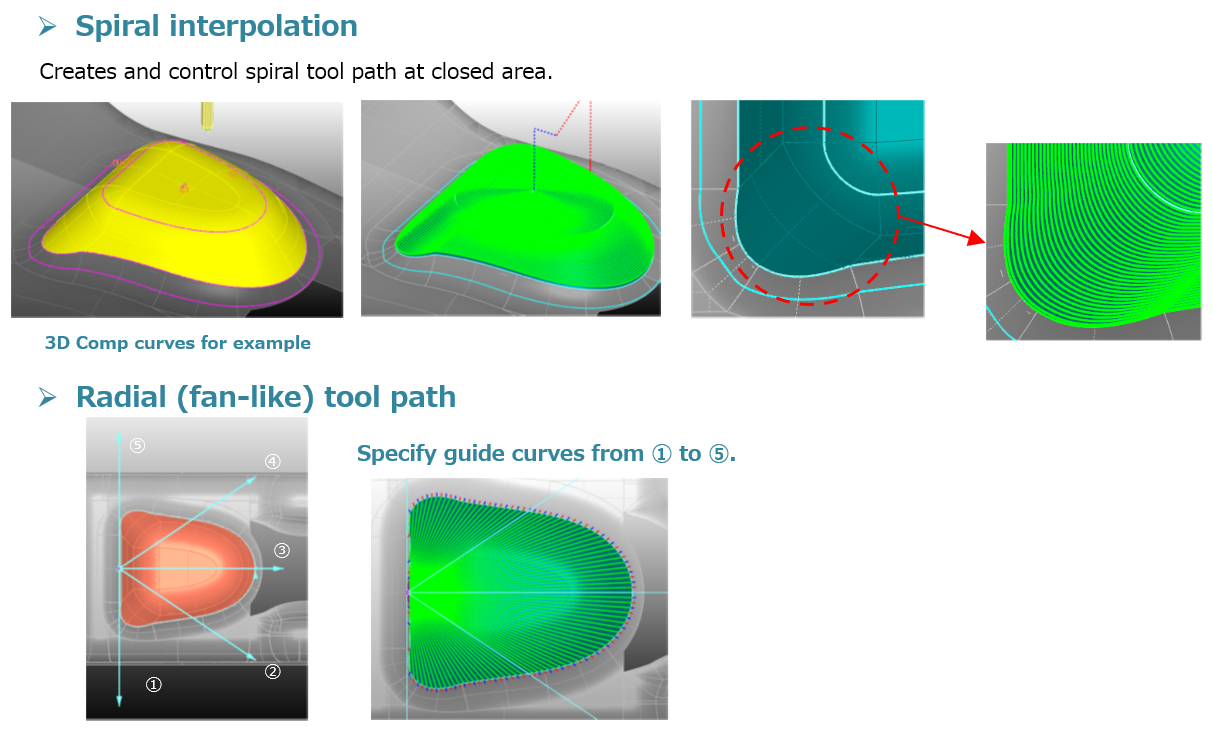
In modern CNC machining, toolpaths are generated using vector-based CAM software.
Vector toolpaths define the direction and movement of the cutting tool relative to the workpiece.
Common Toolpath Strategies
- contour machining
- pocket milling
- adaptive clearing
- high-speed machining
These strategies optimize tool movement and reduce machining time while maintaining precision.
Advanced CAM software uses mathematical vector calculations to generate efficient machining paths.
Quality Control in CNC Machining
Precision manufacturing requires strict quality control procedures.
CNC machining facilities often use advanced inspection technologies such as:
- CMM (Coordinate Measuring Machines)
- laser measurement systems
- digital inspection tools
Quality control ensures that every manufactured part meets required tolerances and specifications.
Production monitoring systems also record machining parameters and inspection results.
Automation and Industry 4.0 in CNC Manufacturing
4
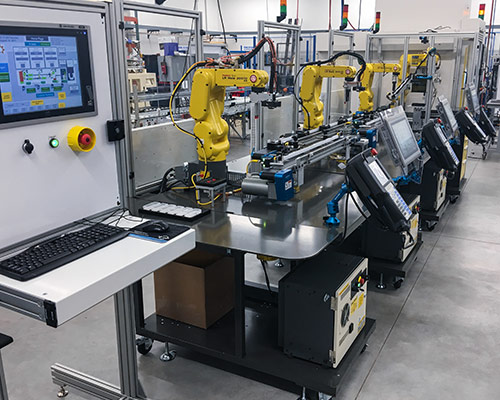
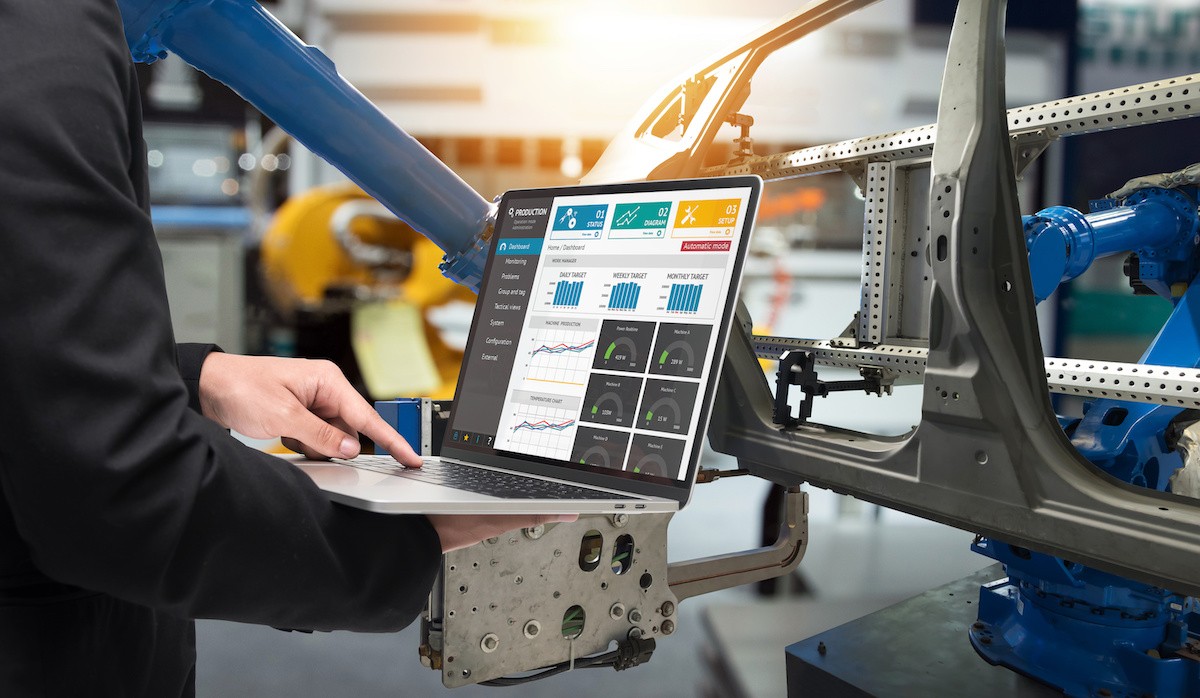
Modern CNC manufacturing is increasingly integrated with Industry 4.0 technologies.
Smart factories use digital systems to monitor machining operations in real time.
These systems include:
- MES production monitoring
- machine data collection
- predictive maintenance algorithms
- automated production control
Automation engineering companies such as ASPAVA Makina contribute to modern manufacturing infrastructures by supporting industrial automation and advanced production systems.
Advantages of CNC Milling and Turning
CNC machining offers many benefits for modern manufacturers.
High Precision
CNC machines can achieve extremely tight tolerances.
Repeatability
Once a machining program is created, identical parts can be produced repeatedly.
Automation
Automated machining reduces human error.
Complex Geometry Production
Multi-axis CNC machines can produce intricate shapes.
Increased Productivity
Automated processes increase manufacturing efficiency.
SEO Keywords for CNC Milling and Turning
To improve search engine visibility, the following keywords are commonly used in CNC manufacturing content:
- CNC milling machine
- CNC turning process
- precision CNC machining
- multi-axis CNC machining
- CNC programming guide
- CNC macro programming
- CNC toolpath strategies
- CNC machining services
- advanced CNC manufacturing
- industrial CNC machining
These keywords help improve search engine optimization for CNC manufacturing content.
Conclusion
CNC milling and turning are fundamental technologies in modern manufacturing. By combining computer-controlled precision with advanced machining techniques, these processes enable manufacturers to produce complex parts with exceptional accuracy and efficiency.
Modern CNC machining systems integrate advanced programming techniques, vector toolpath strategies, and digital monitoring technologies to optimize production performance.
Companies involved in advanced manufacturing technologies, such as ASPAVA Makina, contribute to modern industrial ecosystems by supporting precision engineering solutions and innovative manufacturing systems.
As manufacturing technologies continue to evolve, CNC milling and turning will remain essential tools for producing high-performance industrial components.