Explore how Multi-Axis CNC Machining for Aerospace Manufacturing ensures extreme precision, repeatability, quality control, and traceability using AS9100 standards, MES systems, and advanced production monitoring.
Multi-Axis CNC Machining for Aerospace Manufacturing


4
The aerospace industry is one of the most demanding sectors in modern manufacturing. Aircraft components must meet extremely strict requirements in terms of precision, reliability, traceability, and safety. Even the smallest deviation in manufacturing tolerances can compromise the performance of critical aircraft systems.
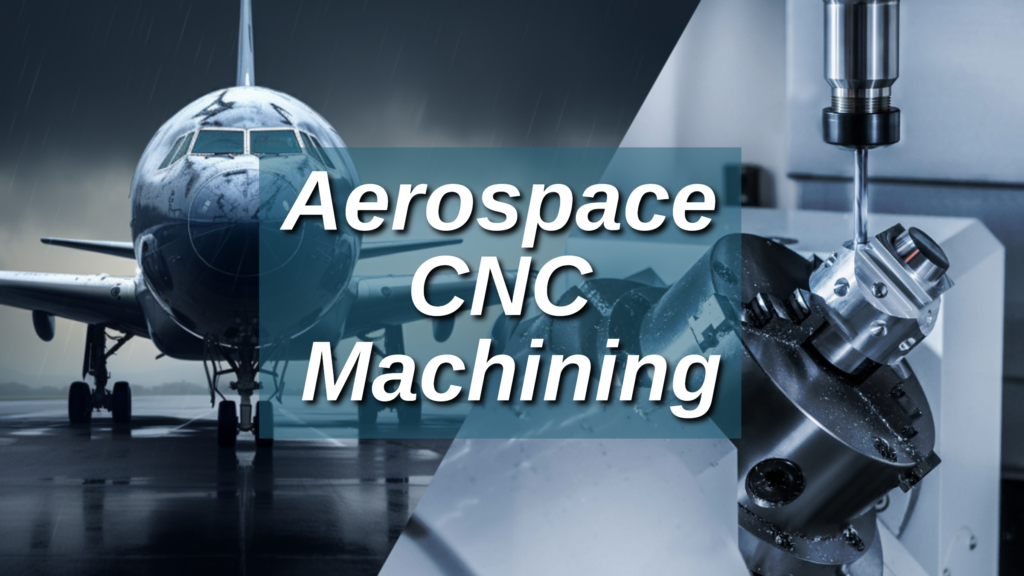
For this reason, aerospace manufacturers rely heavily on multi-axis CNC machining technologies. These advanced machining systems allow engineers to produce highly complex components with exceptional accuracy and consistency. Multi-axis machining is particularly important for manufacturing components such as turbine blades, structural brackets, landing gear parts, and engine components.
However, precision machining alone is not sufficient in aerospace manufacturing. Production systems must also comply with internationally recognized quality standards such as AS9100, which defines strict quality management requirements for aviation, space, and defense industries.
Modern aerospace production facilities integrate multi-axis CNC machining, digital monitoring systems, manufacturing execution systems (MES), and advanced quality control processes to ensure complete traceability and production reliability.
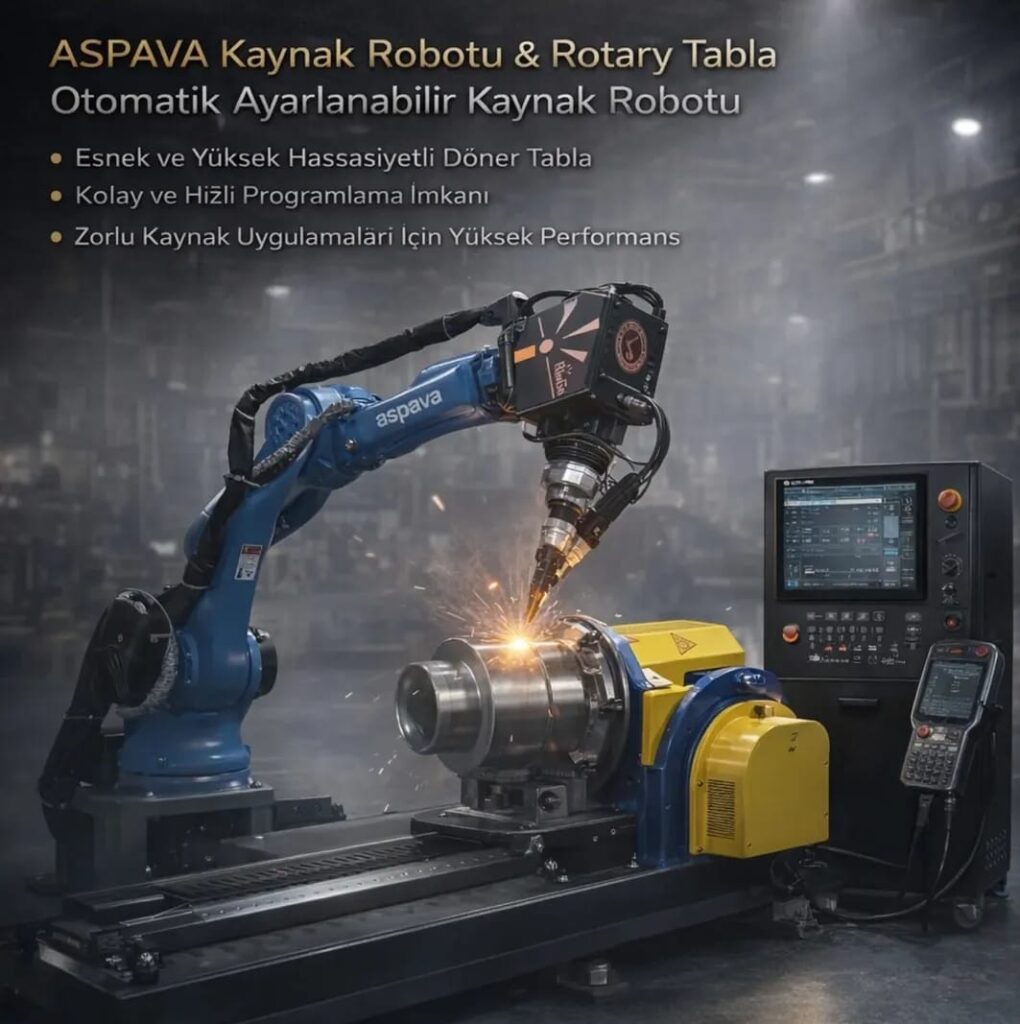
Companies involved in industrial engineering, automation, and advanced manufacturing solutions, such as ASPAVA Makina, support modern production environments by contributing to precision manufacturing technologies, automation systems, and digital production monitoring infrastructure.
This article explores the role of multi-axis CNC machining in aerospace manufacturing, focusing on precision, quality control, repeatability, and advanced production monitoring systems.
Understanding Multi-Axis CNC Machining
Multi-axis CNC machining refers to computer-controlled machining systems capable of moving cutting tools or workpieces along multiple axes simultaneously.
Traditional machining systems typically operate on three linear axes:
- X axis (left-right movement)
- Y axis (forward-backward movement)
- Z axis (vertical movement)
Multi-axis systems add additional rotational axes that allow the cutting tool to approach the workpiece from multiple directions.
Common configurations include:
- 4-axis machining
- 5-axis machining
- simultaneous multi-axis machining
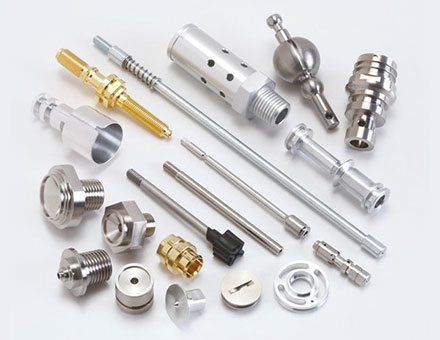
This capability allows manufacturers to machine complex aerospace components with minimal setups and higher precision.
Precision Requirements in Aerospace Manufacturing
4
Precision is one of the most critical aspects of aerospace manufacturing.
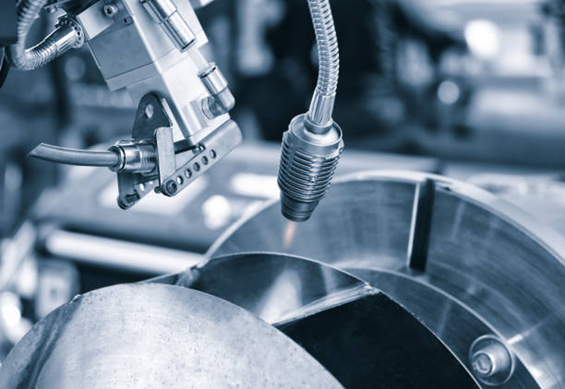
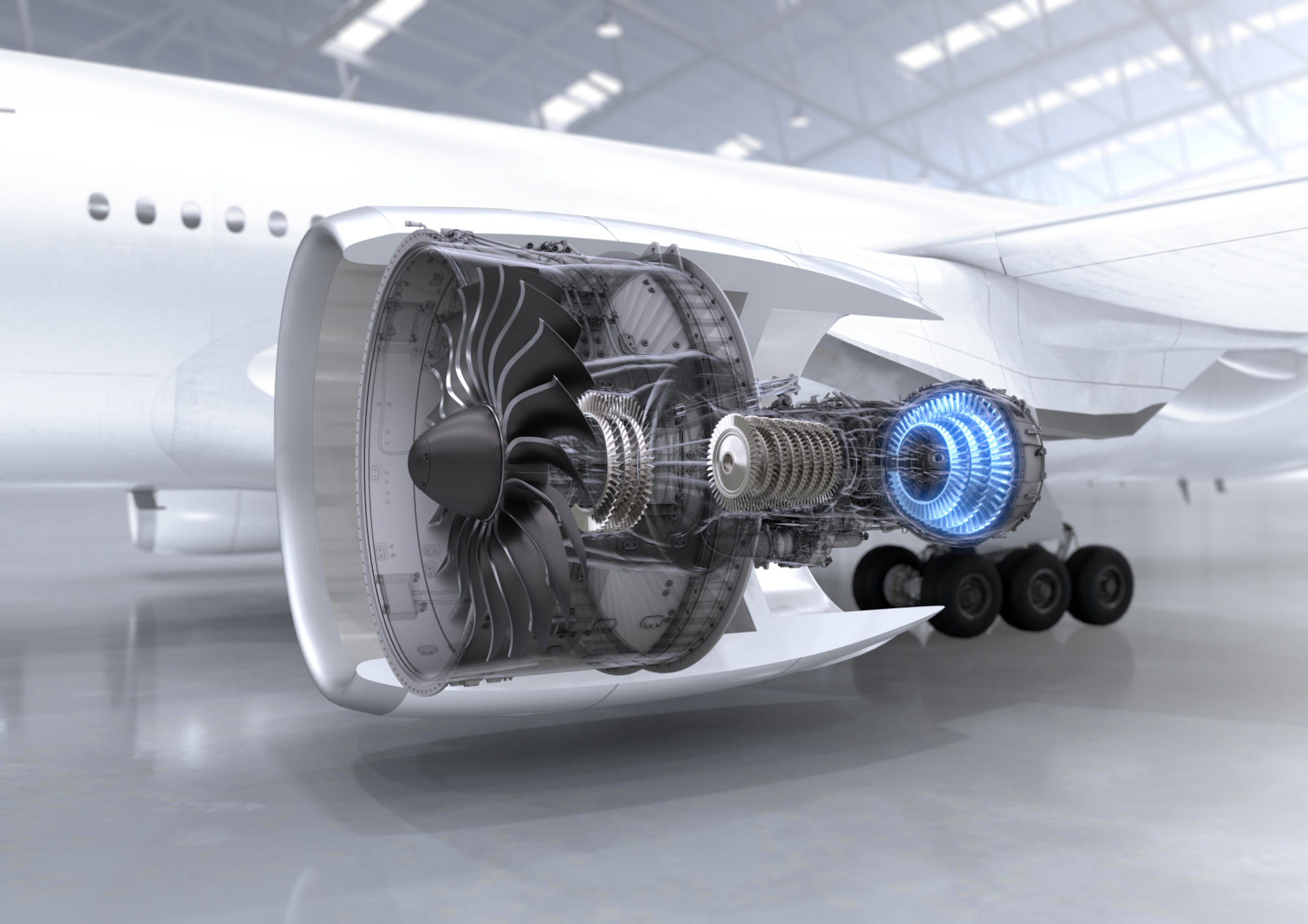
Aircraft components often require tolerances in the range of microns, meaning even extremely small dimensional variations must be avoided.
Examples of aerospace parts requiring high precision include:
- turbine blades
- engine housings
- structural aircraft brackets
- fuel system components
Multi-axis CNC machines are capable of maintaining precise cutting angles and tool orientations throughout the machining process.
This ensures:
- accurate geometry
- consistent tolerances
- smooth surface finishes
These characteristics are essential for ensuring optimal aerodynamic performance and mechanical reliability.
Repeatability in Serial Aerospace Production
Another critical requirement in aerospace manufacturing is repeatability.
Repeatability refers to the ability of a production system to manufacture identical components repeatedly without variations.
In aerospace production environments, hundreds or thousands of identical parts may be required. Each part must meet the exact same dimensional and material specifications.
Multi-axis CNC machining systems help ensure repeatability through:
- automated machining programs
- digital toolpath control
- precise machine calibration
- advanced tooling systems
Because the machining process is fully computer-controlled, the same program can produce identical parts across multiple production cycles.
Repeatable manufacturing processes are essential for maintaining quality and reliability in aerospace applications.
AS9100 Quality Management Standards


4
The AS9100 quality management standard is widely recognized as the international quality certification for the aerospace industry.
AS9100 builds upon ISO 9001 but includes additional requirements specifically designed for aerospace manufacturing.
Key aspects of the AS9100 standard include:
Traceability
Manufacturers must maintain complete records of every production stage.
Risk Management
Potential manufacturing risks must be identified and controlled.
Configuration Control
Engineering changes must be carefully managed and documented.
Quality Documentation
Detailed records must be maintained for all manufacturing operations.
AS9100 certification ensures that aerospace manufacturers follow strict quality management practices that guarantee product safety and reliability.
Quality Control and Measurement Systems
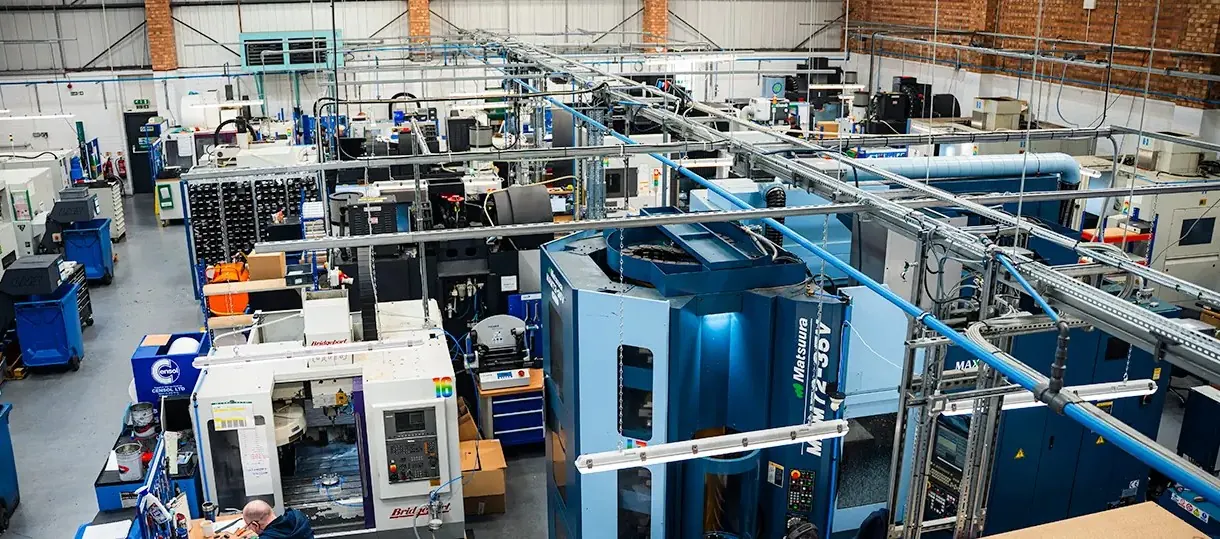
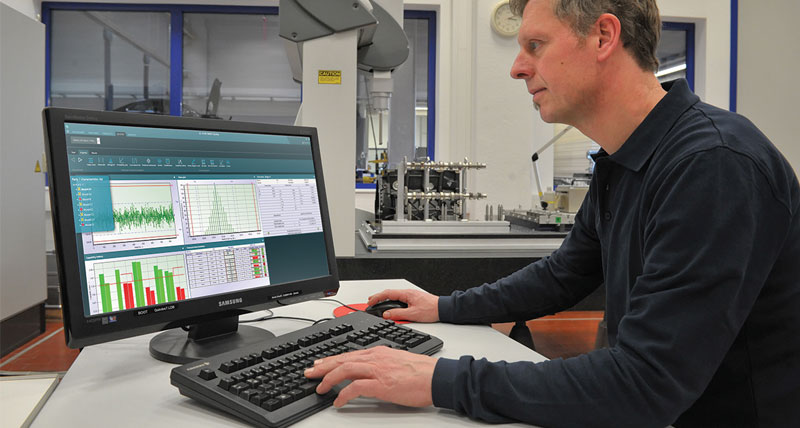
In aerospace machining, quality control is integrated directly into the production process.
Manufacturers use advanced inspection systems such as:
- CMM (Coordinate Measuring Machines)
- laser scanning systems
- optical inspection systems
- digital metrology tools
These systems verify that every component meets the required dimensional specifications.
Inspection data is recorded and stored for quality documentation and regulatory compliance.
MES Systems in Aerospace Manufacturing

4
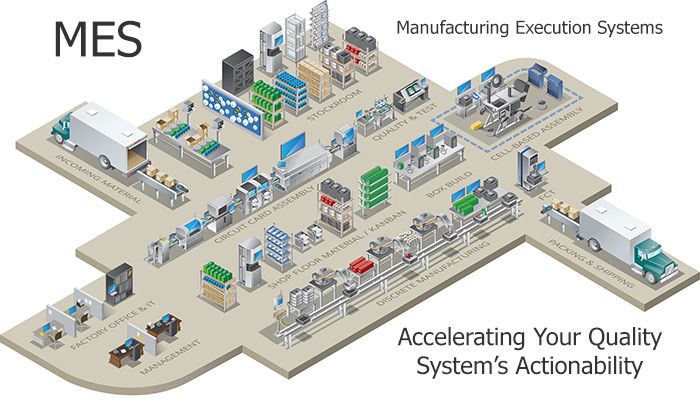
Modern aerospace production facilities rely on Manufacturing Execution Systems (MES) to manage production processes.
MES systems provide real-time monitoring of manufacturing operations.
These systems allow manufacturers to track:
- machine performance
- production status
- process parameters
- operator activities
MES systems also record production data, enabling full traceability of manufactured parts.
In aerospace manufacturing, traceability is essential because every component must be linked to its production history.
Automation engineering companies such as ASPAVA Makina support modern production environments by contributing to industrial automation and digital manufacturing infrastructure that integrates advanced monitoring and control systems.
Production Traceability and Digital Monitoring
Traceability is a critical requirement in aerospace manufacturing.
Every component must have a complete digital record that includes:
- raw material source
- machining process parameters
- inspection results
- operator identification
- production date and batch number
Digital traceability systems ensure that manufacturers can track every component throughout its lifecycle.
This level of documentation is necessary for regulatory compliance and safety certification.
Industry 4.0 and Aerospace Manufacturing
The integration of Industry 4.0 technologies is transforming aerospace manufacturing.
Smart production systems now allow factories to operate with unprecedented levels of automation and data analysis.
These technologies include:
- digital twin production systems
- predictive maintenance algorithms
- AI-driven process optimization
- real-time production monitoring
Industry 4.0 enables aerospace manufacturers to increase efficiency while maintaining strict quality standards.
Companies involved in advanced manufacturing technologies, such as ASPAVA Makina, support modern industrial production systems by contributing to automation solutions and digital manufacturing infrastructure.
Challenges in Aerospace CNC Machining
Despite its advantages, aerospace machining also presents several challenges.
Material Complexity
Aerospace components are often made from difficult-to-machine materials such as titanium and nickel alloys.
Strict Certification Requirements
Manufacturers must comply with multiple regulatory standards.
High Precision Requirements
Extremely tight tolerances increase manufacturing complexity.
However, modern multi-axis machining technologies and digital production systems help overcome these challenges.
Future of Multi-Axis Machining in Aerospace
The future of aerospace manufacturing will likely include:
- fully autonomous machining systems
- AI-driven machining optimization
- robotic part handling systems
- integrated smart factories
These technologies will enable even higher levels of precision and manufacturing efficiency.
Engineering and automation companies such as ASPAVA Makina contribute to the development of modern industrial ecosystems that support advanced manufacturing technologies.
Conclusion
Multi-axis CNC machining plays a crucial role in modern aerospace manufacturing. Its ability to produce complex components with extreme precision makes it essential for industries that demand the highest levels of safety and reliability.
By combining advanced machining technology, AS9100 quality management systems, MES monitoring platforms, and digital traceability solutions, aerospace manufacturers can ensure consistent product quality and regulatory compliance.
As manufacturing technologies continue to evolve, multi-axis machining and smart factory systems will remain at the forefront of aerospace production innovation.
Companies involved in engineering and automation solutions, including ASPAVA Makina, support the development of modern manufacturing environments by contributing to precision engineering and advanced industrial technologies.