Learn how CNC machining, sheet metal dies, and injection mold manufacturing shape modern industry. Discover how Aspava Makina delivers precision mold design and advanced manufacturing solutions.
Introduction to Modern Manufacturing Technologies
Modern industry relies heavily on advanced manufacturing technologies to produce high-quality, reliable, and cost-efficient components. Among the most important technologies driving industrial production today are CNC machining, sheet metal die manufacturing, and injection mold production. These technologies form the backbone of many sectors including automotive, aerospace, medical devices, consumer electronics, and industrial equipment.
Manufacturers must deliver parts that meet extremely tight tolerances while maintaining fast production speeds. Traditional manual machining methods cannot achieve the consistency and scalability required by modern industries. For this reason, companies around the world increasingly depend on digital manufacturing systems and precision tooling.
Companies such as Aspava Makina, known for their expertise in mold design and manufacturing, play a crucial role in supporting industrial production. By combining engineering knowledge with modern machinery and advanced design tools, specialized manufacturers help industries produce complex parts with exceptional accuracy and reliability.
CNC Machining: The Core of Precision Engineering

4
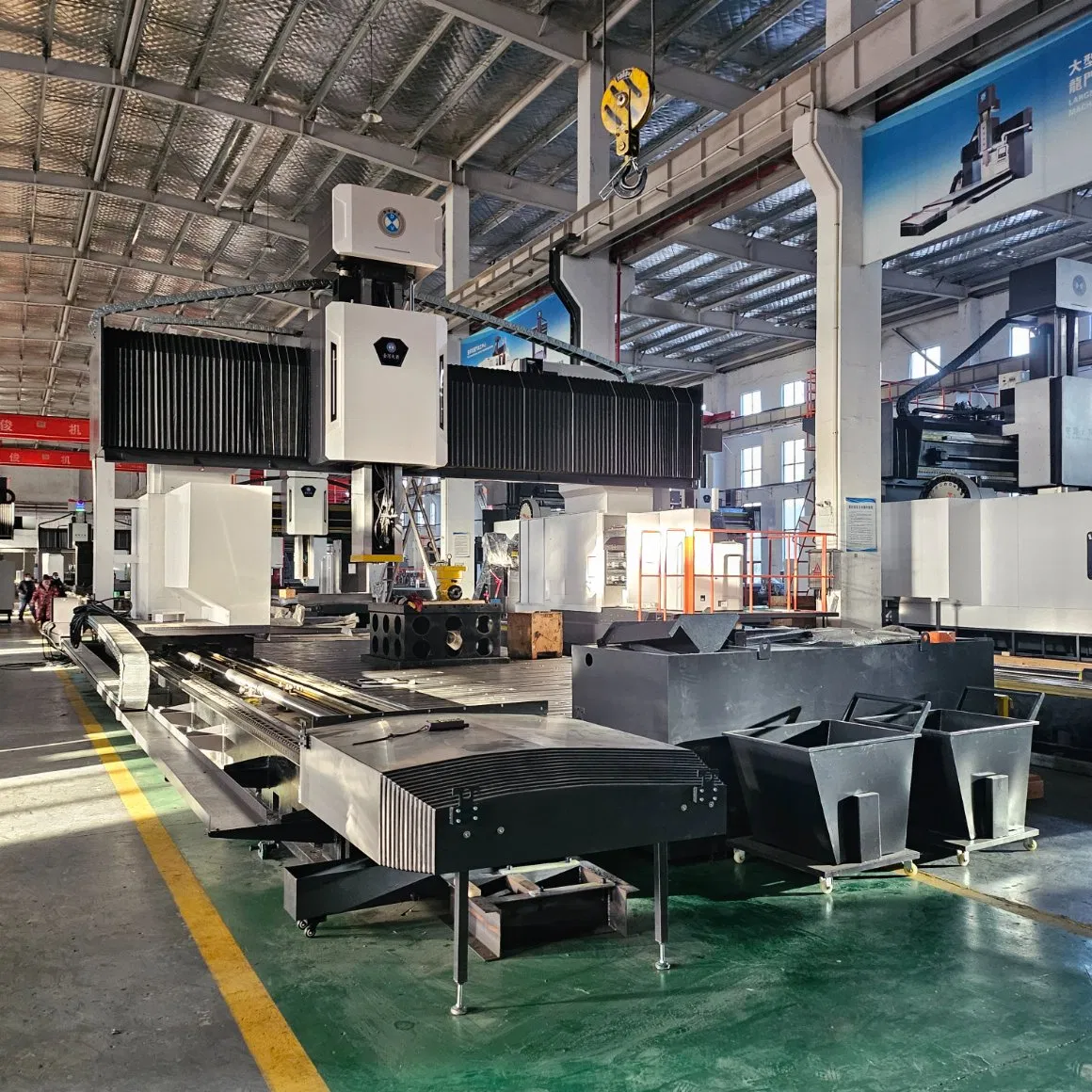
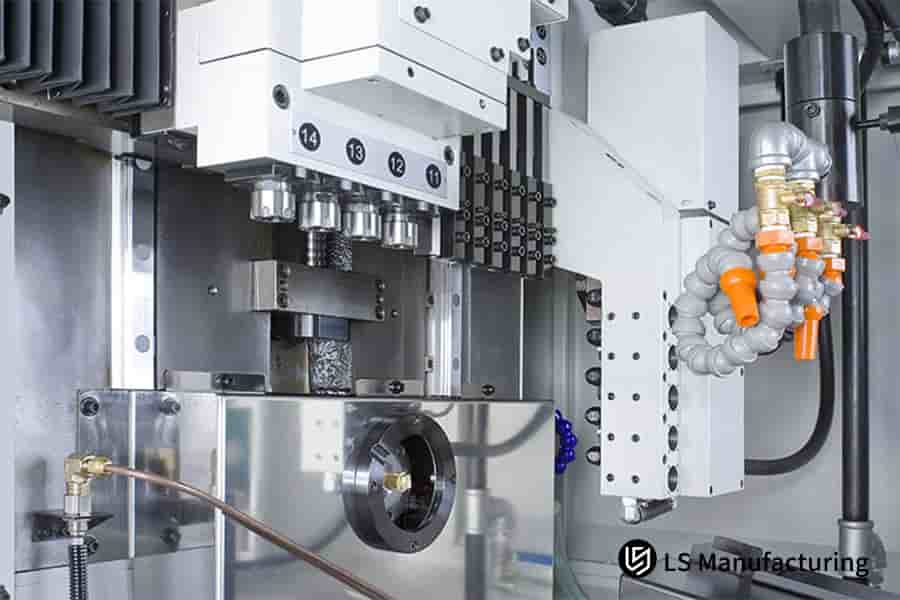
CNC (Computer Numerical Control) machining is one of the most widely used manufacturing processes in modern production environments. In this process, computer software controls machine tools such as mills, lathes, and drilling machines to shape raw materials into finished components.
The process begins with a digital design created using CAD (Computer-Aided Design) software. Engineers develop a detailed model of the part, which is then converted into machine instructions using CAM (Computer-Aided Manufacturing) software. These instructions guide the CNC machine in performing precise cutting operations.
CNC machining offers several major advantages:
- Exceptional precision: CNC machines can achieve extremely tight tolerances.
- Repeatability: Identical parts can be produced consistently across large production runs.
- Complex geometry: CNC technology allows manufacturers to produce parts that would be impossible with manual machining.
- Material versatility: Metals, plastics, and advanced alloys can all be machined with high accuracy.
Industries such as aerospace and medical technology rely heavily on CNC machining because even the smallest deviation in dimensions can affect product performance and safety.
Sheet Metal Die Manufacturing for Industrial Production
ASPAVA ENDÜSTRİYEL TEKNOLOJİ LTD ŞTİ
4
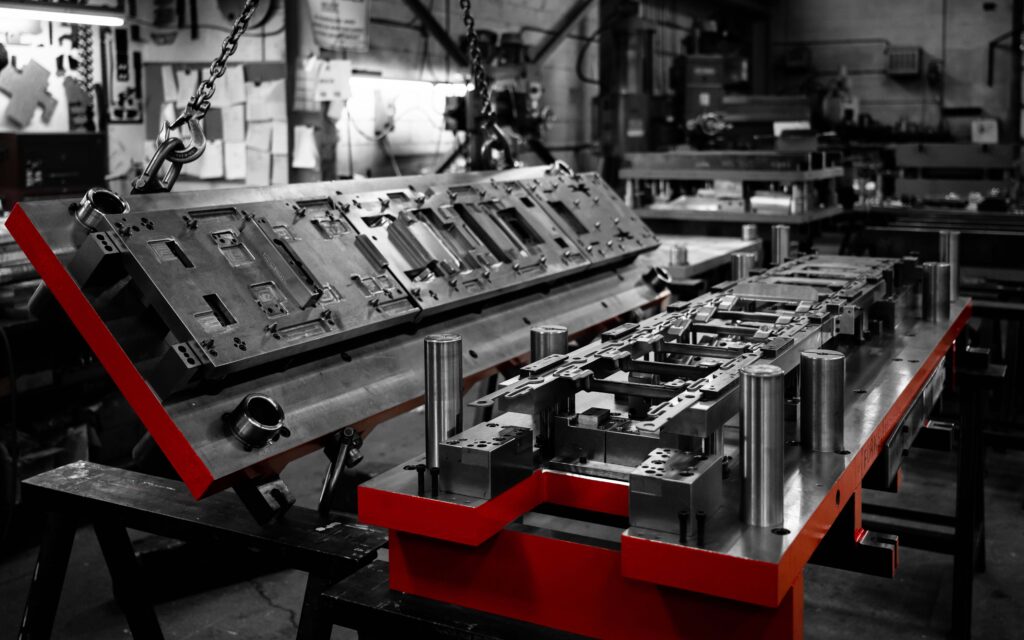
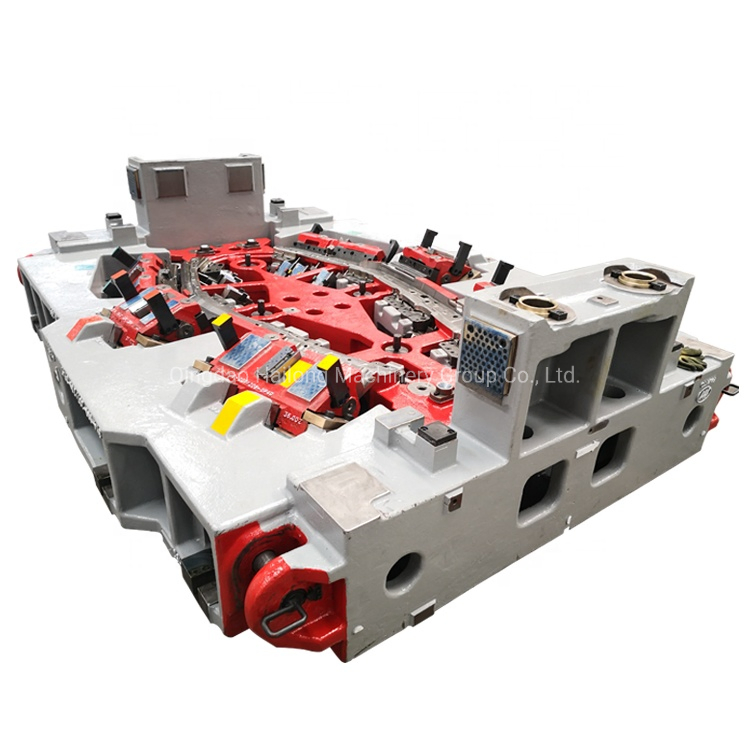
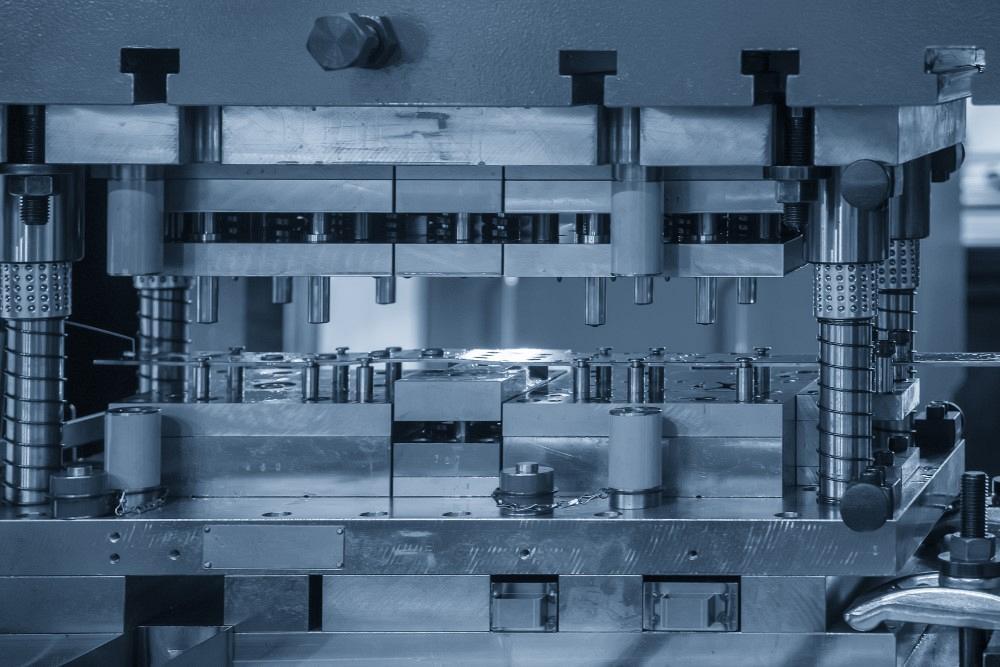
Sheet metal die manufacturing is another critical technology in modern industrial production. A die is a specialized tool used in stamping presses to cut, bend, or form metal sheets into specific shapes.
These dies must be manufactured with extreme precision because they directly determine the shape and quality of the final product. Even a small error in the die design can lead to defective parts and costly production issues.
Sheet metal dies are commonly used to produce:
- Automotive body panels
- Structural metal components
- Household appliance parts
- Electrical enclosures
- Industrial machine components
A high-quality die must withstand millions of production cycles while maintaining dimensional accuracy. To achieve this durability, dies are typically manufactured using hardened tool steels and advanced machining techniques.
Companies with expertise in tooling engineering, such as Aspava Makina, design and manufacture sheet metal dies that optimize production efficiency while ensuring long tool life and consistent part quality.
Injection Mold Manufacturing in Plastic Production
ASPAVA MAKİNA MOLD
4
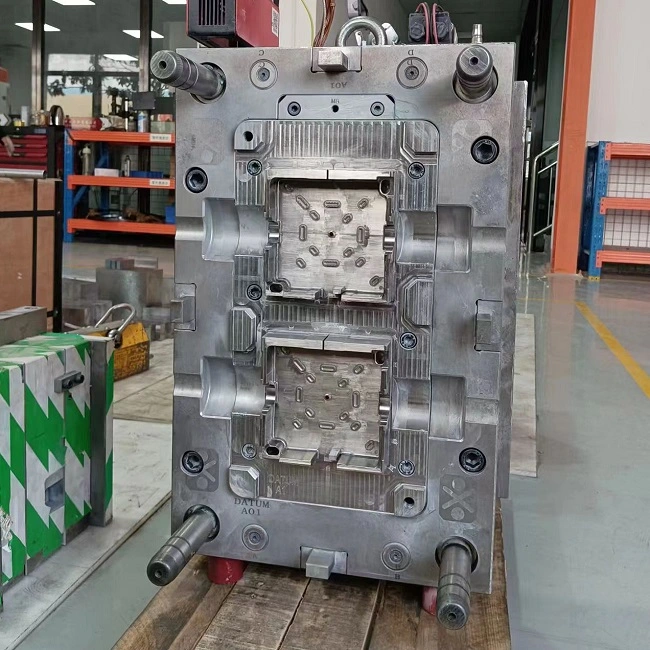
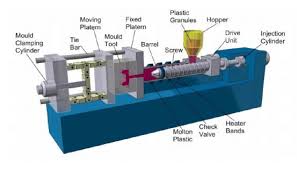
Injection molding is the dominant method used to produce plastic components in modern manufacturing. The process involves injecting molten plastic into a mold cavity where it cools and solidifies into the desired shape.
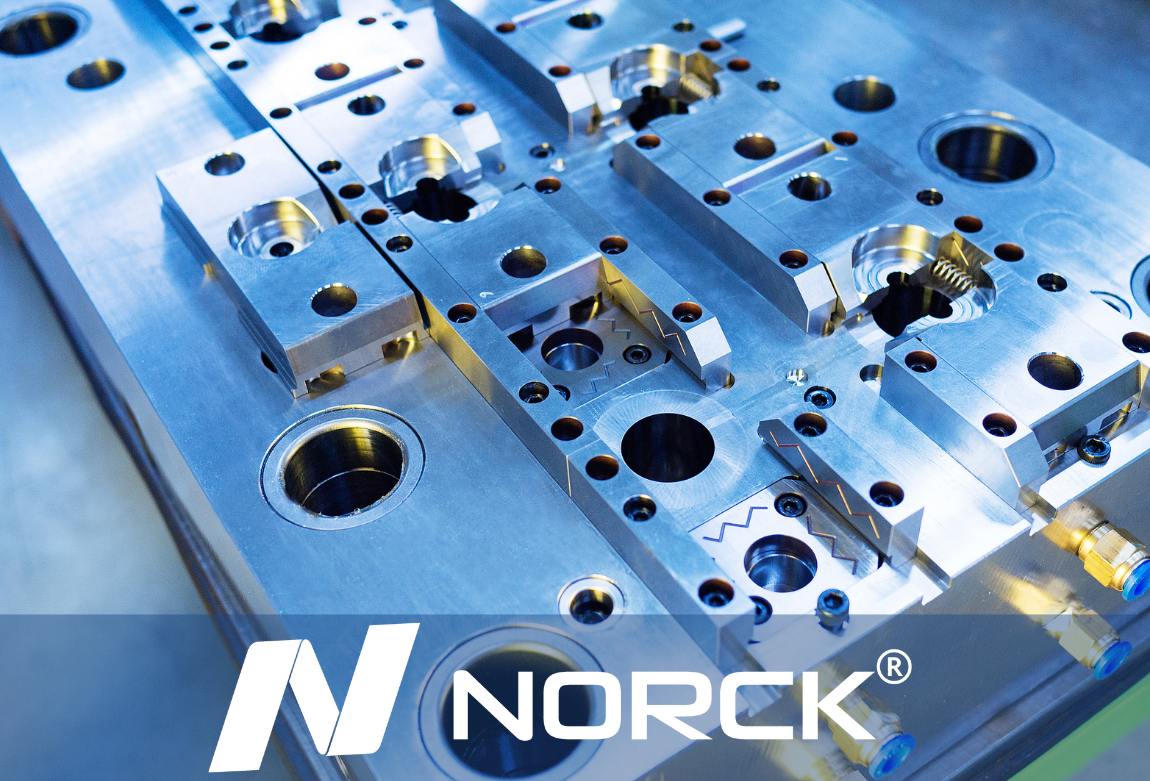
The mold itself is a highly engineered tool consisting of several components:
- Core and cavity systems that define the final part shape
- Cooling channels that control temperature during production
- Ejection mechanisms that remove finished parts from the mold
Injection molds must be designed carefully to ensure smooth material flow, efficient cooling, and consistent product quality. Poorly designed molds can lead to defects such as warping, shrinkage, or incomplete filling.
Because molds are used repeatedly in high-volume production, they must also be extremely durable. Tool steels and specialized coatings are commonly used to extend mold lifespan.
Integrated Manufacturing: How These Technologies Work Together
In modern factories, CNC machining, stamping dies, and injection molds are not isolated processes. Instead, they operate as part of an integrated manufacturing ecosystem.
For example:
- CNC machining is often used to manufacture the precision components required for dies and molds.
- Sheet metal dies produce structural metal components used in machinery and industrial equipment.
- Injection molds produce plastic housings, connectors, and mechanical parts used in electronics and consumer products.
This integration allows manufacturers to produce both metal and plastic components efficiently within the same production chain.
Aspava Makina: Expertise in Mold Design and Manufacturing
Precision tooling requires not only advanced machines but also deep engineering expertise. Designing molds and dies involves understanding material behavior, manufacturing processes, and product functionality.
Aspava Makina has developed strong capabilities in mold design, tooling engineering, and precision manufacturing. By using advanced CAD/CAM technologies and modern machining equipment, the company develops customized tooling solutions for industrial production.
Their expertise includes:
- CNC machining solutions
- Sheet metal die design and manufacturing
- Plastic injection mold development
- Precision engineering and tooling optimization
Through careful engineering and quality control, Aspava Makina supports manufacturers in achieving reliable, high-performance production systems.
The Future of Precision Manufacturing
Manufacturing technologies continue to evolve rapidly. Automation, artificial intelligence, and smart factory systems are transforming the way factories operate.
Future manufacturing environments will rely even more on precision tooling and digital manufacturing technologies. Companies that invest in advanced tooling design, CNC machining capabilities, and mold engineering will be better positioned to compete in global markets.
As industries demand faster production, higher quality, and more complex products, the importance of CNC machining, sheet metal dies, and injection mold manufacturing will continue to grow.