
4
In mold and die manufacturing, precision is important—but surface quality is equally critical. The surface finish of a mold cavity directly influences how a material behaves during production and how the final product looks and performs.
Whether producing plastic parts, metal components, or complex industrial products, the mold surface must be extremely smooth and accurate. Even small imperfections on the mold surface can transfer directly to the finished product.
This raises an important engineering question:
Why does mold surface quality matter so much in industrial manufacturing?
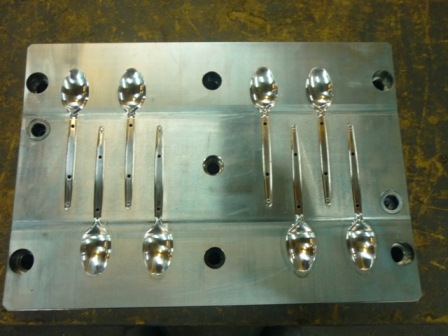
The answer lies in the direct relationship between the mold surface and the final part produced. Every detail on the mold surface is replicated during the manufacturing process. If the mold has scratches, uneven finishing, or microscopic defects, these imperfections may appear on the final component.
How Does Surface Finish Affect Product Quality?
Surface finish is not only about appearance. It also affects material flow, product durability, and manufacturing efficiency.
Consider the following question:
What happens when a mold surface is poorly finished?
Several production problems can occur:
- plastic materials may not flow evenly inside injection molds
- metal parts may stick to forming dies
- visible surface defects may appear on final products
- additional polishing or post-processing may be required
For industries that require high-quality visual finishes—such as automotive interiors or consumer electronics—surface imperfections are unacceptable.
A well-finished mold surface ensures that materials move smoothly during production and that finished parts have a clean and professional appearance.
Industries Where Surface Quality is Critical
Certain industries require extremely high levels of surface quality due to both functional and aesthetic requirements.
Automotive Components
Interior automotive parts such as dashboards, control panels, and trim components require high-quality surfaces. Customers expect these parts to have smooth textures and consistent visual appearance.
Medical Devices
Medical equipment components must meet strict regulatory standards. Surface quality is important not only for appearance but also for hygiene, safety, and sterilization requirements.
Consumer Electronics
Products such as smartphones, laptops, and home electronics demand flawless plastic or metal surfaces. Even small visual defects can affect product perception and brand value.
Plastic Packaging
Packaging products must maintain uniform shapes and smooth surfaces to ensure proper sealing, labeling, and visual presentation.
In all these industries, the quality of the mold surface directly influences the quality of the final product.
How CNC Machining Achieves High Surface Quality
Achieving high-quality surface finishes requires advanced machining strategies and precise tooling techniques.
This leads to an important technical question:
How do manufacturers create extremely smooth mold surfaces?
The answer lies in precision CNC machining and advanced finishing operations.
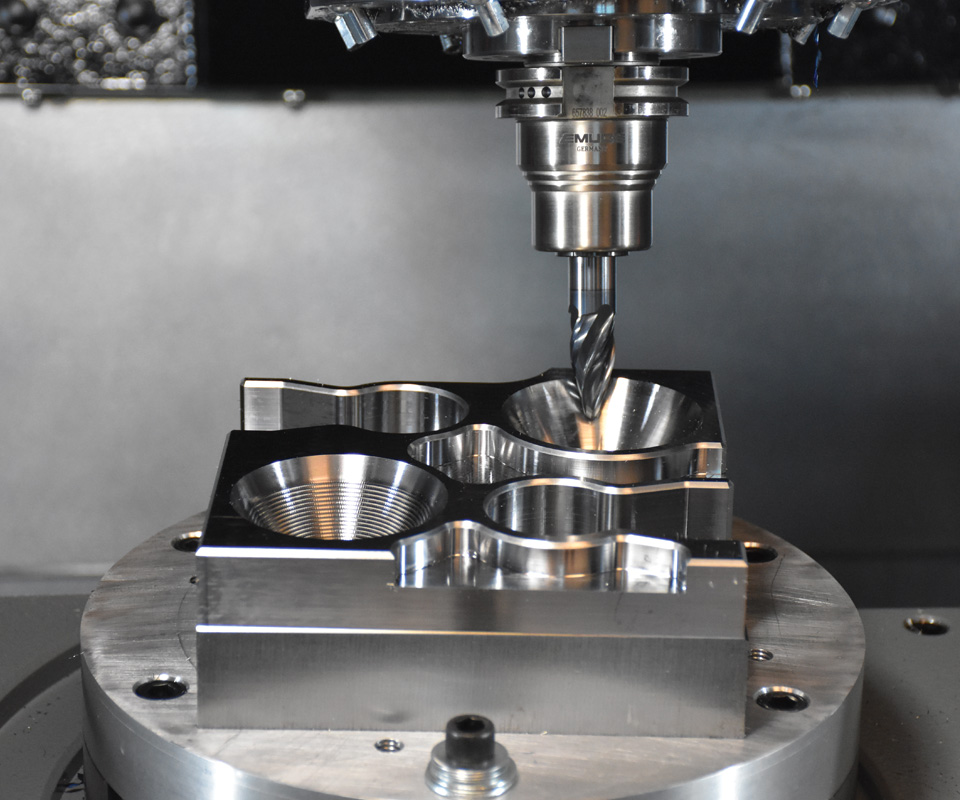
Modern machining centers use high-speed milling strategies that remove material gradually while maintaining very fine cutting paths. These strategies allow engineers to produce extremely smooth surfaces directly during the machining process.
Key machining techniques include:
- High-speed CNC milling for fine surface generation
- Precision finishing toolpaths that reduce tool marks
- Multi-axis machining for complex curved surfaces
- Micro-step finishing passes for improved surface smoothness
These advanced machining methods significantly reduce the need for manual polishing and secondary finishing operations.
Why Advanced Machining Strategies Matter
Surface finishing is not simply a final step in manufacturing—it must be considered during the entire mold design and machining process.
Engineers must carefully select:
- cutting tool types
- machining speeds and feeds
- toolpath strategies
- finishing tolerances
Optimizing these parameters allows manufacturers to produce molds that combine both dimensional precision and superior surface quality.
This approach not only improves product performance but also reduces production time and tooling costs.
Aspava Makina: Engineering Excellence in Precision Mold Finishing
Achieving high-quality mold surfaces requires more than advanced machines. It requires engineering expertise and a deep understanding of machining strategies.
Aspava Makina approaches mold manufacturing with an engineering-focused mindset. By combining advanced CNC machining technologies with precise finishing techniques, the company produces molds that meet the demanding quality standards of modern industries.
Aspava Makina’s expertise includes:
- precision mold cavity machining
- advanced surface finishing strategies for tooling
- optimized CNC machining parameters for mold production
- engineering-driven solutions that reduce polishing time and improve product quality
Through a combination of precision machining and experienced engineering design, Aspava Makina ensures that mold surfaces deliver both aesthetic quality and reliable manufacturing performance.
Conclusion
Surface quality is one of the most critical factors in mold and die manufacturing. The finish of a mold cavity directly affects material flow, product appearance, and production efficiency.
Modern CNC machining technologies allow engineers to achieve extremely smooth surfaces while maintaining precise dimensional control. By integrating advanced machining strategies with careful engineering design, manufacturers can produce molds that support high-quality industrial production.
With its expertise in precision machining, tooling design, and advanced mold manufacturing, Aspava Makina continues to provide high-performance tooling solutions that help manufacturers achieve superior product quality and production reliability.