Discover Custom CNC Machining Services for Industrial Parts, including precision manufacturing, quality control, advanced machining technologies, and ASPAVA’s strong production and quality infrastructure.
Custom CNC Machining Services for Industrial Parts

4
Modern industries demand components that meet extremely high standards of precision, durability, and reliability. From aerospace and automotive to energy systems and industrial machinery, manufacturers require custom-designed parts that can operate under demanding conditions.
This is where custom CNC machining services play a critical role in modern manufacturing. CNC machining allows engineers to produce complex industrial components with exceptional accuracy, ensuring that each part meets strict dimensional and performance requirements.
Custom machining services are particularly important for industries that require specialized components, prototype parts, or small-to-medium production runs. Through computer-controlled machining technologies, manufacturers can create parts with tight tolerances and consistent quality.
Companies with strong engineering and manufacturing capabilities, such as ASPAVA, support industrial production ecosystems by providing advanced machining services, modern manufacturing infrastructure, and high-quality engineering solutions.
In this article, we explore the importance of custom CNC machining services, the technologies used in precision machining, and how strong production and quality systems contribute to reliable industrial manufacturing.
Understanding Custom CNC Machining
Custom CNC machining refers to the production of components based on specific customer designs and engineering requirements. Unlike mass-produced standard components, custom-machined parts are tailored to meet the exact specifications of the client.
This process typically begins with a digital design model and continues through machining, inspection, and final quality verification.
Custom CNC machining is widely used for producing components such as:
- industrial machine parts
- aerospace structural components
- automotive engine parts
- hydraulic system components
- precision mechanical assemblies
The ability to produce custom components quickly and accurately makes CNC machining essential for modern industrial production.
Advanced Machining Technologies in Custom Manufacturing


4
Modern custom machining services rely on advanced machining technologies to achieve high precision and productivity.
These technologies include:
CNC Milling
CNC milling machines use rotating cutting tools to remove material from a workpiece. This process is suitable for producing complex surfaces, slots, and pockets.
CNC Turning
Turning machines rotate the workpiece while a cutting tool shapes cylindrical components such as shafts and threaded parts.
Multi-Axis Machining
Advanced 4-axis and 5-axis CNC machines allow cutting tools to approach the workpiece from multiple angles, enabling the production of highly complex parts.
Multi-axis machining significantly reduces production time and improves part accuracy.
Precision and Tolerance Control
One of the most critical aspects of custom CNC machining is maintaining precise dimensional tolerances.
Industrial components often require tolerances measured in microns, especially in sectors such as aerospace, medical manufacturing, and high-performance machinery.
Precision machining ensures:
- accurate component geometry
- smooth surface finishes
- consistent part quality
Advanced CNC machines use digital control systems and high-precision tooling to maintain these strict tolerances.
Strong Production Infrastructure

4
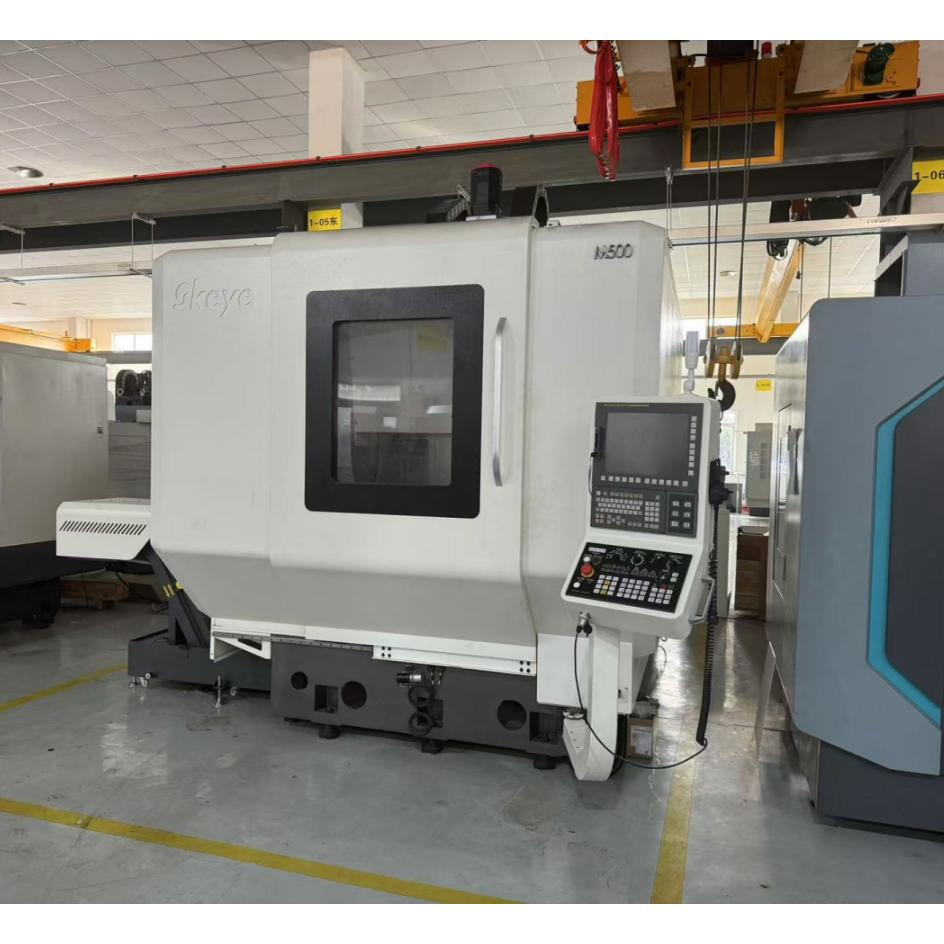
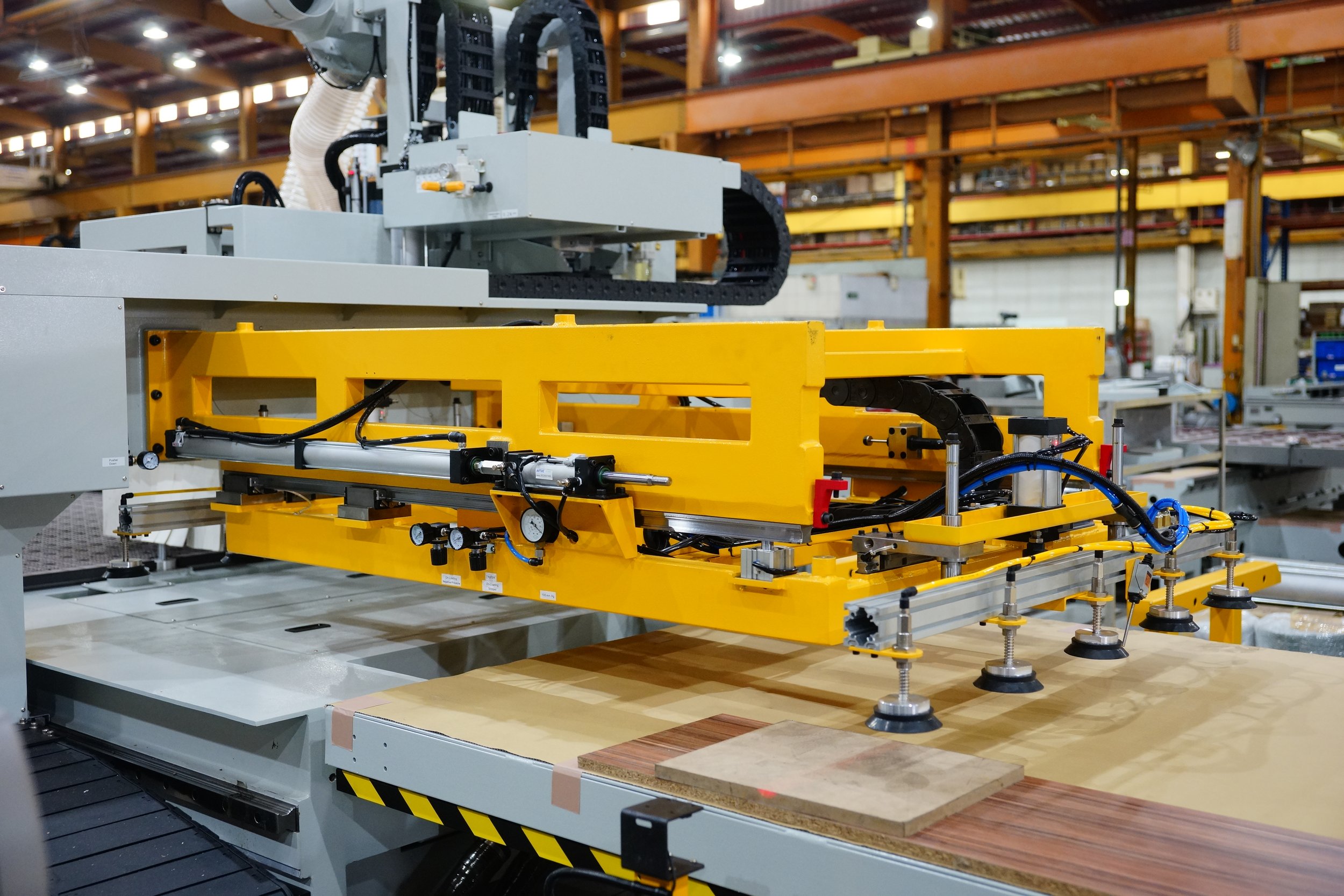
A reliable custom machining service depends on a strong production infrastructure. Modern machining facilities must integrate advanced machinery, skilled engineering teams, and digital manufacturing technologies.
Companies like ASPAVA operate with a strong manufacturing infrastructure that includes:
- advanced CNC machining centers
- precision measuring equipment
- skilled engineering teams
- digital production planning systems
This infrastructure allows manufacturers to produce complex industrial components efficiently and consistently.
Strong production capabilities also enable manufacturers to handle both prototype production and serial manufacturing.
Quality Control and Inspection Systems
Quality control is a critical element of custom CNC machining services.
Modern manufacturing facilities use advanced inspection technologies to verify the accuracy of machined components.
Common inspection methods include:
- Coordinate Measuring Machines (CMM)
- laser scanning systems
- optical measurement tools
- digital inspection software
These systems ensure that every component meets the required engineering specifications.
In addition to dimensional inspection, quality control processes may also include:
- material verification
- surface quality inspection
- functional testing
Maintaining strict quality standards ensures that industrial components perform reliably in real-world applications.
Production Repeatability and Process Control
In industrial manufacturing, repeatability is just as important as precision.
Repeatability refers to the ability to produce identical parts across multiple production cycles without variation.
CNC machining achieves high repeatability through:
- automated machining programs
- digital toolpath control
- machine calibration systems
- process monitoring technologies
This allows manufacturers to produce large quantities of identical components while maintaining consistent quality.
Strong process control systems ensure that production remains stable and predictable.
Engineering Expertise and Custom Solutions
Custom CNC machining often requires close collaboration between engineers and clients.
Engineering teams analyze product designs and recommend the most efficient manufacturing strategies.
Engineering expertise is essential for:
- optimizing machining processes
- selecting appropriate materials
- reducing production costs
- improving product performance
Companies with strong engineering teams, such as ASPAVA, help clients transform complex design concepts into high-quality industrial components.
Automation and Digital Manufacturing
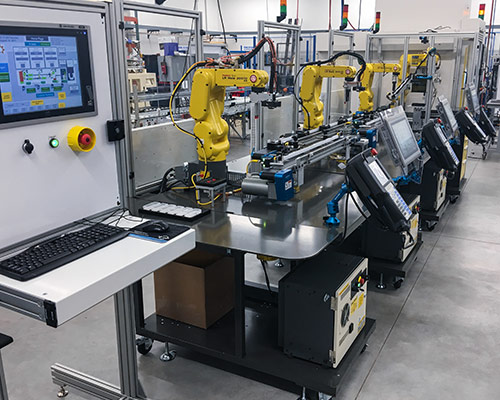

4
Modern CNC machining facilities are increasingly adopting digital manufacturing technologies.
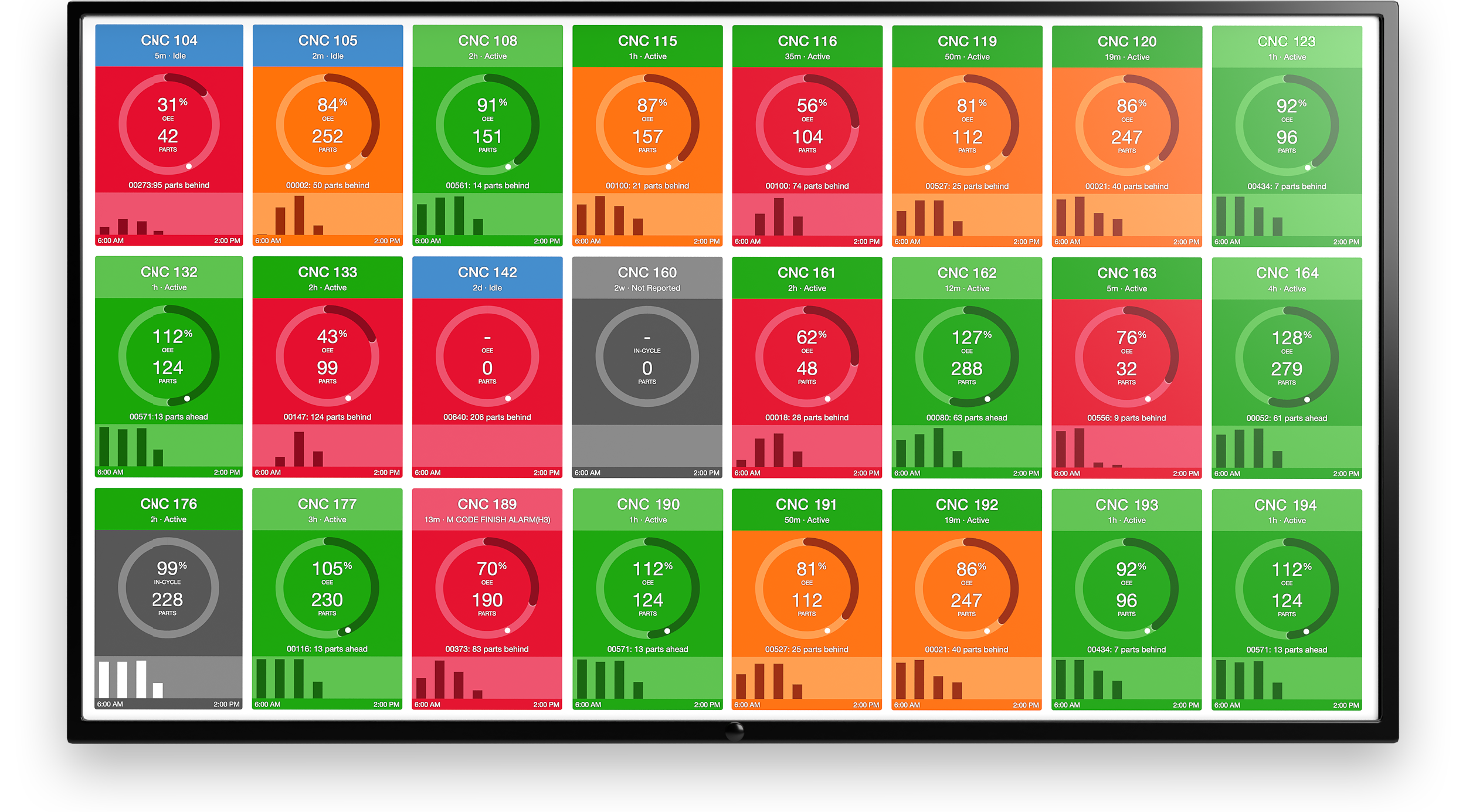
These technologies allow manufacturers to monitor and optimize production processes in real time.
Examples include:
- Manufacturing Execution Systems (MES)
- machine data monitoring systems
- predictive maintenance software
- automated production planning systems
Digital manufacturing improves production efficiency and reduces machine downtime.
Companies focused on industrial automation and engineering solutions, such as ASPAVA, contribute to modern manufacturing environments by supporting advanced production technologies and smart factory systems.
Industries That Use Custom CNC Machining
Custom CNC machining services support many industrial sectors.
Aerospace Industry
Aircraft components require extremely high precision and reliability.
Automotive Industry
Engine components and structural parts are commonly produced using CNC machining.
Energy Sector
Turbine components, valves, and heavy industrial parts require precision machining.
Industrial Machinery
Many mechanical assemblies and machine parts are produced using custom machining solutions.