4
In modern CNC machining, process stability and machining accuracy depend on several critical factors such as machine rigidity, cutting tools, machining strategy, and one often overlooked element: workholding.
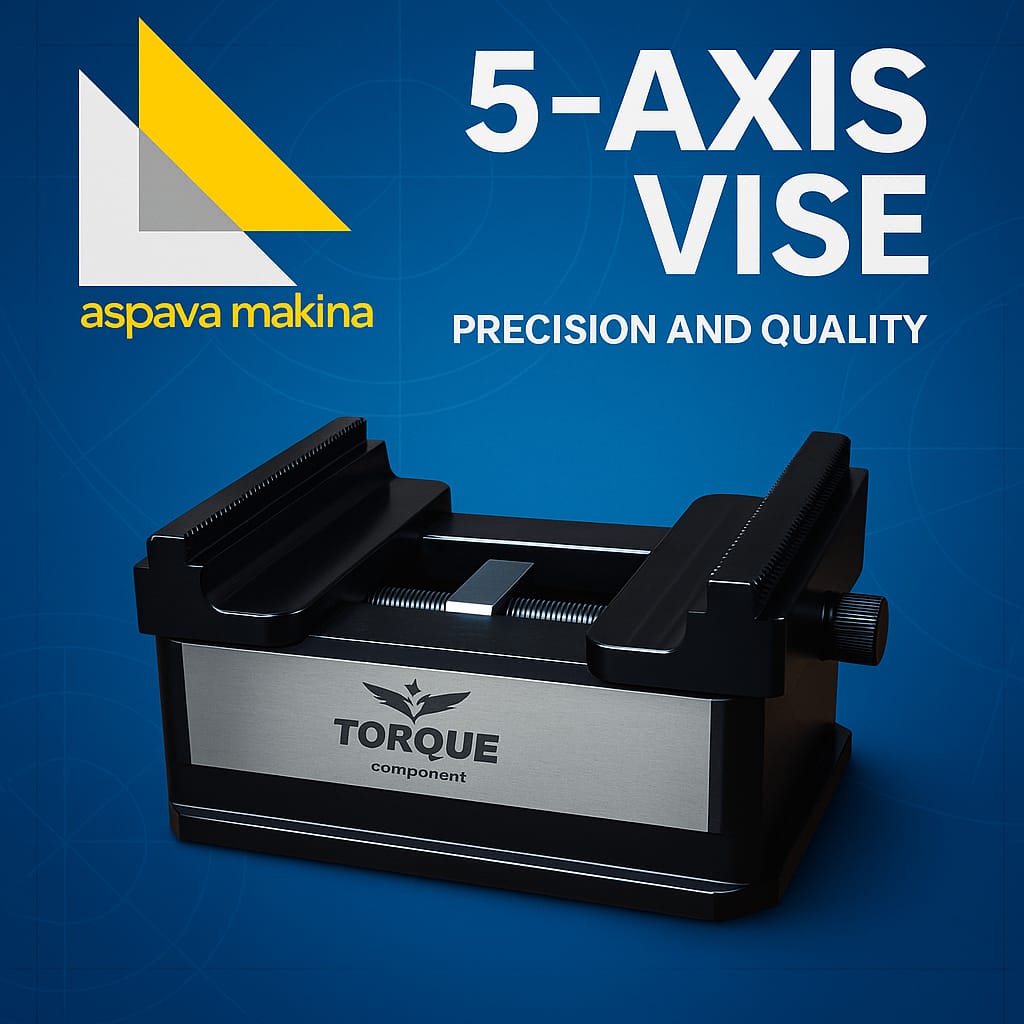
Workholding refers to the systems and methods used to securely hold and position a workpiece during machining operations. Without a reliable workholding solution, even the most advanced CNC machine cannot deliver consistent precision.
Industries such as aerospace, medical manufacturing, mold production, and high-precision engineering rely heavily on stable workholding systems to maintain dimensional accuracy and machining stability.
Why Workholding is Critical in CNC Machining
During machining, cutting tools generate strong forces that act on the workpiece. If the workpiece is not properly clamped, these forces can cause vibration, movement, or instability.
A professional workholding system must ensure:
- precise workpiece positioning
- strong clamping force
- minimal vibration during machining
- repeatable positioning accuracy
- maximum tool accessibility
Without stable clamping, machining problems can occur such as:
- dimensional inaccuracies
- poor surface finish
- tool wear
- unstable cutting conditions
This is why workholding engineering plays such a critical role in modern manufacturing.
CNC Vises – The Most Common Workholding Solution
One of the most widely used workholding systems in CNC machining is the CNC vise. These systems are designed to securely clamp parts during milling operations while maintaining precise positioning.
Modern CNC vises provide:
- strong clamping force
- repeatable positioning accuracy
- compact design for machining centers
- durable hardened steel construction
However, with the growing use of multi-axis CNC machining, traditional vises are no longer always sufficient.
5-Axis CNC Vises and Multi-Axis Machining
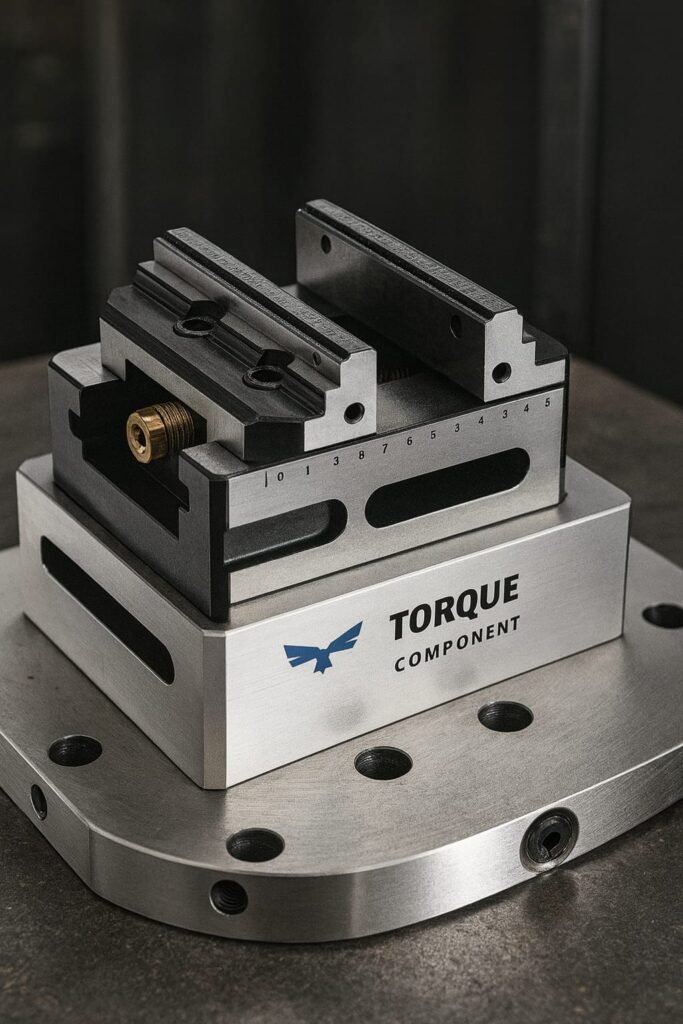
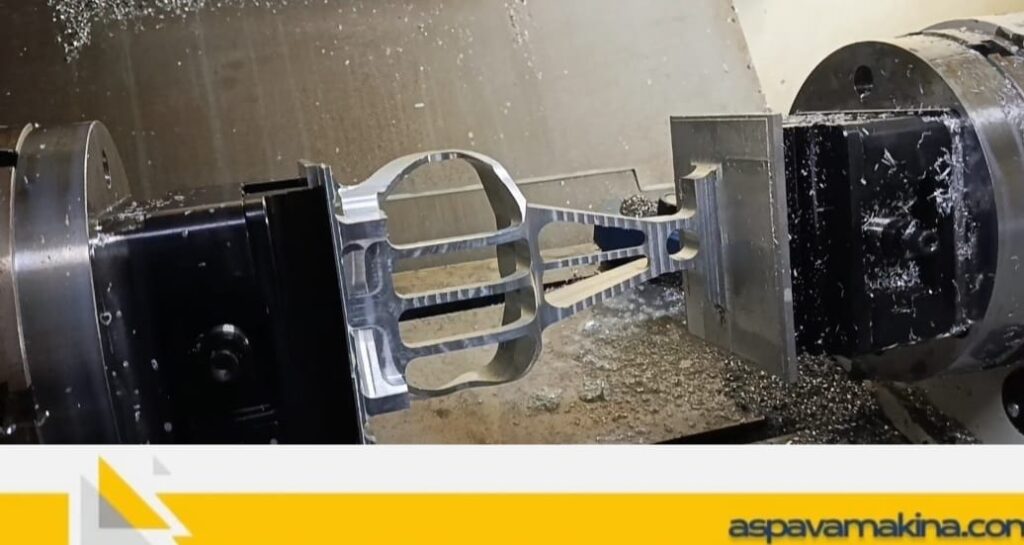
With the rise of 5-axis machining, workholding systems have evolved significantly. In multi-axis machining environments, tools approach the workpiece from multiple angles, which means the clamping system must provide maximum accessibility.
This is where 5-axis CNC vises become essential.
A 5-axis vise system typically offers:
- compact and low-profile design
- high clamping stability
- maximum tool accessibility
- minimal interference during machining
These characteristics allow manufacturers to machine complex components in a single setup, which improves both precision and efficiency.
Advanced 5-axis vise systems are widely used in industries such as aerospace machining, medical component manufacturing, and precision tooling.
Modern Workholding Engineering
Designing effective workholding solutions requires strong mechanical engineering knowledge and practical machining experience.
Engineers must consider:
- cutting forces
- workpiece geometry
- machine configuration
- tool access angles
- production efficiency
A well-designed workholding system improves machining performance, reduces vibration, and increases process stability.
Torque Component Workholding Solutions
Modern CNC production environments require advanced workholding systems designed specifically for precision machining.
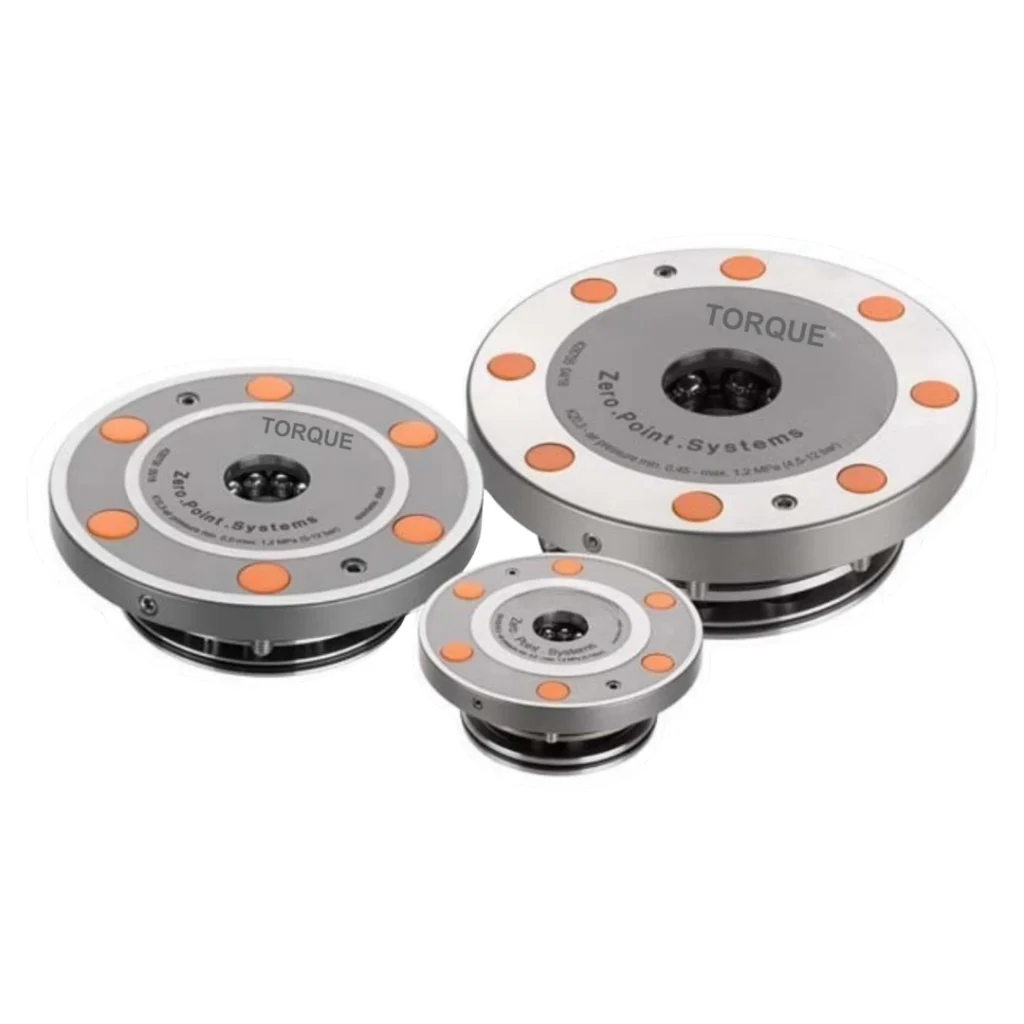
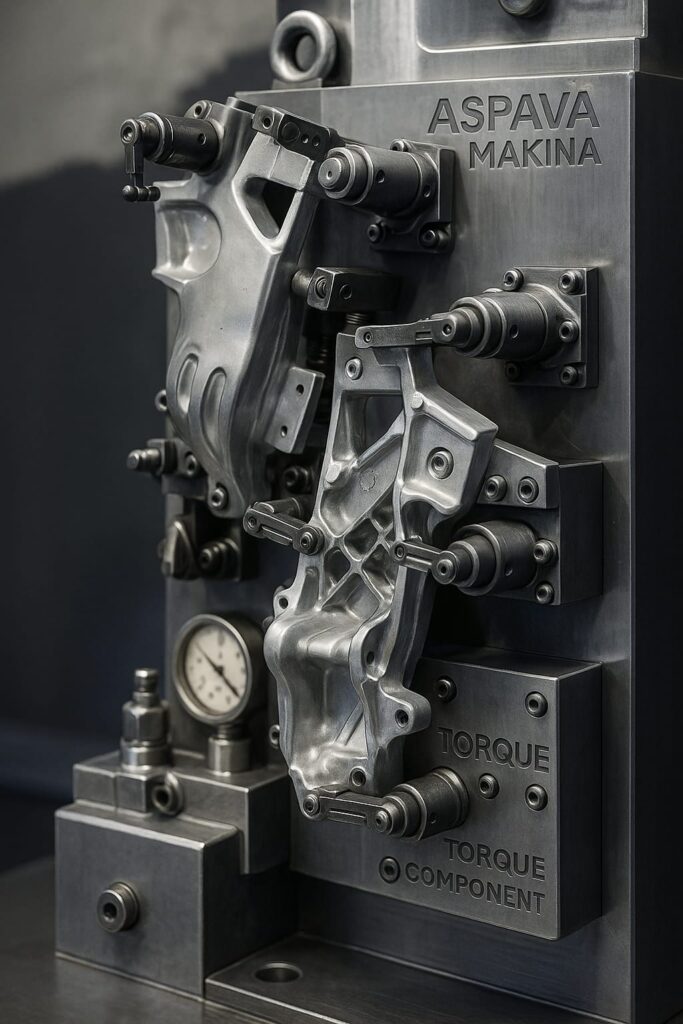
Torque Component develops professional workholding technologies including:
- precision CNC vise systems
- modular workholding solutions
- compact 5-axis CNC vises
- clamping systems designed for multi-axis machining
These engineering solutions are designed to support stable machining processes and improve productivity in modern CNC manufacturing environments.
You can explore these workholding solutions at:
https://www.torqueconponent.com
Precision Manufacturing Support by Aspava Makina
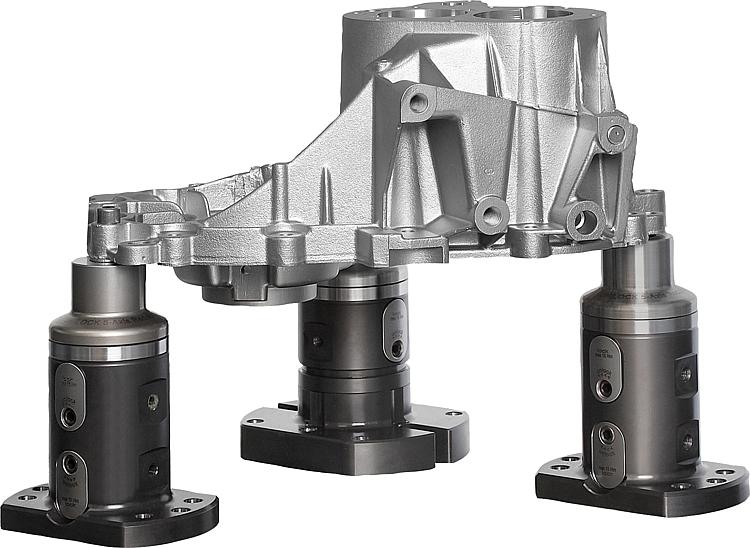
Advanced workholding systems require high-precision manufacturing. The production of these components demands tight tolerances, durable materials, and advanced machining capabilities.
Aspava Makina supports the manufacturing of precision components used in workholding systems through its expertise in:
- multi-axis CNC machining
- fixture manufacturing
- precision mechanical components
- high-tolerance machining
With strong engineering knowledge and manufacturing capabilities, Aspava Makina contributes to the production of reliable machining solutions used in demanding industrial applications.
More about manufacturing capabilities:
https://www.aspavamakina.com
Conclusion
Workholding systems are a fundamental part of modern CNC machining. Stable workpiece clamping is essential for maintaining machining accuracy, improving surface quality, and ensuring process stability.
From traditional CNC vises to advanced 5-axis workholding systems, modern clamping technologies continue to evolve to meet the needs of high-precision manufacturing.
Companies such as Torque Component and Aspava Makina contribute to this field by developing and manufacturing advanced workholding solutions for modern machining environments.