From Foam Models to High-Performance Metal Components
Modern engineering industries require a wide range of manufacturing technologies to transform design concepts into functional components. During product development, engineers frequently rely on prototype manufacturing to test design concepts, evaluate performance, and improve engineering solutions before full-scale production begins.
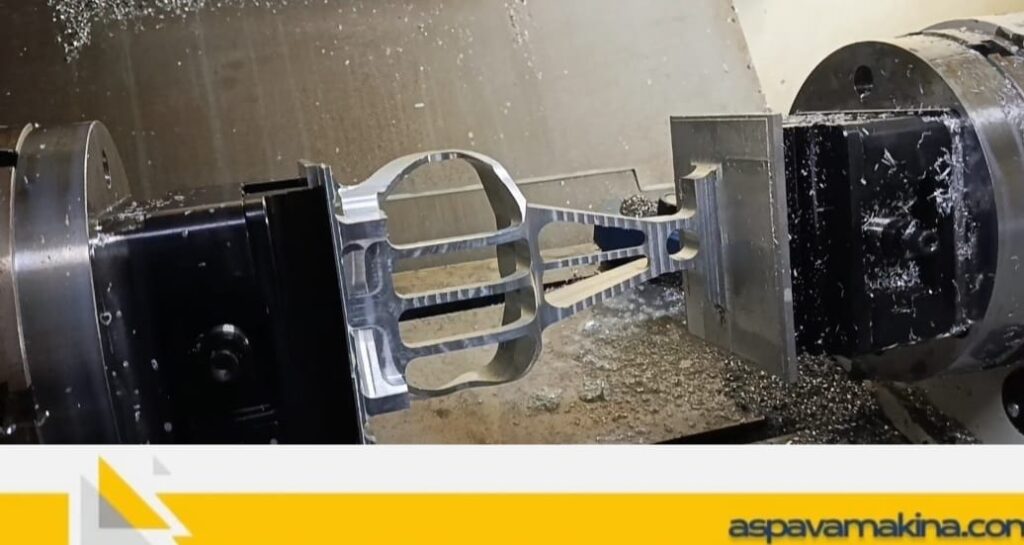
One of the most efficient methods used today is CNC prototype machining, which allows engineers to manufacture prototype components directly from digital CAD models.
Prototype manufacturing may involve a wide range of materials depending on the application. Lightweight materials such as structural foam are often used for early design models, while high-performance metals such as titanium or Inconel are used for functional prototypes and critical engineering components.
Manufacturing companies with advanced machining capabilities, such as ASPAVA Engineering, combine multiple CNC technologies to process both lightweight modeling materials and difficult-to-machine metals.
More information about ASPAVA’s engineering and manufacturing capabilities can be found here:
https://www.aspavamakina.com
CNC Machining in Modern Prototype Development
Prototype manufacturing plays a critical role in modern engineering.
Before moving to mass production, engineers must verify:
- design geometry
- structural performance
- assembly compatibility
- aerodynamic behavior
CNC machining allows engineers to produce prototype components with extremely high dimensional accuracy.
Using digital CAD models and CAM programming, CNC machines transform raw materials into physical components with precise tolerances.
Companies like ASPAVA Engineering utilize CNC machining technologies to produce prototypes used in industrial machinery, aerospace systems, marine engineering, and advanced composite structures.
Prototype Manufacturing Using Structural Foam Materials
In the early stages of product development, lightweight materials are often used to produce engineering models.
Structural foam materials such as Divinycell H60 and H80 are frequently used in industries such as aerospace engineering, marine construction, and composite manufacturing.
These materials offer several advantages for prototype manufacturing.
Lightweight Structure
Foam materials are significantly lighter than metals, allowing engineers to produce large prototype models efficiently.
Excellent Machinability
Structural foams can be machined quickly using CNC technology.
Ideal for Composite Tooling
Foam models are often used as patterns for composite mold production.
At ASPAVA, CNC machining technologies are used to produce high-precision foam models used in industrial prototype development.
CNC Machining of Advanced Engineering Materials
While foam materials are ideal for early design models, many engineering industries require prototypes made from high-performance metals.
Some of the most challenging materials used in CNC machining include:
- titanium alloys
- Inconel superalloys
- stainless steels
- hardened tool steels
These materials are widely used in aerospace engineering, energy systems, and high-performance mechanical applications.
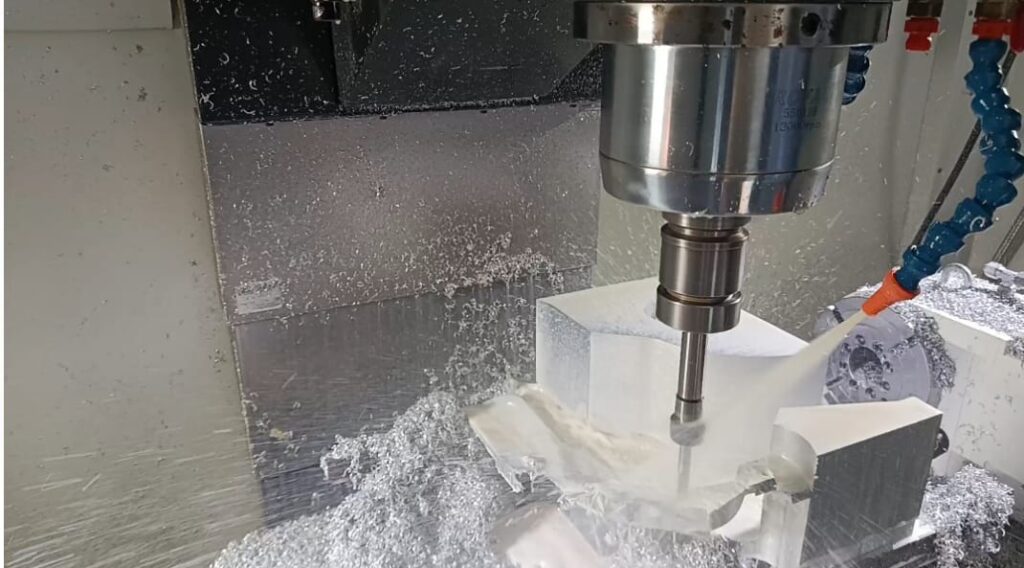
Machining these materials requires advanced CNC technology, optimized cutting parameters, and significant machining experience.
Titanium Machining
Titanium is widely used in aerospace engineering and medical industries due to its excellent strength-to-weight ratio and corrosion resistance.
However, titanium is known to be a difficult material to machine.
Titanium machining presents several challenges:
- high cutting temperatures
- tool wear
- material toughness
Advanced CNC machining strategies are required to maintain precision and surface quality when machining titanium components.
Inconel Machining
Inconel is a high-temperature superalloy used in aerospace engines, turbines, and energy systems.
Inconel materials are extremely resistant to heat and mechanical stress, which makes them ideal for demanding engineering environments.
However, these same properties make Inconel extremely difficult to machine.
Inconel machining requires:
- rigid CNC machines
- specialized cutting tools
- optimized machining parameters
Companies capable of machining Inconel components are usually experienced in advanced CNC manufacturing processes.
ASPAVA Engineering and Advanced CNC Machining
Modern manufacturing companies must be able to process a wide variety of materials depending on the engineering requirements of each project.
ASPAVA Engineering, based in Türkiye, provides advanced CNC machining services for both prototype manufacturing and industrial production.
ASPAVA operates in several manufacturing areas including:
- CNC machining of metals and engineering materials
- industrial fixture systems
- automation solutions
- prototype manufacturing
- engineering model production
The company’s machining capabilities allow engineers to produce both lightweight foam models and high-performance metal components used in advanced industries.
More information about ASPAVA can be found here:
From Prototype Models to Industrial Production
Modern product development often begins with foam prototypes and evolves into metal production components.
Engineers may first create large foam models to test design concepts and structural geometry. Once the design is validated, the final components can be manufactured using advanced metals such as titanium or Inconel.
This combination of prototype development and high-performance machining allows companies to accelerate innovation and reduce production risks.
Conclusion
CNC prototype machining plays a vital role in modern engineering industries.
From lightweight foam models used for early design validation to high-performance metal components made from titanium or Inconel, CNC machining technologies allow engineers to transform digital designs into physical products.
Companies with advanced machining capabilities, such as ASPAVA Engineering, support this process by providing engineering expertise and manufacturing solutions for complex prototype and production components.
For more information about ASPAVA’s manufacturing capabilities, visit: