Engineering the Future of Precision Production
Manufacturing has always been the foundation of technological progress. From the earliest mechanical workshops to today’s highly automated factories, the ability to produce precise and reliable components has driven industrial development across the world.
In modern industry, manufacturing systems must meet increasingly demanding requirements. Products are becoming more complex, tolerances are becoming tighter, and global competition is forcing manufacturers to improve efficiency while maintaining exceptional quality.
At the center of this transformation are three fundamental pillars of modern production:
- Precision tooling
- Advanced fixture and workholding systems
- Smart manufacturing technologies
Together, these elements form the foundation of modern manufacturing environments that are capable of producing high-quality components with speed, accuracy, and repeatability.
Understanding how these systems interact is essential for engineers, manufacturers, and production planners who want to build efficient and future-ready factories.
The Role of Tooling in Modern Manufacturing
Tooling is the backbone of industrial production. Every mass-produced component, whether made from metal or plastic, relies on precisely engineered tools that shape raw materials into finished products.
Two of the most widely used tooling systems in modern manufacturing are:
- Sheet metal forming dies
- Plastic injection molds
These tools enable manufacturers to produce thousands or millions of identical parts with consistent quality.
However, the performance of these tools depends heavily on the precision with which they are manufactured.
Modern tooling production relies on advanced technologies such as CNC machining, high-speed milling, electrical discharge machining (EDM), and precision grinding to achieve the required accuracy.
Even small deviations in tooling geometry can lead to defects in mass production. Therefore, the manufacturing of tooling components requires extremely precise machining processes and highly controlled production environments.
CNC Machining: The Core of Precision Manufacturing
CNC machining has revolutionized the production of tooling components.
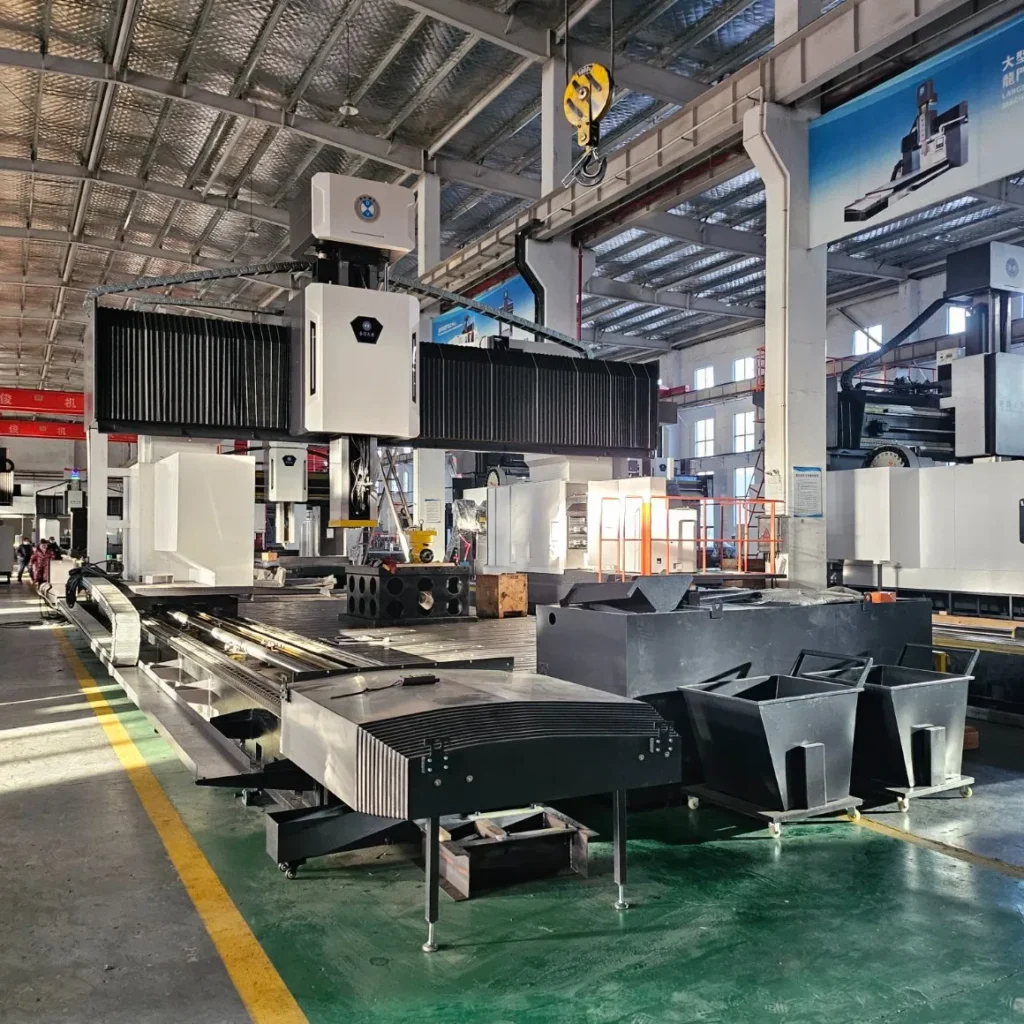
Computer Numerical Control (CNC) technology allows complex parts to be machined with exceptional precision and repeatability. Modern CNC machining centers can perform multiple operations automatically, including milling, drilling, and contouring.
One of the most important developments in CNC machining is the rise of 5-axis machining technology.
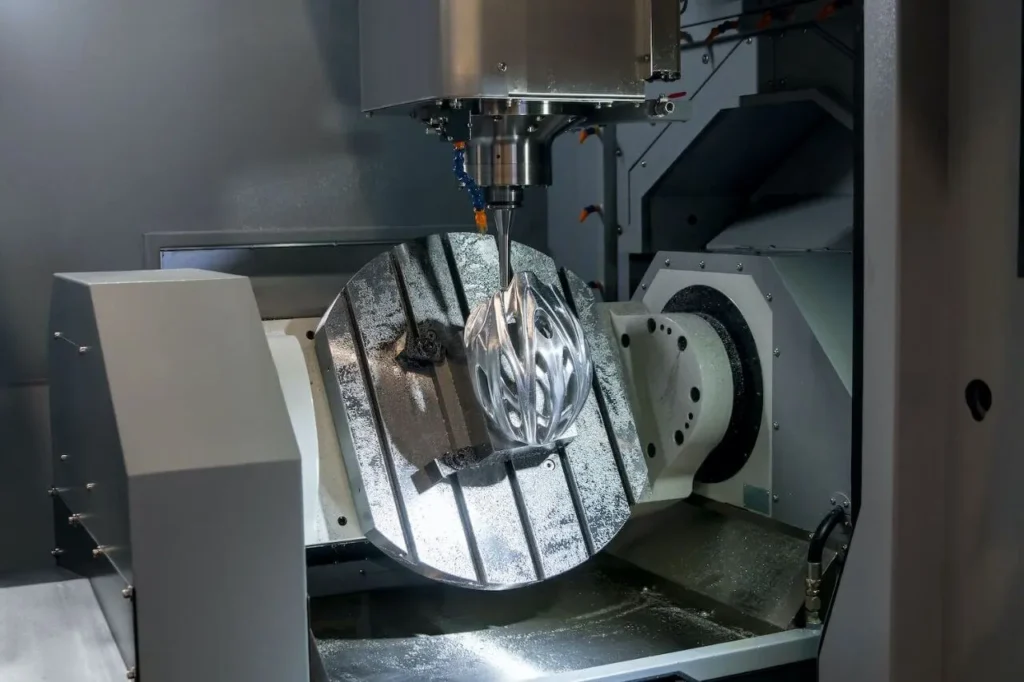
Unlike traditional three-axis machines, 5-axis CNC machines allow cutting tools to approach the workpiece from multiple angles. This capability enables the production of highly complex geometries that are common in mold and die manufacturing.
Advantages of CNC machining include:
- high dimensional accuracy
- repeatable machining processes
- complex 3D geometry production
- reduced manual intervention
- improved production efficiency
These advantages make CNC machining the primary manufacturing method for producing tooling components.
Sheet Metal Die Manufacturing
Sheet metal forming is one of the most widely used manufacturing processes in industries such as automotive, consumer appliances, and industrial equipment.
In this process, flat metal sheets are transformed into complex shapes using specially designed forming dies.
A sheet metal die consists of several precision components, including:
- die blocks
- punches
- guide systems
- pressure plates
- stripper plates
These components must work together perfectly to ensure that the metal sheet is formed correctly during the stamping process.
Because sheet metal dies operate under extremely high forces, they must be manufactured with exceptional precision and durability.
CNC machining plays a crucial role in producing these components, ensuring that each element of the die assembly fits together with perfect alignment.
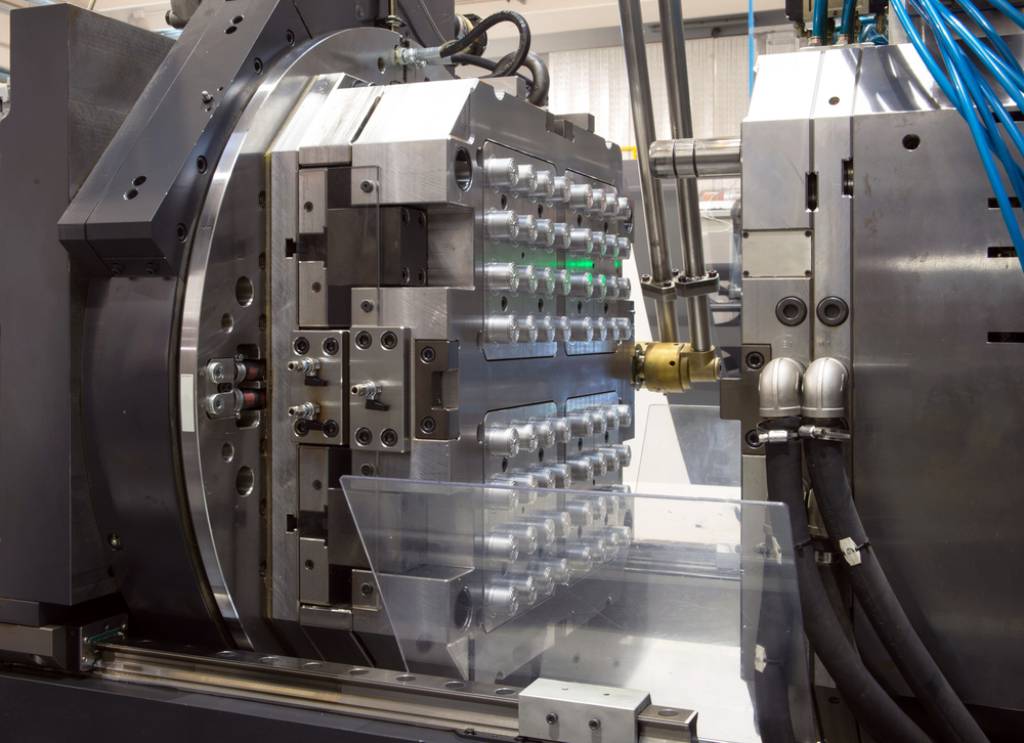
Injection Mold Manufacturing
Injection molding is the dominant manufacturing process for producing plastic parts in high volumes.
From automotive components to consumer electronics, injection molding enables the production of complex plastic parts with high consistency.
Injection molds typically consist of two main sections:
- the cavity side, which forms the external shape of the part
- the core side, which forms the internal features
Additional systems within the mold include cooling channels, ejector mechanisms, and guide components.
Manufacturing these molds requires extremely precise machining, as even microscopic deviations can affect the quality of the final product.
CNC machining technologies such as high-speed milling and precision finishing are widely used to create mold cavities with the required surface quality and dimensional accuracy.
The Importance of Fixture and Workholding Systems
While tooling and machining technologies receive significant attention, one critical element of manufacturing is often underestimated: workholding.
During machining operations, the workpiece must be securely held in a stable position. Any movement or vibration during machining can result in dimensional errors, poor surface finish, or tool damage.
Workholding systems include:
- machine vises
- fixture plates
- clamping devices
- modular workholding systems
These systems ensure that the workpiece remains stable throughout the machining process.
Advanced fixture systems are designed to provide:
- repeatable part positioning
- strong and stable clamping force
- quick setup and changeover
- compatibility with automated production systems
Companies such as ASPAVA develop precision workholding solutions that support modern CNC machining environments and help manufacturers achieve reliable machining results.
Modular Fixture Systems and Flexible Manufacturing
Modern production environments must be flexible enough to adapt to changing product designs and production requirements.
Modular fixture systems provide a practical solution to this challenge.
Instead of using fixed fixtures designed for a single part, modular systems allow machinists to configure workholding setups using interchangeable components.
Advantages of modular fixture systems include:
- reduced setup time
- flexible fixture configurations
- improved production efficiency
- lower tooling costs
These systems are especially valuable in industries that produce a wide variety of parts with different geometries.
Automation and the Evolution of Smart Manufacturing
Manufacturing is increasingly moving toward automation.
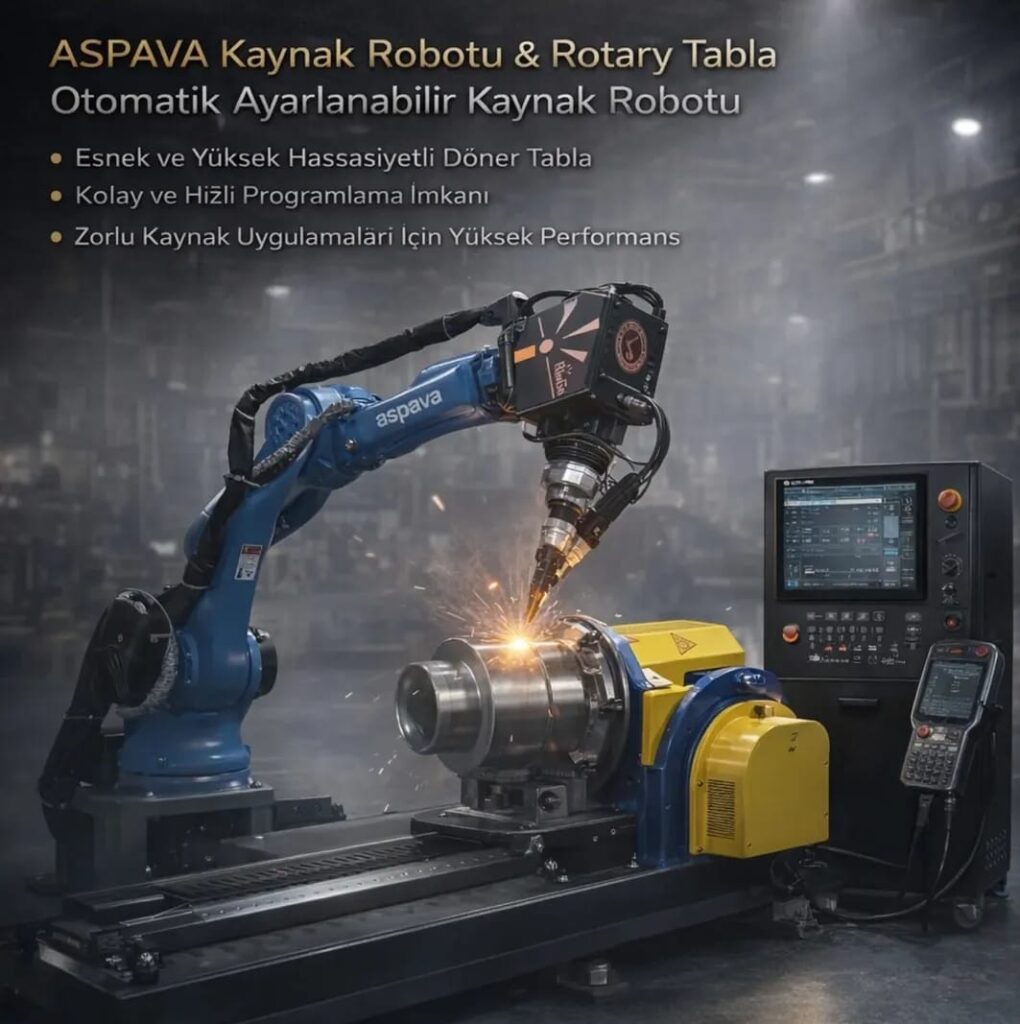
Industrial robots are now widely used in factories to perform repetitive tasks such as loading and unloading parts, transferring components between machines, and performing automated inspections.
When combined with CNC machining systems, robotic automation enables highly efficient production environments.
Benefits of robotic automation include:
- consistent production quality
- reduced operator dependency
- increased production speed
- improved workplace safety
ASPAVA supports automated manufacturing environments by developing workholding systems that are compatible with robotic handling systems and automated machining cells.
Error-Proof Production and Poka-Yoke Principles
Maintaining consistent production quality requires more than just advanced machinery. Manufacturing systems must also be designed to minimize the risk of human error.
The concept of Poka-Yoke, developed in Japanese manufacturing systems, focuses on designing processes that prevent mistakes before they occur.
Examples of Poka-Yoke in machining environments include:
- fixtures that ensure correct part orientation
- positioning systems that prevent incorrect setups
- sensors that detect abnormal conditions
By implementing these strategies, manufacturers can significantly reduce production errors and improve product quality.
The Rise of Lights-Out Manufacturing
One of the most advanced developments in manufacturing is lights-out production.
In a lights-out factory, machines and robotic systems operate with minimal human intervention. Production continues even during nighttime hours when workers are not present.
This approach increases machine utilization and allows manufacturers to achieve higher productivity.
However, lights-out manufacturing requires extremely reliable production systems.
Every component of the manufacturing process, including machines, automation systems, and workholding solutions, must operate consistently without constant supervision.
Sustainable Manufacturing and Process Optimization
Sustainability has become an increasingly important goal for modern manufacturing companies.
Efficient production systems reduce energy consumption, minimize material waste, and improve resource utilization.
Automation and intelligent manufacturing technologies contribute to sustainability by improving process control and reducing production errors.
Stable machining processes also extend tool life and reduce scrap rates.
Companies that invest in advanced manufacturing technologies can achieve both economic and environmental benefits.
The Future of Manufacturing
The future of manufacturing will be defined by integration and intelligence.
Factories will increasingly combine CNC machining, robotics, digital monitoring systems, and advanced workholding technologies into fully integrated production environments.
Engineers and manufacturers who understand the interaction between tooling, fixtures, and automation will play a key role in shaping the next generation of industrial production.
Companies that invest in advanced engineering solutions and intelligent manufacturing strategies will be best positioned to compete in the global manufacturing landscape.
ASPAVA contributes to this transformation by developing precision workholding solutions, advanced fixture systems, and manufacturing technologies that support modern smart factories.