High-Performance 5 Axis Vise Systems for Precision CNC Machining
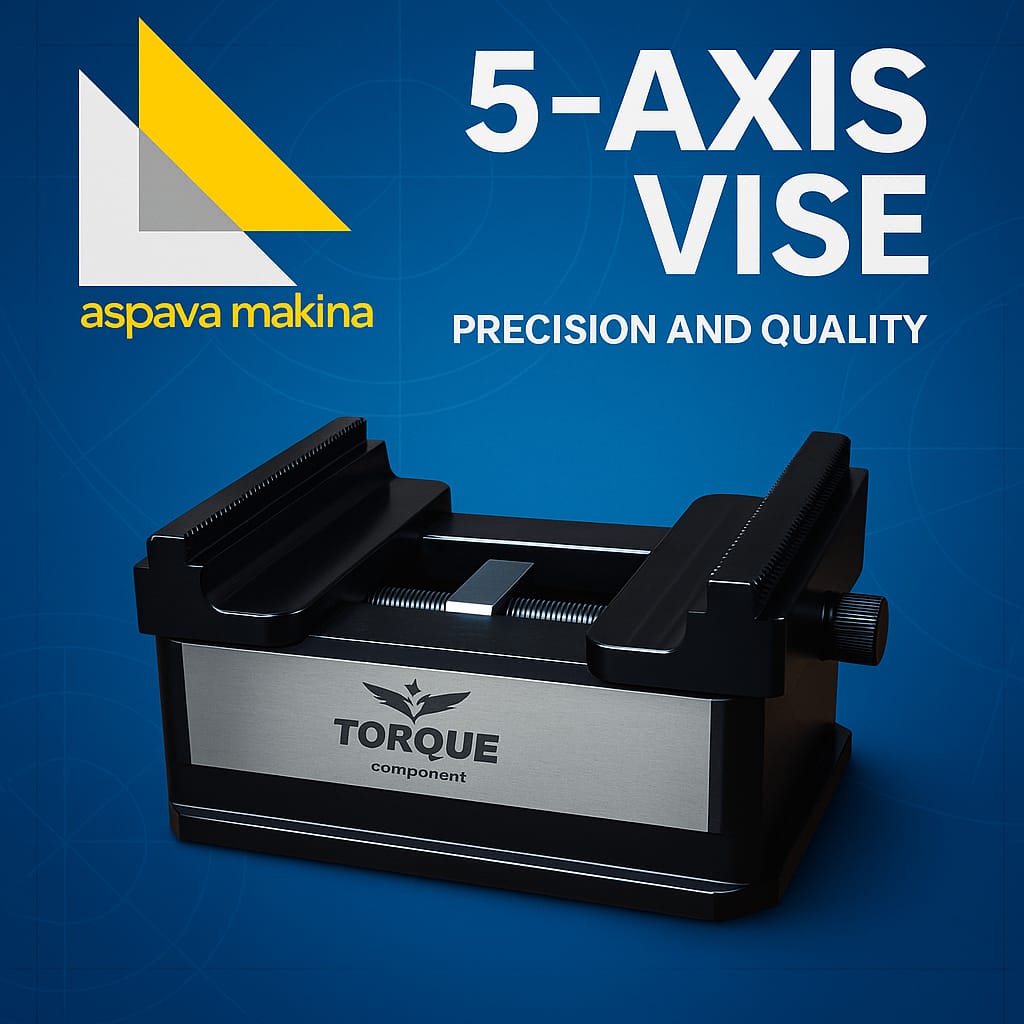
In modern CNC manufacturing, precision workholding plays a critical role in machining accuracy and productivity. A high-quality 5 axis vise system allows manufacturers to achieve complex machining operations with maximum stability and repeatability.
ASPAVA develops advanced CNC vise systems and workholding solutions designed for high-performance machining environments. These systems are engineered to support 5 axis CNC machining, multi-axis operations, and precision manufacturing applications where rigidity and positioning accuracy are essential.
Why 5 Axis Vise Systems Matter
A well-designed 5 axis CNC vise provides several advantages for machining centers:
- Improved accessibility for multi-axis machining
- Reduced setup time
- Higher machining precision
- Strong and stable clamping force
- Better part positioning for complex geometries
With modern manufacturing increasingly relying on 5 axis CNC technology, machinists require high rigidity vise systems that maintain stability even during aggressive cutting operations.
ASPAVA Precision Vise Solutions
ASPAVA designs and manufactures industrial CNC vise systems and modular workholding solutions tailored for demanding machining environments. Each vise system is produced with precision engineering principles to ensure:
- High clamping accuracy
- Durable construction
- Maximum workpiece stability
- Compatibility with modern CNC machining centers
ASPAVA vise systems are ideal for industries such as automotive manufacturing, aerospace machining, precision engineering, and industrial production.
Advanced Workholding for Modern Manufacturing
In today’s competitive manufacturing landscape, selecting the right CNC workholding system directly impacts machining efficiency and product quality.
ASPAVA’s 5 axis vise systems are developed to support manufacturers looking for reliable, high-performance clamping solutions that improve productivity and machining precision.
As CNC machining continues to evolve, advanced workholding technologies and modular vise systems will remain essential tools for achieving consistent and accurate results in complex manufacturing processes.
What is a 5 Axis Vise?
A 5 axis vise is a specialized clamping device designed to hold workpieces securely during multi-axis machining operations. Unlike traditional vises used in basic milling applications, a 5 axis vise is engineered to provide maximum tool accessibility, high rigidity, and precise clamping.
In traditional machining setups, parts are typically clamped in standard vises that hold the workpiece from two sides. While this approach works well for simple operations, it becomes limiting when machining complex parts that require access from multiple angles.
In 5 axis machining, the cutting tool can approach the workpiece from almost any direction. This capability allows manufacturers to machine complex geometries, reduce the number of setups, and improve part accuracy. However, it also requires a workholding system that does not obstruct the cutting tool.
For this reason, 5 axis vises are usually designed with:
- Compact and low-profile structures
- Strong clamping force
- Minimal interference with cutting tools
- Precision alignment surfaces
- High rigidity construction
These features ensure that the workpiece remains stable while allowing the cutting tool to access multiple surfaces without obstruction.
The Importance of Workholding in CNC Machining
Workholding is one of the most critical elements in the CNC machining process. Even the most advanced machining centers cannot produce accurate parts if the workpiece is not properly secured.
A poorly designed clamping system can lead to several problems, including:
- Workpiece movement during machining
- Increased vibration and chatter
- Poor surface finish
- Dimensional inaccuracies
- Tool breakage
In contrast, a high-quality CNC vise system improves machining performance by ensuring that the workpiece remains stable throughout the entire operation.
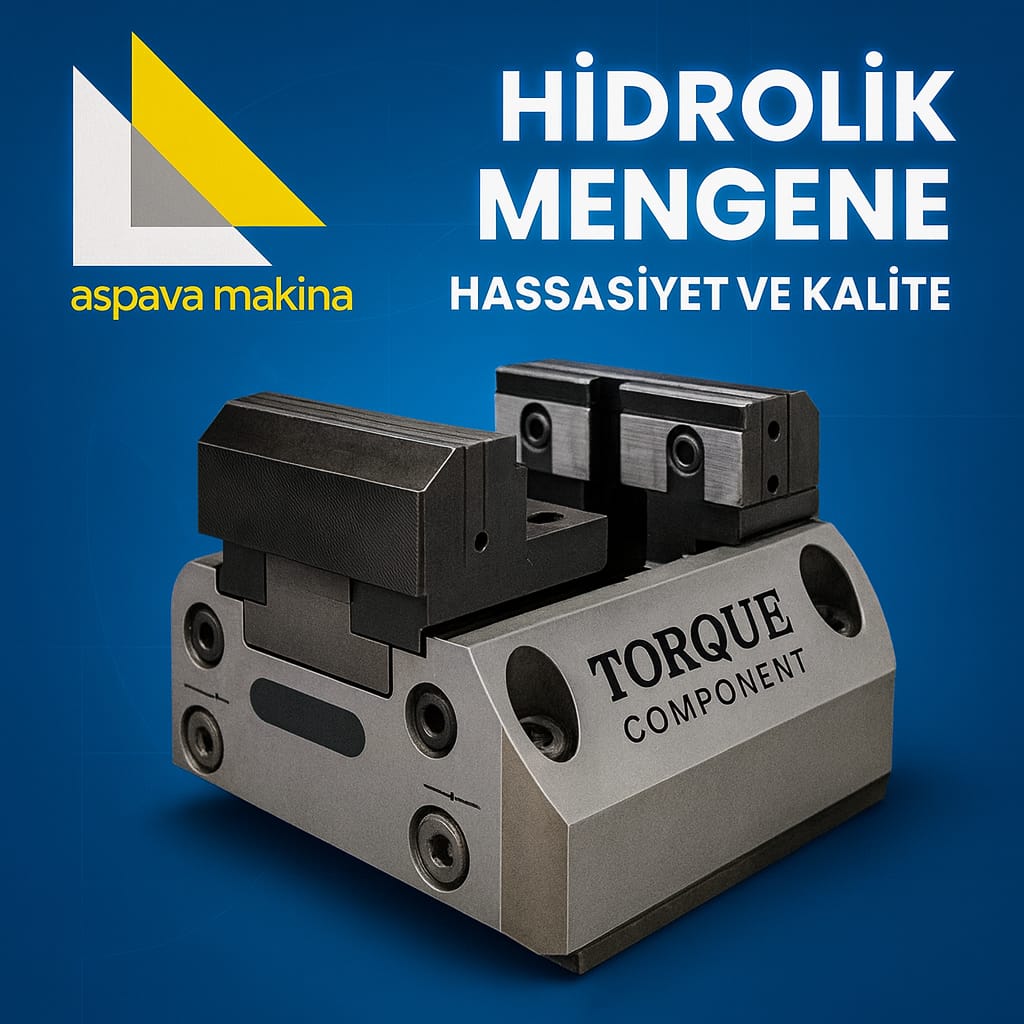
Precision workholding solutions help manufacturers achieve:
- Higher machining accuracy
- Improved repeatability
- Faster setup times
- Better surface quality
- Increased production efficiency
For industries such as aerospace, automotive, medical device manufacturing, and precision engineering, these advantages are essential.
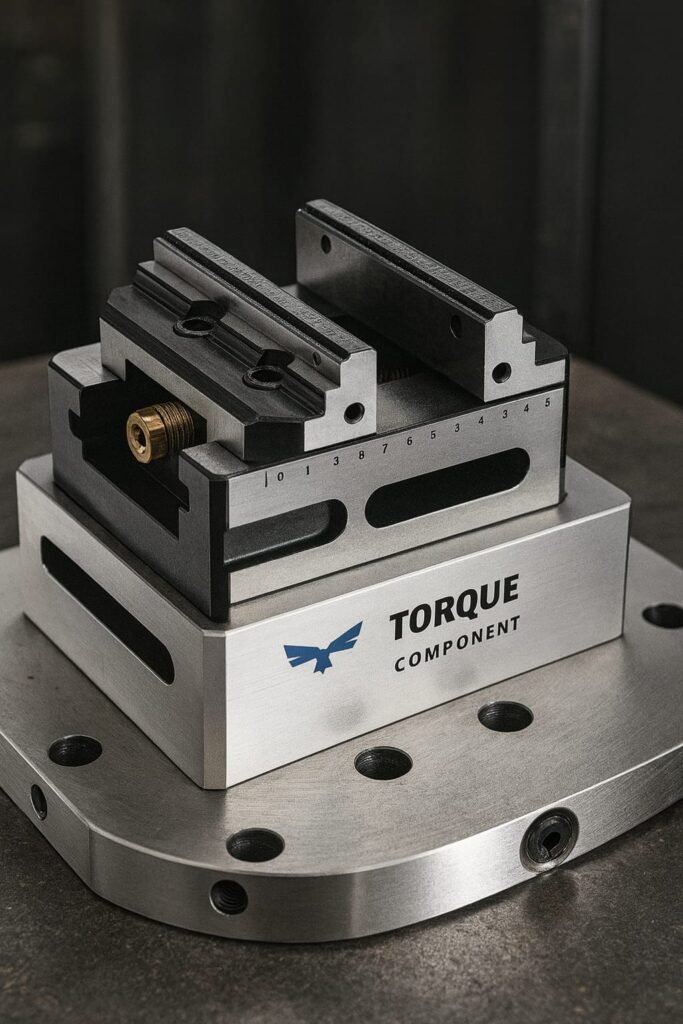
Best Workholding Solutions for 5 Axis CNC Machining
Modern manufacturing environments require flexible and reliable workholding systems that can adapt to complex machining operations. Several workholding technologies have been developed to support 5 axis machining.
Self-Centering Vises
Self-centering vises are designed to clamp the workpiece symmetrically from both sides. This ensures that the workpiece remains centered on the machine axis, which improves machining accuracy and repeatability.
These vises are particularly useful when machining symmetrical components or when high positioning precision is required.
Modular Workholding Systems
Modular workholding systems allow machinists to build custom setups using interchangeable components. This flexibility makes it possible to adapt the clamping configuration to different part geometries.
Advantages of modular systems include:
- Flexible configurations
- Faster setup changes
- Lower tooling costs
- Improved productivity
Modular systems are widely used in high-mix, low-volume manufacturing environments where frequent setup changes are required.
Zero Point Clamping Systems
Zero point systems are designed to reduce setup times by allowing fixtures and vises to be quickly mounted and removed from the machine table.
These systems use precision locating mechanisms that ensure accurate positioning every time a fixture is installed.
Benefits include:
- Rapid fixture changes
- High positioning repeatability
- Reduced machine downtime
How to Improve Precision with CNC Vise Systems
Achieving high precision in CNC machining requires more than just a high-quality machine tool. The workholding system must also provide strong and consistent clamping performance.
Several factors influence machining precision when using CNC vises.
Clamping Force
Adequate clamping force is essential to prevent the workpiece from moving during machining. However, excessive force can deform the workpiece, especially when machining thin or delicate components.
High-quality vises are designed to provide controlled and evenly distributed clamping pressure.
Rigidity
Rigidity is another key factor in maintaining machining accuracy. A rigid vise minimizes vibration and ensures that the workpiece remains stable during cutting operations.
Rigid workholding systems are particularly important when performing heavy milling operations or machining hard materials.
Surface Quality of Clamping Components
Precision-ground clamping surfaces ensure proper contact between the vise and the workpiece. High surface quality reduces positioning errors and improves repeatability.
Proper Workpiece Positioning
Correct positioning of the workpiece is essential for achieving accurate machining results. Modern CNC vises often include precision alignment features that help machinists position parts correctly.
Modular Workholding Systems for CNC Machining
The demand for flexible manufacturing has increased significantly in recent years. As product designs become more complex and production cycles become shorter, manufacturers must adapt their workholding solutions accordingly.
Modular workholding systems provide a practical solution to this challenge.
Instead of relying on fixed fixtures, modular systems allow machinists to assemble workholding setups using standardized components. These components may include:
- Vise bases
- Clamping jaws
- locator pins
- support blocks
- modular rails
By combining these elements, machinists can create customized setups for a wide variety of parts.
This approach offers several advantages:
- Reduced setup time
- Increased machining flexibility
- Lower fixture manufacturing costs
- Faster adaptation to new product designs
For 5 axis machining operations, modular workholding systems are especially valuable because they allow machinists to optimize part accessibility and tool clearance.
Choosing the Right CNC Vise for 5 Axis Machining
Selecting the right vise for 5 axis machining is an important decision that directly affects machining performance.
Several factors should be considered when choosing a CNC vise.
Clamping Strength
The vise must provide sufficient clamping force to hold the workpiece securely during machining operations. High clamping strength prevents part movement and ensures stable cutting conditions.
Compact Design
Low-profile vises are preferred in 5 axis machining because they allow better tool access to the workpiece.
Material Quality
High-quality materials and precision manufacturing processes ensure that the vise maintains its accuracy and durability over time.
Compatibility with CNC Machines
The vise should be compatible with the machine table, pallet systems, and other workholding components used in the manufacturing process.
ASPAVA Precision Vise and Workholding Solutions
ASPAVA develops advanced CNC vise systems and workholding solutions designed to meet the demands of modern manufacturing environments.
By combining precision engineering with durable materials and advanced design principles, ASPAVA produces vise systems that provide:
- High clamping performance
- Exceptional rigidity
- Long-term durability
- Excellent machining accessibility
ASPAVA’s vise systems are suitable for a wide range of applications, including:
- Aerospace component manufacturing
- Automotive part production
- precision mechanical engineering
- industrial CNC machining
These systems help manufacturers achieve higher productivity while maintaining consistent machining accuracy.
The Future of Workholding Technology
As CNC machining technology continues to evolve, workholding systems must also adapt to new manufacturing requirements.
Future developments in workholding technology may include:
- intelligent clamping systems
- automated fixture setups
- integrated sensor technologies
- advanced modular designs
These innovations will further improve machining efficiency and enable manufacturers to produce increasingly complex components with higher levels of precision.