Custom Fixture Manufacturing helps manufacturers improve precision, consistency, and production speed. Discover how custom fixtures optimize modern manufacturing processes in the US and Europe.
In modern manufacturing, efficiency and precision are critical for staying competitive. Companies across the United States and Europe constantly seek ways to reduce errors, increase production speed, and maintain consistent product quality. One of the most effective solutions used by advanced manufacturers today is Custom Fixture Manufacturing.
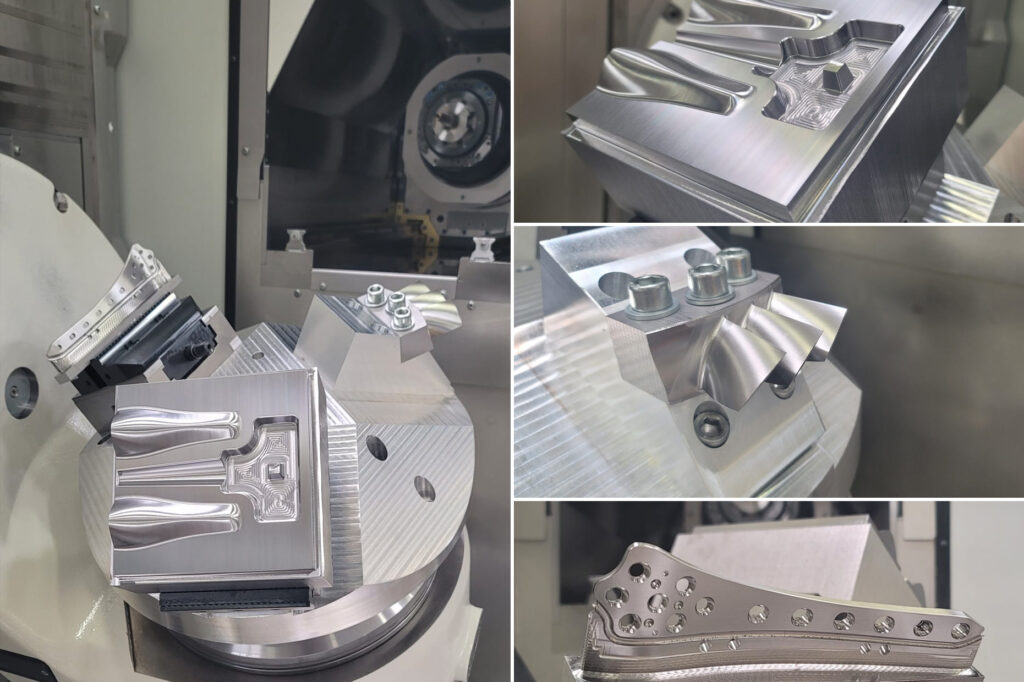
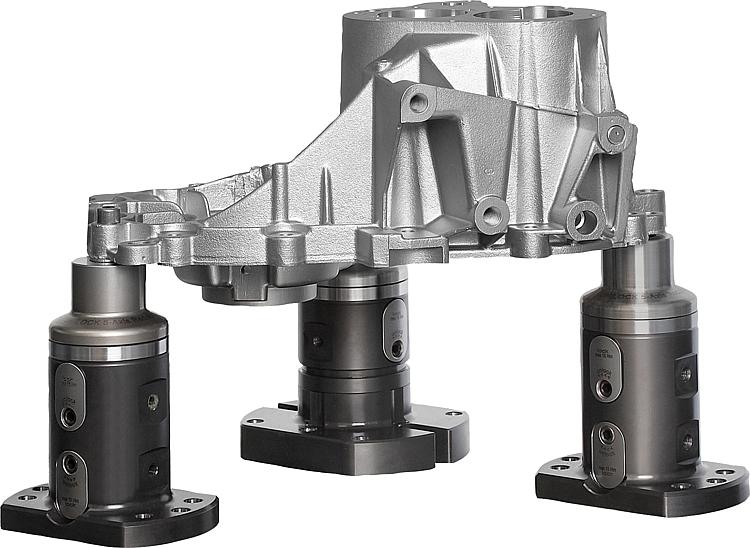
Custom fixtures are specially designed tools that hold, support, and position parts during manufacturing processes. By ensuring components remain in the exact position required for machining, welding, assembly, or inspection, custom fixtures significantly improve accuracy and productivity.
What is Custom Fixture Manufacturing?
Custom Fixture Manufacturing refers to the design and production of specialized devices used to secure workpieces during industrial operations. These fixtures are engineered specifically for a particular product, machine, or production process.
Unlike standard clamps or holders, custom fixtures are designed to match the exact geometry and tolerances of the component being manufactured. This ensures that each part is consistently positioned in the same location during production.
Custom fixtures are widely used in industries such as:
- Automotive manufacturing
- Aerospace engineering
- Medical device production
- Electronics assembly
- Heavy equipment manufacturing
By improving repeatability and minimizing human error, custom fixtures allow manufacturers to achieve higher levels of efficiency and quality control.
Why Custom Fixture Manufacturing is Important in Modern Production
Manufacturing processes today demand extremely tight tolerances and rapid production cycles. Manual positioning of parts often leads to inconsistent results, slower production times, and increased operational costs.
Custom Fixture Manufacturing addresses these challenges by providing engineered solutions that streamline production workflows.
Key reasons manufacturers rely on custom fixtures include:
Improved Precision
Custom fixtures hold parts in the exact position required for machining or assembly. This ensures every component meets strict dimensional tolerances.
Faster Production Cycles
Operators spend less time adjusting or aligning parts manually. As a result, production lines operate faster and more efficiently.
Consistent Product Quality
Because fixtures ensure repeatable positioning, each part produced maintains the same quality standard.
Reduced Manufacturing Errors
Properly designed fixtures reduce the chance of operator mistakes or misalignment.
Increased Worker Safety
Securely held components reduce the risk of movement during machining or welding, improving overall workplace safety.
These advantages make custom fixtures essential for companies looking to optimize their manufacturing operations.
Applications of Custom Fixture Manufacturing
Custom fixtures are used in a wide range of industrial processes. Each application requires a unique design tailored to the manufacturing method and product geometry.
CNC Machining Fixtures
In CNC machining, precise positioning is crucial. Custom fixtures ensure the workpiece remains stable while cutting tools operate at high speeds. This prevents vibration, improves surface finish, and increases machining accuracy.
Welding Fixtures
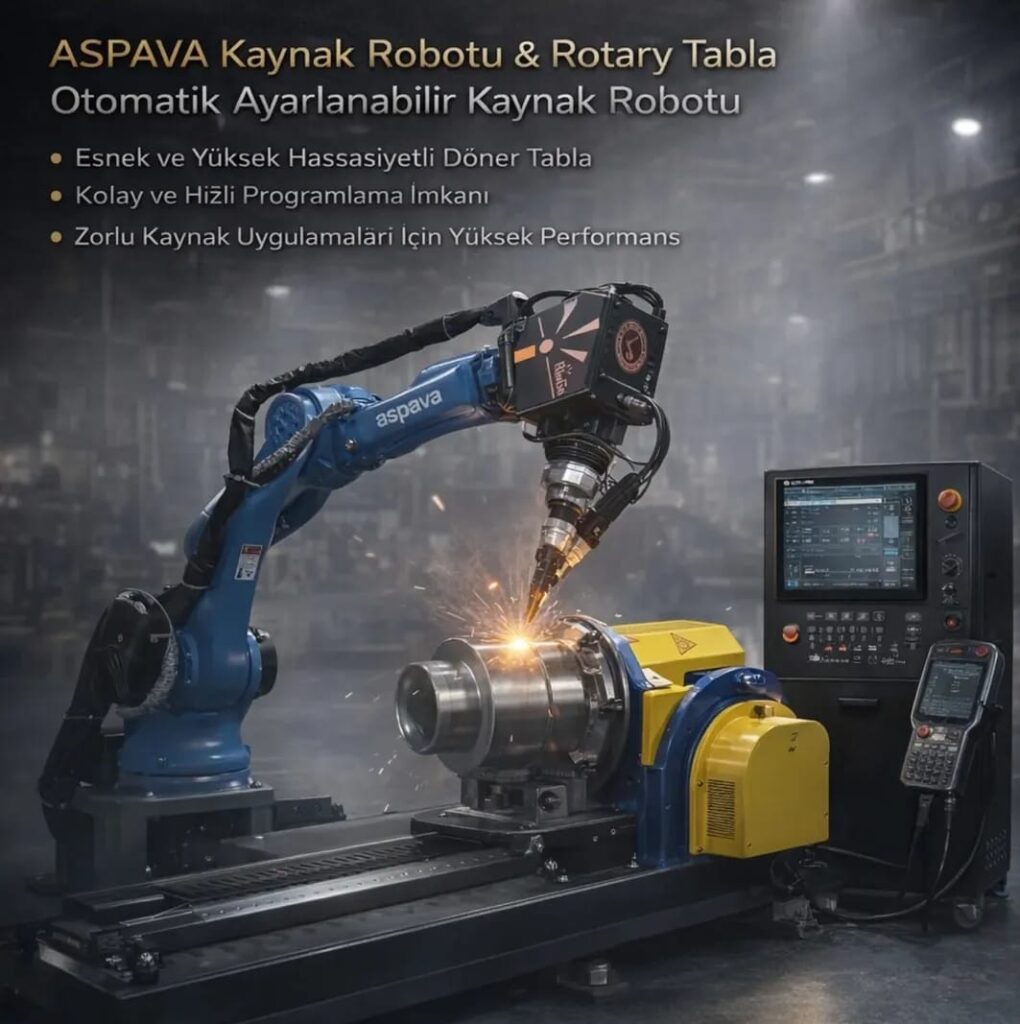
Welding fixtures hold metal components in the correct alignment during the welding process. This ensures strong, consistent welds and reduces distortion caused by heat.
Assembly Fixtures
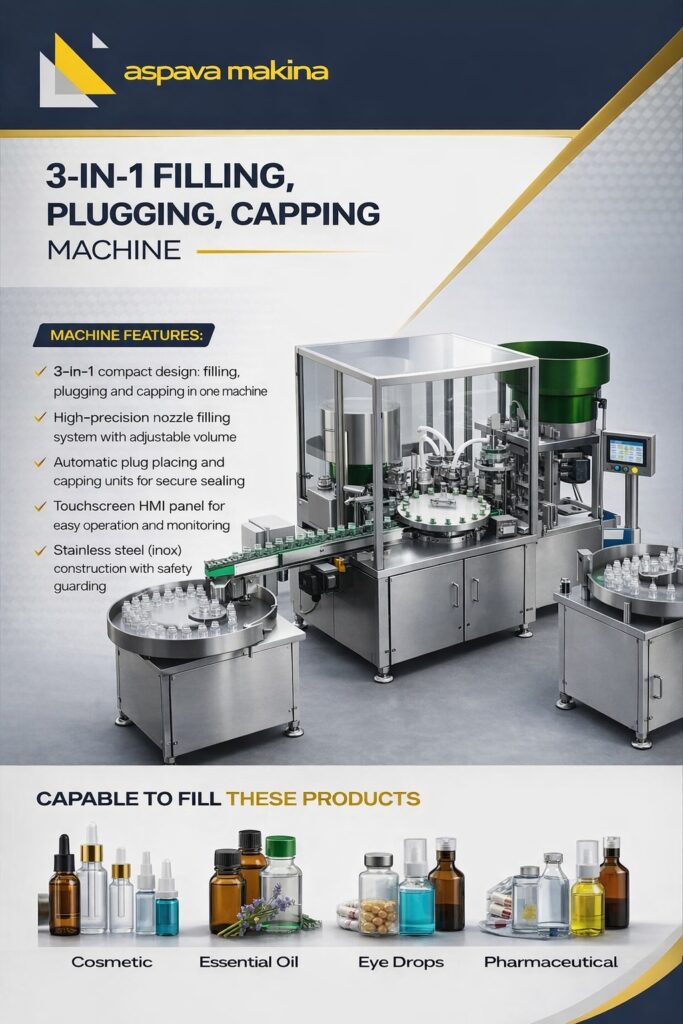
Assembly fixtures guide workers or automated systems to place components in the correct position during product assembly. This reduces assembly time and prevents incorrect installation.
Inspection Fixtures
Quality control processes often require precise positioning during measurement or inspection. Inspection fixtures allow engineers to verify dimensions accurately using coordinate measuring machines (CMM) or other inspection equipment.
Technologies Used in Custom Fixture Manufacturing
Advancements in engineering technology have significantly improved the design and manufacturing of custom fixtures. Today, engineers rely on digital tools to develop more efficient solutions.
CAD Design Software
Computer-Aided Design (CAD) software allows engineers to design fixtures digitally before production begins. This helps visualize the fixture structure and optimize its performance.
CNC Machining
Once designed, fixtures are often manufactured using CNC machines that provide extremely high precision and repeatability.
3D Simulation and Testing
Modern simulation tools allow engineers to test fixture performance virtually. This reduces development time and prevents costly design errors.
Advanced Materials
High-strength alloys, hardened steels, and lightweight aluminum materials are commonly used to ensure durability while maintaining ease of use.
These technologies enable manufacturers to produce fixtures that meet the demanding requirements of modern industrial production.
Key Considerations When Designing Custom Fixtures
A successful fixture design must take several factors into account to ensure optimal performance.
Important considerations include:
- Part Geometry: The fixture must securely support complex shapes and surfaces.
- Tolerance Requirements: The fixture must maintain strict positioning accuracy.
- Operator Ergonomics: Fixtures should be easy and safe to use.
- Material Strength: Durable materials ensure long-term reliability.
- Maintenance Accessibility: Fixtures should allow quick adjustments and maintenance.
When these factors are properly addressed, custom fixtures deliver significant productivity improvements.
How Custom Fixture Manufacturing Improves Global Competitiveness
Manufacturers in the United States and Europe operate in highly competitive markets where production efficiency directly affects profitability. Implementing Custom Fixture Manufacturing solutions allows companies to streamline operations while maintaining superior product quality.
By reducing cycle times, minimizing defects, and improving consistency, custom fixtures help manufacturers meet strict industry standards while lowering operational costs.
Many companies also integrate custom fixtures into automated production systems and robotic manufacturing lines, further increasing productivity and scalability.
Conclusion
As global manufacturing continues to evolve, precision and efficiency are more important than ever. Custom Fixture Manufacturing provides the specialized tools needed to maintain consistent production quality while maximizing operational efficiency.
From CNC machining and welding to assembly and inspection processes, custom fixtures play a vital role in modern manufacturing environments. Companies that invest in high-quality fixture solutions gain a significant advantage in productivity, reliability, and long-term operational success.
For manufacturers aiming to compete in the global market, adopting advanced custom fixture solutions is not just beneficial—it is essential.