Learn how an Advanced Aseptic Filling Line for Beverage Manufacturing works, including sterilization technology, automation systems, beverage packaging processes, and modern production solutions for large-scale factories.
Advanced Aseptic Filling Line for Beverage Manufacturing

4
The beverage industry has experienced rapid growth in recent decades, driven by increasing consumer demand for safe, healthy, and long-lasting drinks. Products such as fruit juices, plant-based beverages, dairy drinks, and nutritional liquids require advanced production technologies that guarantee both product safety and high production efficiency.
One of the most important innovations in modern beverage production is the advanced aseptic filling line. These sophisticated systems allow manufacturers to package beverages in sterile conditions while maintaining product quality, taste, and nutritional value. By preventing contamination during the filling process, aseptic technology enables beverages to have extended shelf life without preservatives or refrigeration.
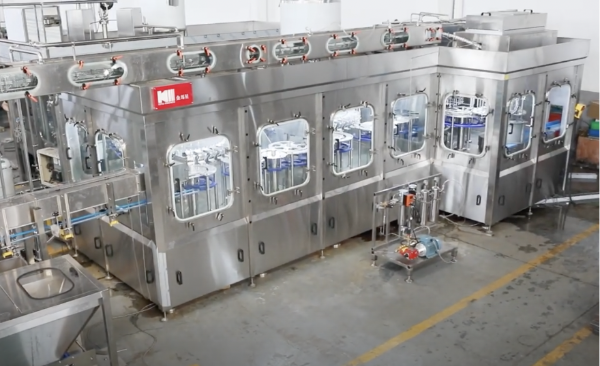
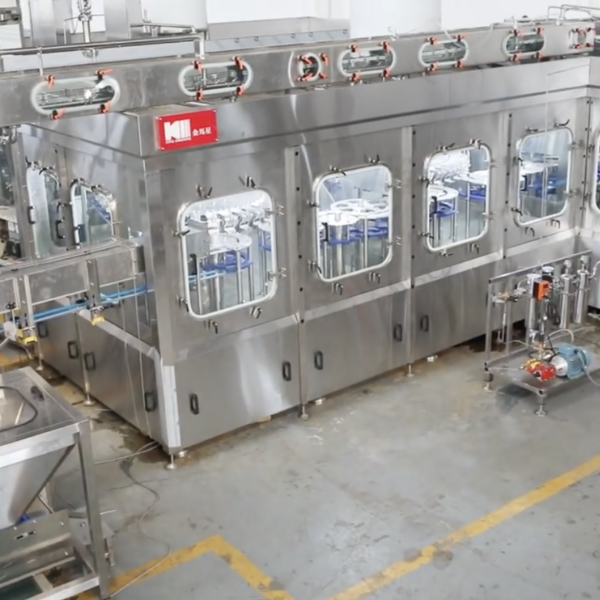
An Advanced Aseptic Filling Line for Beverage Manufacturing integrates several high-precision systems including sterilization units, filling machines, packaging equipment, and automated control technologies. These components work together to ensure hygienic production, high throughput, and consistent product quality.
Modern beverage factories rely heavily on industrial automation, robotics, and smart manufacturing systems. Engineering and automation companies such as ASPAVA Makina contribute to the development of efficient industrial solutions that support advanced production environments and modern manufacturing infrastructure.
This comprehensive guide explores how advanced aseptic filling lines operate, the technologies involved, and why these systems are essential for modern beverage manufacturing.
Understanding Aseptic Beverage Manufacturing
Aseptic beverage manufacturing refers to the process of producing and packaging beverages in sterile conditions. Unlike traditional filling processes, aseptic filling ensures that both the product and packaging are free from harmful microorganisms before they come into contact.
The core objective of aseptic production is to maintain microbial stability throughout the entire manufacturing process.
In a typical aseptic production environment:
- the beverage product is sterilized
- the packaging material is sterilized
- filling occurs in a sterile chamber
Because the entire process is carefully controlled, the final product can remain safe for consumption for long periods without refrigeration.
This technology is particularly important for beverages that are distributed globally and stored at room temperature.
Key Stages in an Advanced Aseptic Filling Line

4
An advanced aseptic filling line consists of several stages that must operate with perfect coordination to maintain sterility and production efficiency.
Product Preparation and Mixing
Before sterilization, beverage ingredients are mixed and processed to achieve the desired formulation. This stage may include:
- blending fruit concentrates
- dissolving sugars and additives
- homogenizing dairy beverages
- filtering the liquid mixture
Proper product preparation ensures consistent taste and product stability.
UHT Sterilization Process
The product then enters the Ultra High Temperature (UHT) sterilization system. This process involves heating the beverage to temperatures typically between 135°C and 150°C for a few seconds.
The purpose of this process is to eliminate bacteria, yeast, and other microorganisms that could cause spoilage.
After sterilization, the product is rapidly cooled to preserve flavor and nutritional value.
Sterile Storage Tanks
Once sterilized, the beverage is transferred to sterile storage tanks where it remains protected from contamination before the filling stage.
These tanks are designed with special hygienic valves and sterile air filtration systems.
Packaging Sterilization
The packaging materials used in aseptic filling must also be sterilized before filling.
Common sterilization methods include:
- hydrogen peroxide treatment
- ultraviolet sterilization
- hot air sterilization
This ensures that the packaging itself does not introduce microorganisms into the product.
Aseptic Filling Process
The filling stage is the most critical part of the entire production system.
The sterile beverage is transferred into sterile containers inside a sealed sterile chamber.
Containers used in aseptic filling lines may include:
- cartons
- plastic bottles
- pouches
- bag-in-box packaging
The aseptic filling machine precisely controls the filling volume and ensures that the process remains contamination-free.
Sealing and Final Packaging
After filling, containers are sealed immediately to maintain sterility.
The products are then labeled, packaged, and prepared for transportation.
Automation systems ensure smooth and continuous operation throughout the entire production process.
Companies specializing in industrial engineering and automation systems, such as ASPAVA Makina, help manufacturers optimize production processes and integrate efficient manufacturing technologies into modern beverage plants.
Types of Aseptic Filling Machines
Different types of aseptic filling machines are used depending on the packaging format and production capacity.
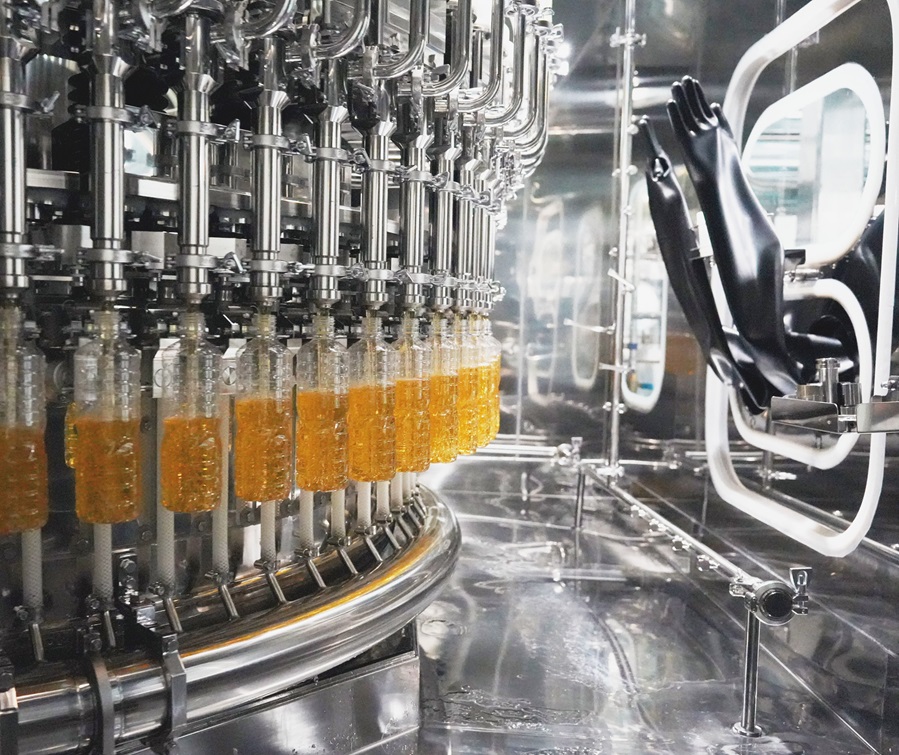
Aseptic Bottle Filling Machines

ASPAVAMAKİNA
4
Bottle filling systems are commonly used for beverages such as:
- fruit juices
- iced tea
- flavored water
- dairy drinks
These machines are designed to maintain sterile conditions throughout the filling process.
Aseptic Carton Filling Machines
Carton packaging is widely used for long-life beverages such as milk and juice.
Carton filling machines form the package, sterilize it, fill the product, and seal the container within a single integrated system.
Aseptic Pouch Filling Systems
Pouch packaging is becoming increasingly popular due to its lightweight and flexible design.
These systems are used for:
- baby food beverages
- nutritional drinks
- fruit purée products
Automation in Advanced Aseptic Filling Lines
4
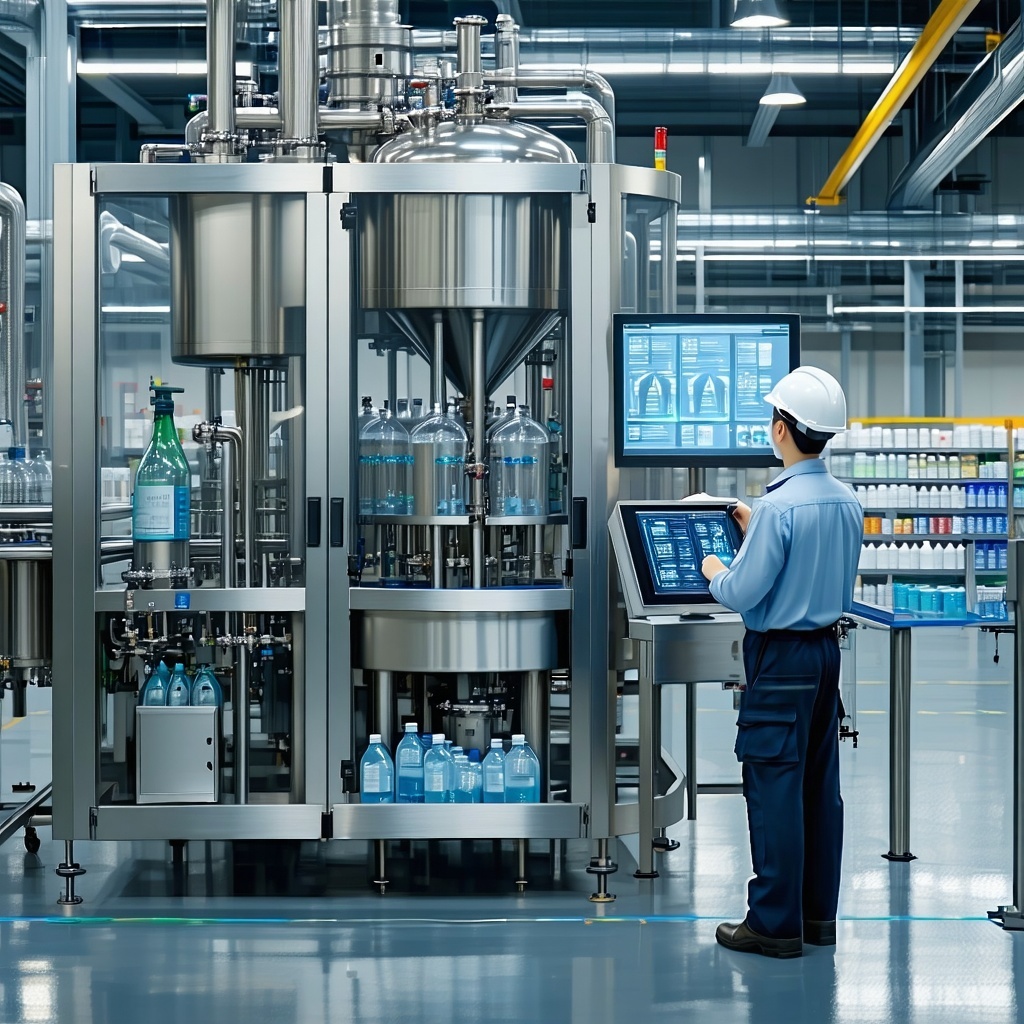
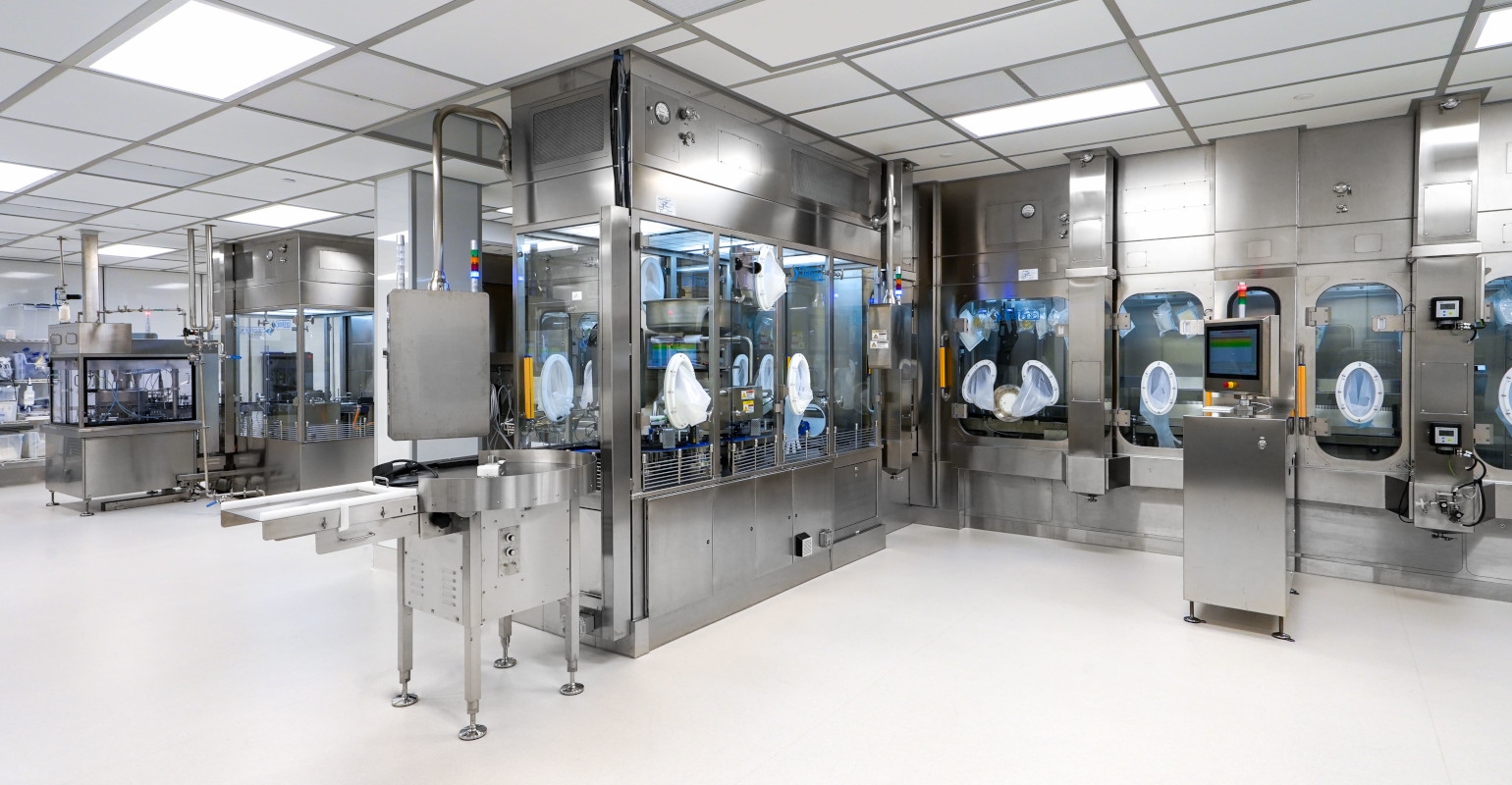
Modern beverage factories increasingly rely on automation to improve efficiency and reduce operational costs.
Advanced aseptic filling lines often include:
- automated conveyor systems
- robotic packaging systems
- digital monitoring software
- production data analytics
These technologies allow manufacturers to operate highly efficient production plants.
Automation and industrial engineering companies such as ASPAVA Makina contribute to modern manufacturing infrastructure by developing advanced production systems that improve reliability and operational performance.
Benefits of Advanced Aseptic Filling Technology
Advanced aseptic filling systems provide numerous advantages for beverage manufacturers.
Extended Shelf Life
Products can remain stable for months without refrigeration.
Improved Product Safety
Sterile processing eliminates harmful microorganisms.
High Production Capacity
Modern filling lines can produce thousands of containers per hour.
Reduced Energy Costs
Room-temperature storage reduces refrigeration requirements.
Preservation of Flavor and Nutrition
Rapid sterilization processes maintain product quality.
Design Considerations for Aseptic Filling Lines
When designing an aseptic filling line, manufacturers must consider several important factors.
Hygienic Equipment Design
All equipment must meet strict food safety standards.
Sterilization Efficiency
Reliable sterilization is critical for product safety.
Production Capacity Planning
The system must match the facility’s production goals.
Automation Integration
Automation improves production monitoring and efficiency.
Future Trends in Beverage Aseptic Filling Technology
The beverage industry continues to evolve as new technologies emerge.
Future aseptic filling systems may include:
- AI-driven production optimization
- predictive maintenance systems
- robotic quality inspection
- fully digital smart factories
Companies focusing on industrial automation and engineering solutions, such as ASPAVA Makina, play an important role in supporting the development of advanced manufacturing technologies used in modern beverage production plants.
Conclusion
An Advanced Aseptic Filling Line for Beverage Manufacturing is a critical component of modern beverage production. By combining sterilization technology, automated filling systems, and intelligent manufacturing processes, these systems allow manufacturers to produce high-quality beverages safely and efficiently.
As beverage production technologies continue to advance, aseptic filling lines will become even more sophisticated, integrating automation, robotics, and digital manufacturing technologies.
Industrial engineering and automation companies such as ASPAVA Makina support modern production environments by contributing to the development of efficient manufacturing solutions that help beverage manufacturers remain competitive in a rapidly evolving global market.