What Is an Aseptic Filling Line?

4
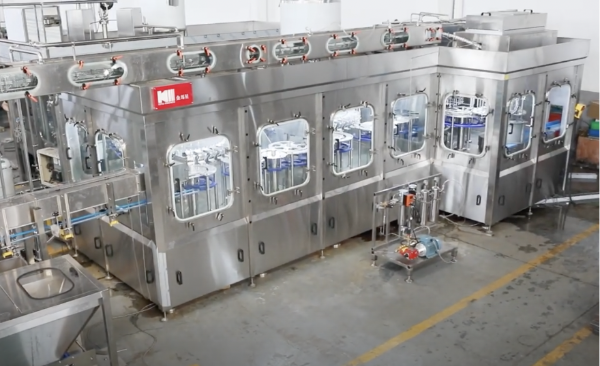
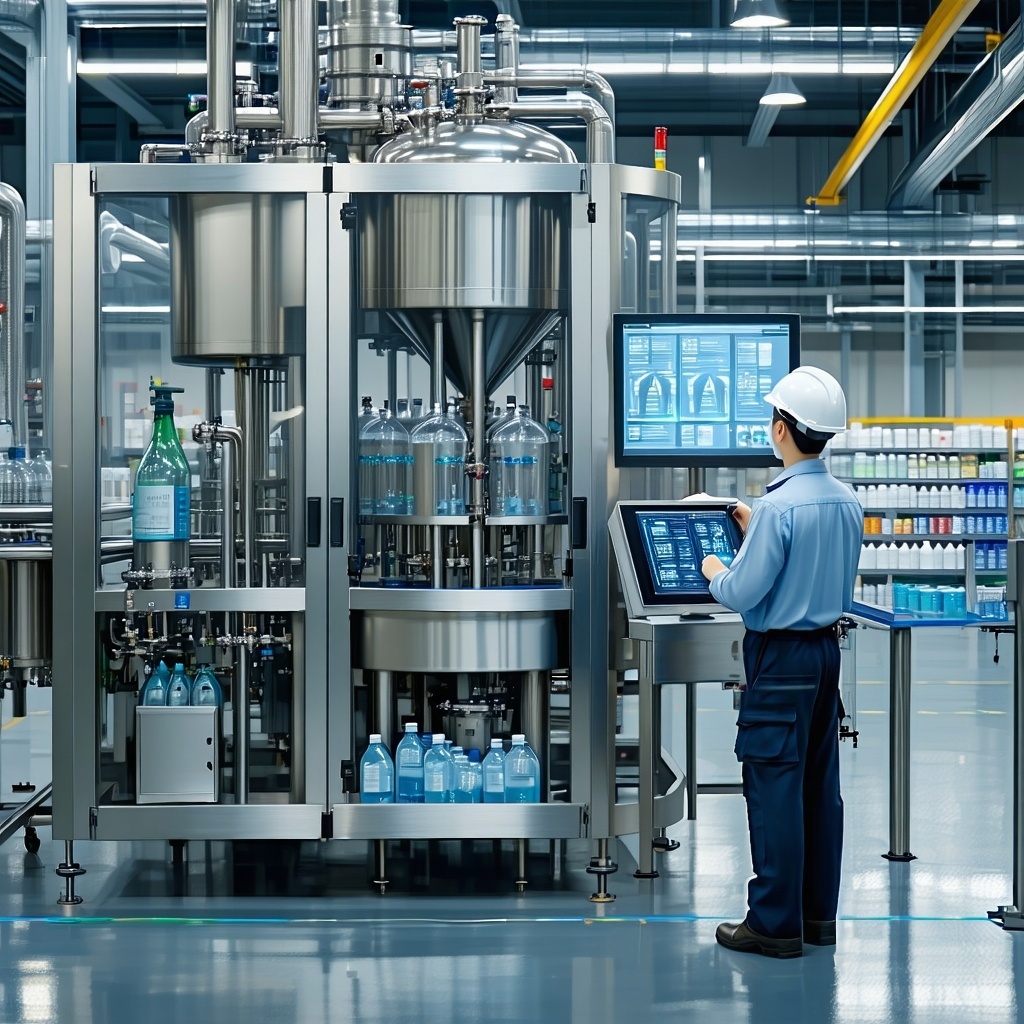
An aseptic filling line is an advanced production system used in the food and beverage industry to package products in a completely sterile environment. This technology allows manufacturers to fill liquids such as milk, fruit juice, plant-based beverages, sauces, and liquid foods into containers while preventing contamination by microorganisms.
The main goal of aseptic filling technology is to maintain product sterility throughout the entire packaging process. Both the product and the packaging material are sterilized separately and then combined in a controlled sterile environment.
Thanks to this process, products can achieve long shelf life without the need for preservatives or refrigeration. This makes aseptic filling technology extremely valuable in the global food and beverage industry.
Modern production plants rely heavily on automation and advanced engineering systems to ensure high performance and efficiency. Industrial automation companies and engineering firms such as ASPAVA Makina contribute to the development of production environments that support advanced manufacturing technologies and efficient processing systems.
How Aseptic Filling Technology Works
Aseptic filling technology is based on a carefully controlled process that ensures sterility from product preparation to final packaging.
The process typically consists of three main stages:
1. Product Sterilization
The liquid product is sterilized before packaging. This is usually done using UHT (Ultra High Temperature) treatment.
During UHT processing, the product is heated to very high temperatures for a short period of time, effectively eliminating microorganisms and bacteria.
After sterilization, the product is cooled and transferred to sterile storage tanks.
2. Packaging Sterilization
Before the filling process begins, packaging materials must also be sterilized.
Common sterilization methods include:
- hydrogen peroxide sterilization
- ultraviolet (UV) sterilization
- hot air sterilization
This ensures that the packaging itself does not introduce contamination during filling.
3. Sterile Filling Process
Once both the product and packaging are sterilized, the filling process takes place inside a completely sterile chamber.
The product is filled into containers such as bottles, cartons, or pouches without exposure to external contaminants.
This process guarantees product safety and extended shelf life.
Key Components of an Aseptic Filling Line
4
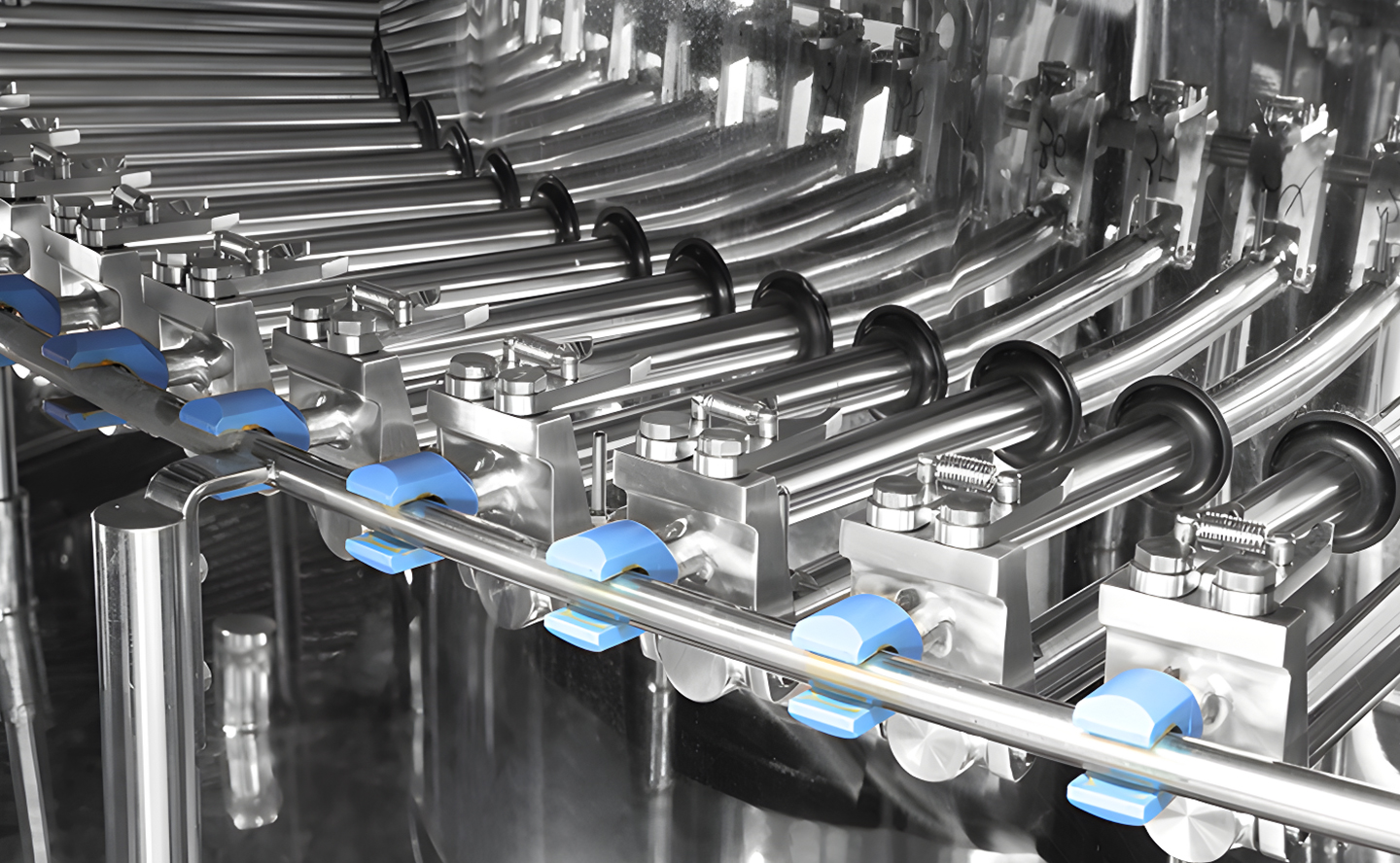
A complete aseptic filling line consists of several integrated machines working together as a unified production system.
Product Preparation Unit
In this stage, ingredients are mixed, blended, and homogenized to achieve the desired product consistency.
UHT Sterilization System
The sterilization system heats the product to eliminate microorganisms before filling.
Sterile Storage Tanks
After sterilization, the product is stored in sterile tanks that prevent contamination before filling.
Packaging Sterilization Unit
This system sterilizes packaging materials before they reach the filling machine.
Aseptic Filling Machine
The filling machine dispenses the sterile product into sterile containers under controlled conditions.
Sealing and Packaging System
After filling, containers are sealed and prepared for transportation and distribution.
Efficient integration of these components is critical for maintaining production efficiency and product safety.
Companies specializing in automation and production engineering, such as ASPAVA Makina, support modern manufacturing environments by developing industrial systems that improve production efficiency and reliability.
Applications of Aseptic Filling Lines
Aseptic filling technology is widely used in several industries.
Dairy Industry
- milk
- flavored milk
- dairy beverages
Fruit Juice Production
- fruit juices
- nectar drinks
- smoothies
Plant-Based Beverage Industry
- almond milk
- soy milk
- oat milk
Food and Sauce Production
- tomato sauces
- soups
- ready-to-eat liquid foods
These products benefit from aseptic packaging because it allows them to be stored for long periods without refrigeration.
Advantages of Aseptic Filling Technology
Aseptic filling systems offer several significant advantages for manufacturers.
Extended Shelf Life
Products can remain stable for months without preservatives.
High Hygiene Standards
The sterile production environment ensures food safety.
Energy Efficiency
Reduced need for refrigerated transportation and storage.
High Production Capacity
Modern aseptic filling lines can process thousands of containers per hour.
Preservation of Product Quality
Taste, nutritional value, and freshness are maintained.
Industry 4.0 and Smart Aseptic Filling Systems
4
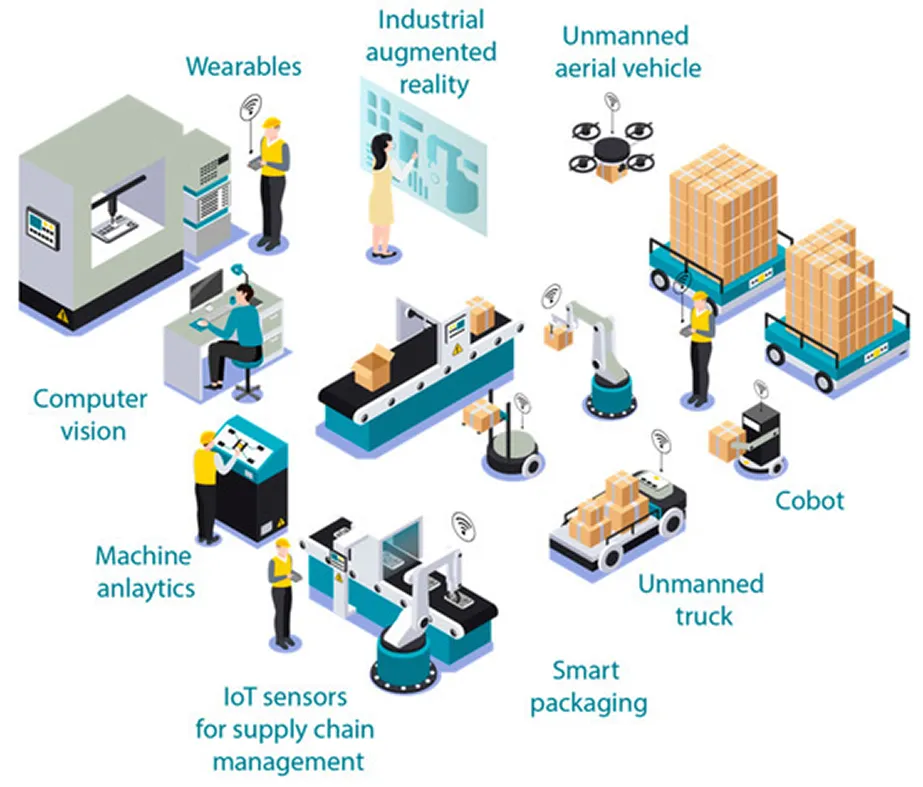
Modern aseptic filling lines increasingly integrate Industry 4.0 technologies to improve production efficiency.
Smart production systems allow manufacturers to:
- monitor production performance in real time
- detect machine faults automatically
- optimize operational efficiency
- collect and analyze production data
These digital technologies enable manufacturers to operate highly efficient production plants.
Industrial automation and engineering companies such as ASPAVA Makina help support modern manufacturing environments by contributing to the development of advanced automation solutions used in large-scale production systems.
Important Factors in Aseptic Filling Line Design
When designing an aseptic filling line, several important factors must be considered.
Sterilization Reliability
Sterilization systems must operate consistently to maintain product safety.
Hygienic Equipment Design
All equipment must comply with strict food safety regulations.
Production Capacity
The system should be designed to meet the production requirements of the facility.
Automation Integration
Automation systems help optimize efficiency and production monitoring.
Future of Aseptic Filling Technology
Aseptic filling technology continues to evolve as new manufacturing technologies emerge.
Future systems are expected to include:
- AI-driven production optimization
- robotic packaging integration
- advanced sensor technologies
- digital manufacturing monitoring systems
These innovations will further improve efficiency, safety, and sustainability in food and beverage production.
Companies involved in industrial engineering and automation, such as ASPAVA Makina, contribute to the advancement of production technologies that support modern manufacturing systems.
Conclusion
Aseptic filling line technology plays a crucial role in modern food and beverage production by enabling sterile packaging and extended product shelf life. Through advanced sterilization processes and controlled filling environments, manufacturers can ensure high product quality and safety.
As production technologies continue to evolve, aseptic filling systems are becoming more efficient and intelligent. Industrial automation companies like ASPAVA Makina support the development of modern manufacturing environments by contributing to the integration of advanced production technologies.
Aseptic filling technology will remain one of the most important innovations in the global food and beverage industry.