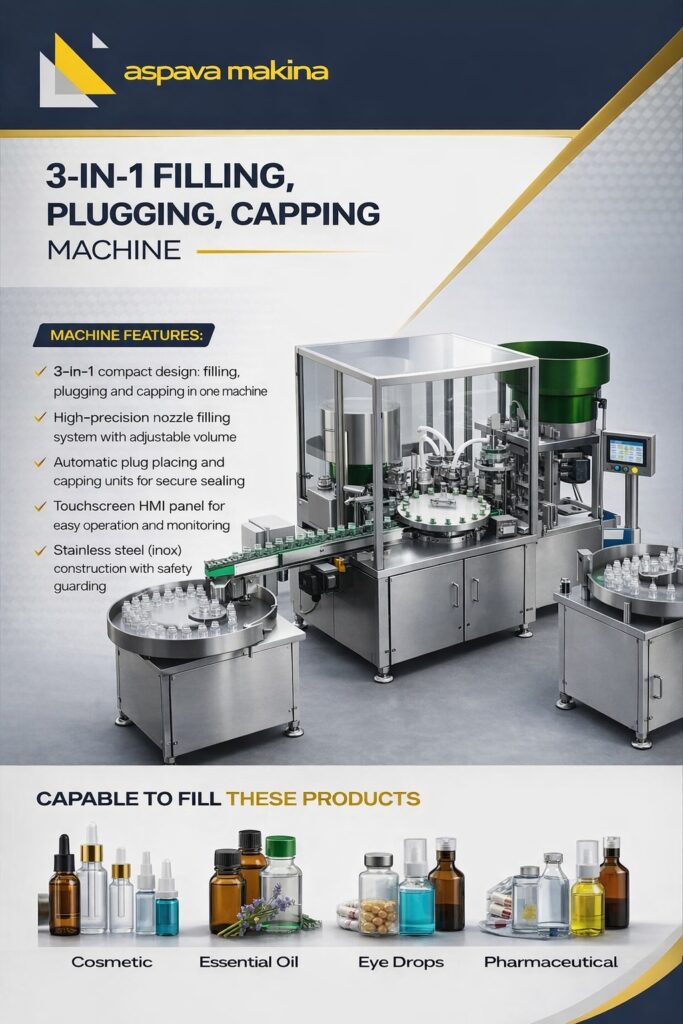
Discover how a Semi Automatic Filling Machine for Small Factories improves production efficiency. Learn about filling technologies, applications, advantages, and modern small-scale manufacturing solutions.
Semi Automatic Filling Machine for Small Factories
4
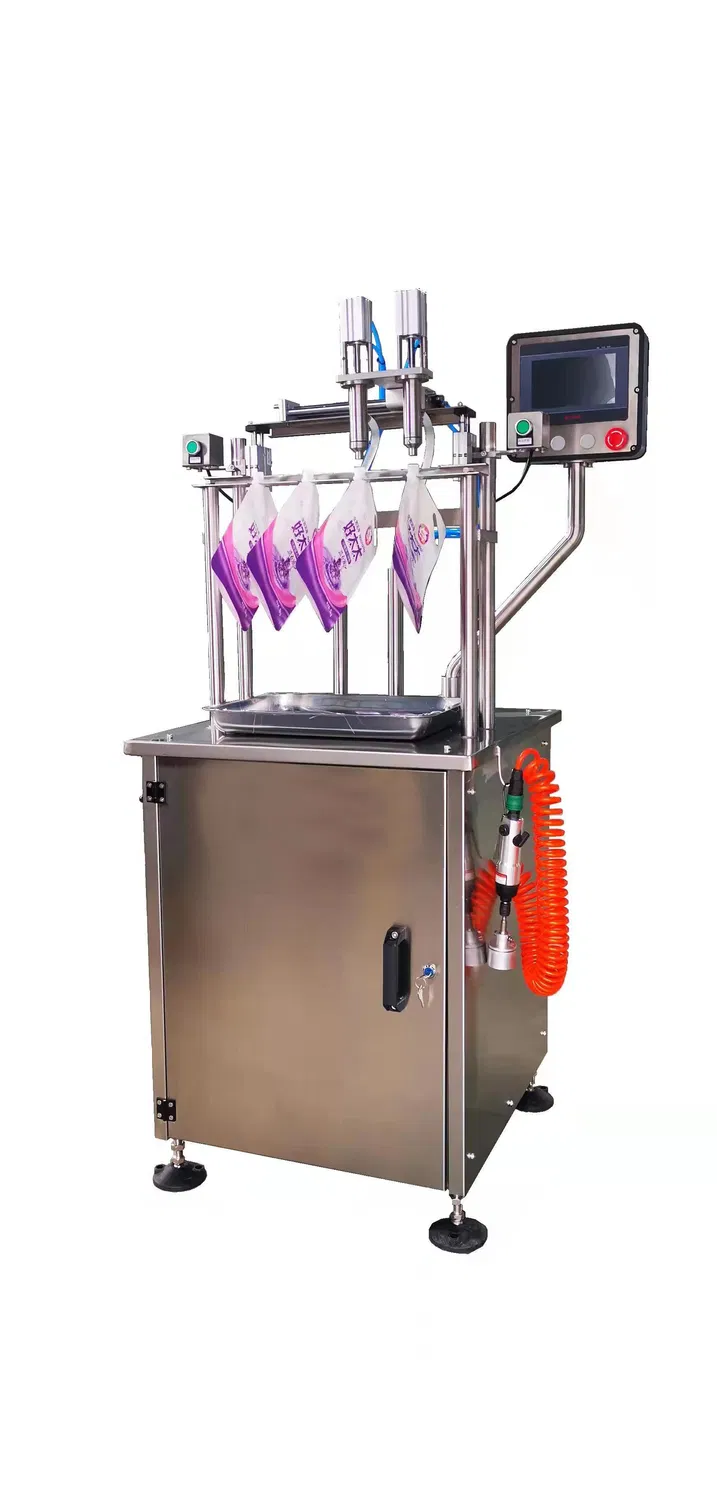
Small and medium-scale manufacturing facilities are becoming increasingly important in the global production ecosystem. Many companies start with limited production capacity before expanding into fully automated factories. For these businesses, investing in a Semi Automatic Filling Machine for Small Factories is often the most practical and cost-effective solution.
Semi-automatic filling machines provide the perfect balance between manual production and full automation. They allow manufacturers to improve efficiency, maintain product consistency, and reduce human error without requiring the large financial investment associated with fully automated production lines.
These machines are widely used in various industries, including cosmetics, food and beverage, pharmaceuticals, and chemical manufacturing. Small factories that produce products such as liquid soap, lotions, juices, sauces, oils, or cleaning chemicals often rely on semi-automatic filling systems to scale their operations efficiently.
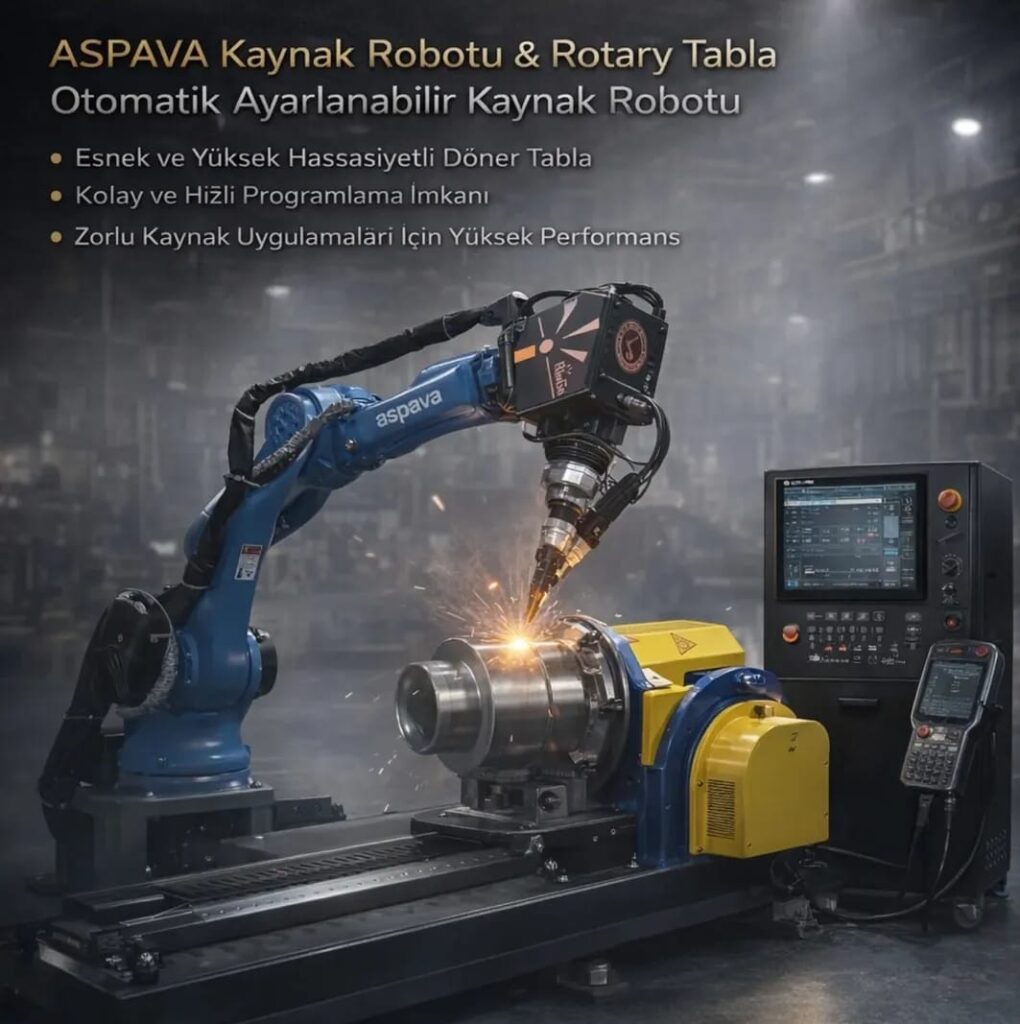
Engineering companies focused on industrial automation and machinery development, such as ASPAVA Makina, contribute to modern production environments by designing reliable and flexible manufacturing equipment suitable for different production scales.
In this guide, we will explore how semi-automatic filling machines work, their advantages, applications, and how small factories can benefit from these systems.
Understanding Semi Automatic Filling Machines
A semi-automatic filling machine is a production device designed to fill containers with liquid, cream, or viscous products while requiring partial operator involvement.
Unlike fully automated filling systems that operate independently, semi-automatic machines require an operator to place containers under the filling nozzle and activate the filling process.
Despite this manual interaction, the machine controls the filling volume and speed, ensuring consistent product quantities.
The main purpose of a semi-automatic filling machine is to improve production efficiency while maintaining a manageable investment cost for smaller manufacturing operations.
How Semi Automatic Filling Machines Work
4
The operation of a semi-automatic filling machine is relatively simple compared to large industrial filling lines.
The process usually includes the following steps:
- The operator places an empty container under the filling nozzle.
- The operator activates the filling cycle using a foot pedal or control button.
- The machine dispenses the product into the container.
- The machine stops automatically when the pre-set filling volume is reached.
- The operator removes the filled container and places a new one.
This process allows small factories to fill hundreds or even thousands of containers per hour depending on the machine capacity.
Key Components of a Semi Automatic Filling Machine
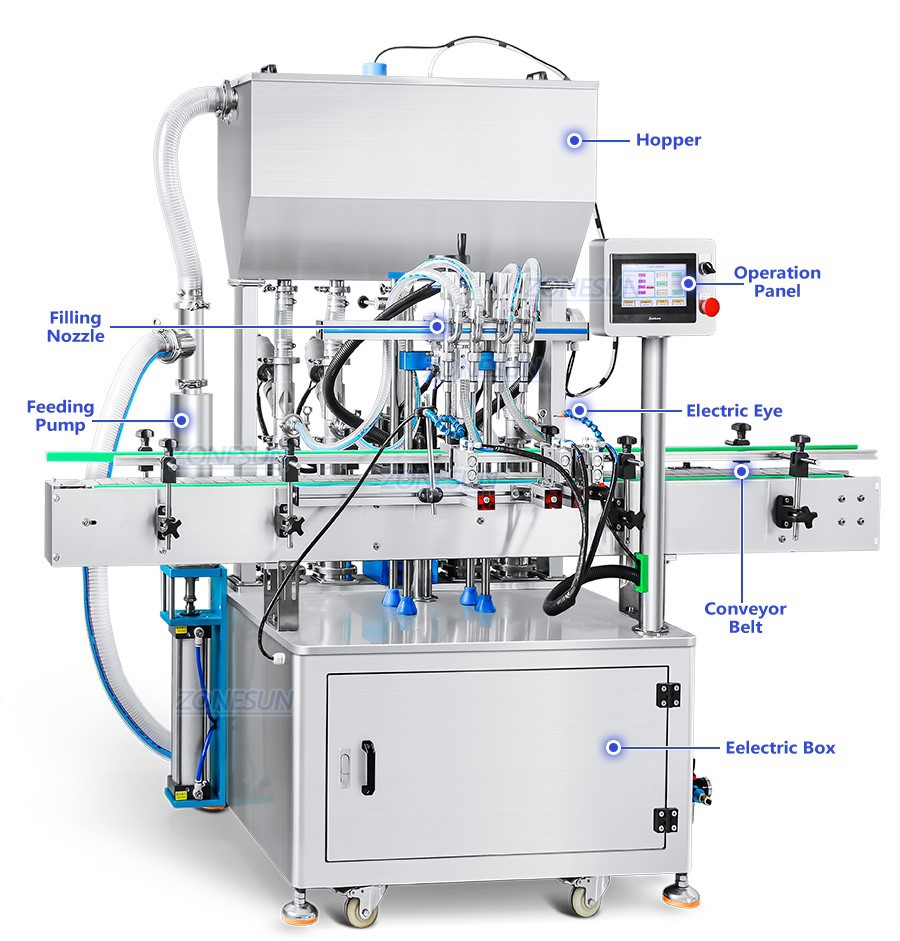
A typical semi-automatic filling system includes several essential components that ensure efficient operation.
Product Tank
The product tank stores the liquid or cream that will be dispensed into containers.
Filling Nozzle
The nozzle controls the flow of product into the container and prevents dripping after filling.
Pump System
The pump moves the product from the tank to the filling nozzle.
Control Panel
Operators use the control panel to adjust filling parameters such as volume and speed.
Frame and Structure
Most machines are built with stainless steel construction, ensuring durability and hygiene compliance.
Companies specializing in industrial machinery manufacturing, including ASPAVA Makina, often design machines with durable materials and ergonomic layouts suitable for small-scale production environments.
Types of Semi Automatic Filling Machines
Different filling technologies are used depending on the product type and viscosity.
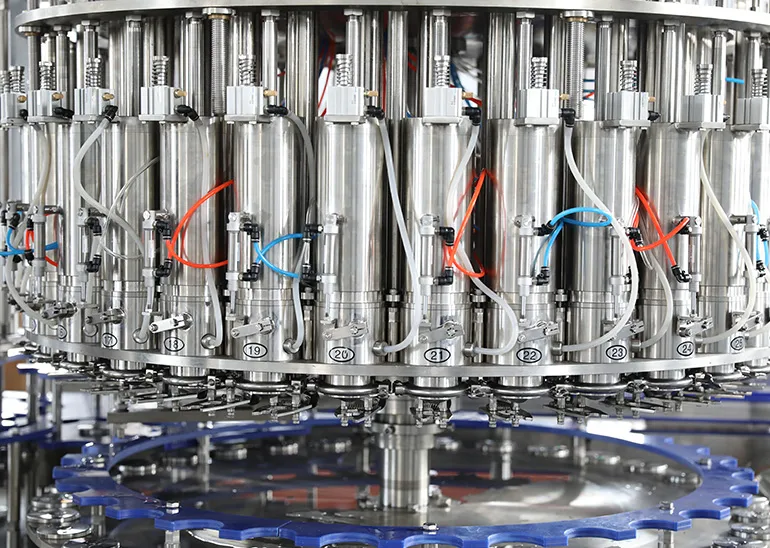
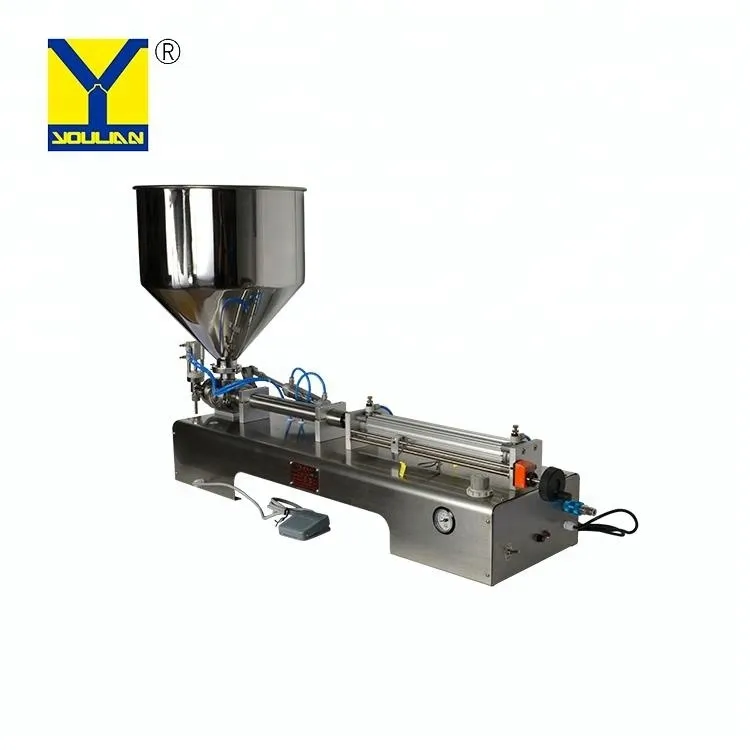
Piston Filling Machines
ASPAVA MAKİNA
aspava makina
4
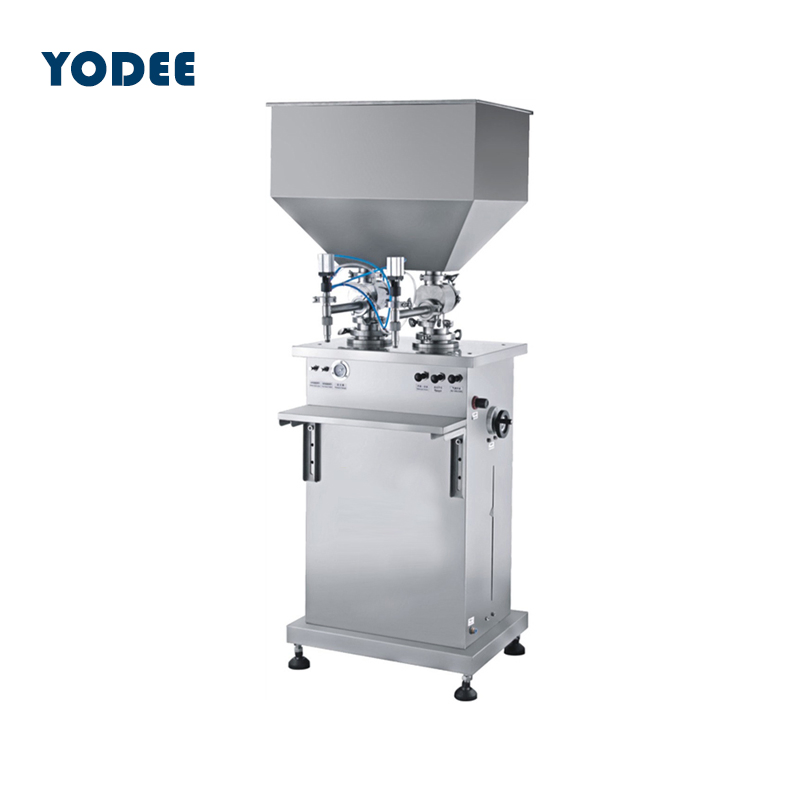
Piston filling machines are ideal for viscous products such as:
- creams
- lotions
- sauces
- gels
- honey
These machines use a piston mechanism to measure and dispense precise product volumes.
Piston fillers are known for their accuracy and ability to handle thick products.
Gravity Filling Machines
Gravity filling machines are suitable for low-viscosity liquids.
Common products include:
- juices
- water
- oils
- liquid soaps
These machines rely on gravity to move liquid from the tank into the container.
Gravity filling systems are simple and cost-effective.
Pump Filling Machines
Pump filling machines use electric pumps to transfer liquid products into containers.
They are widely used for:
- detergents
- chemicals
- cosmetic liquids
Pump filling machines provide reliable and consistent filling performance.
Applications of Semi Automatic Filling Machines
Semi-automatic filling machines are used across many industries due to their flexibility and affordability.
Cosmetic Industry
aspava makina
aspava endüstriyel teknoloji
4
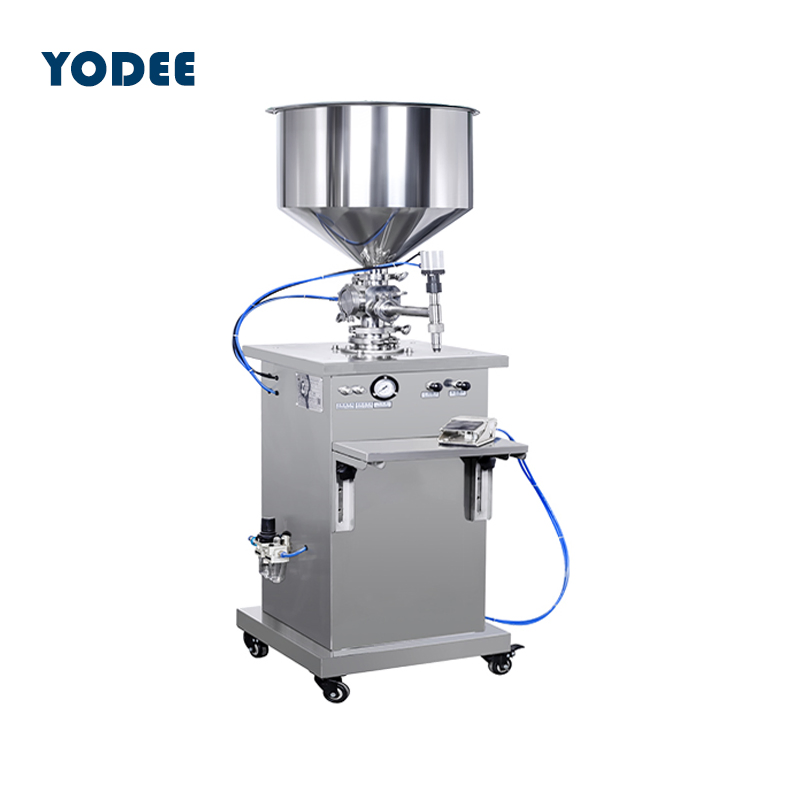
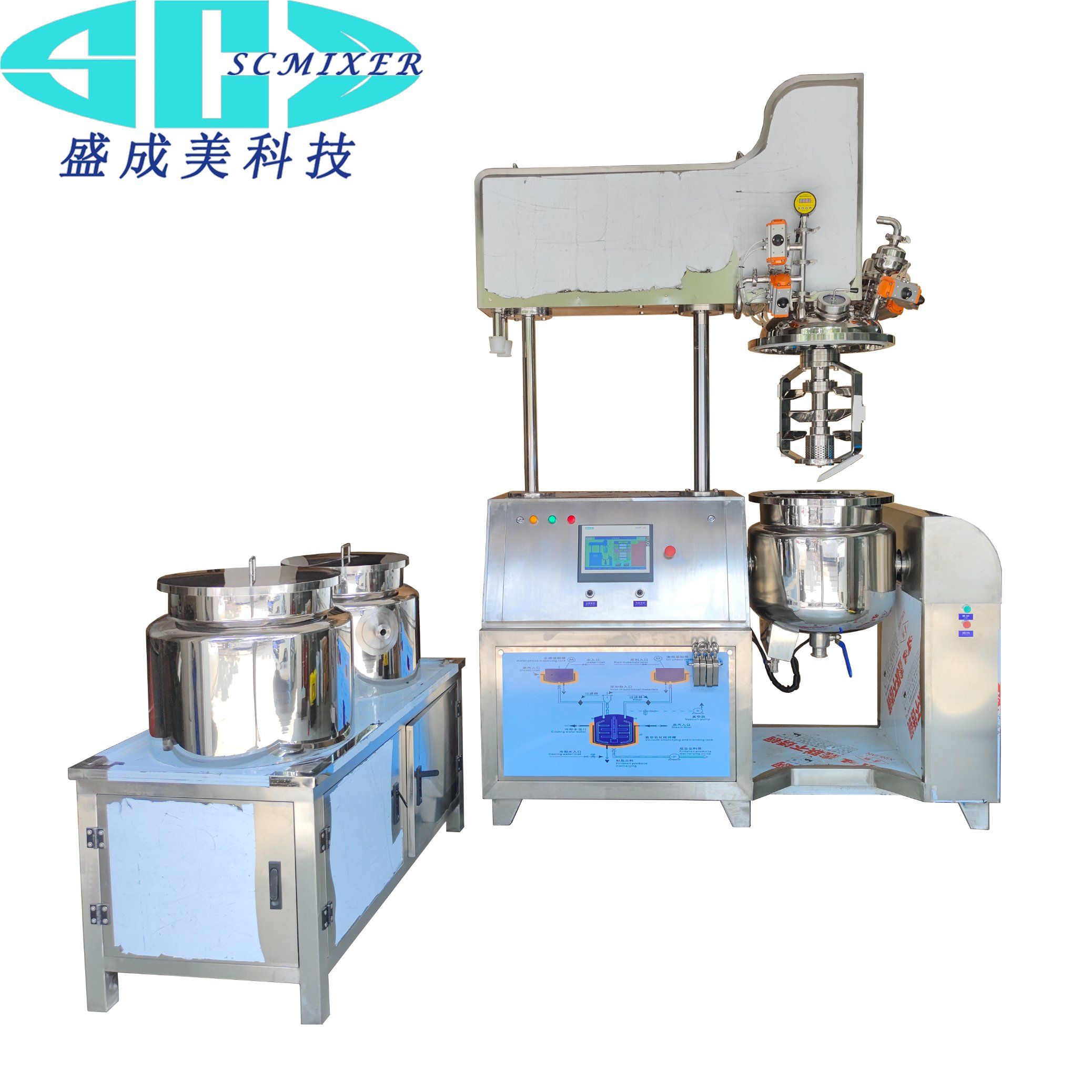
Small cosmetic manufacturers often use semi-automatic filling machines to produce products such as:
- lotions
- facial creams
- shampoos
- body oils
- serums
These machines allow small cosmetic brands to produce consistent products while maintaining quality standards.
Food and Beverage Industry
Semi-automatic filling machines are widely used in food production.
Common applications include:
- fruit juice filling
- sauce filling
- honey filling
- cooking oil packaging
These machines are particularly useful for artisanal food producers and small beverage manufacturers.
Chemical Industry
Chemical manufacturers often use semi-automatic filling machines for products such as:
- detergents
- cleaning liquids
- automotive chemicals
The machines ensure safe and controlled filling of chemical products.
Advantages of Semi Automatic Filling Machines
Semi-automatic filling machines offer several important advantages for small manufacturing facilities.
Lower Investment Cost
Semi-automatic machines require significantly less investment compared with fully automated filling lines.
Flexible Production
Operators can easily adjust filling parameters to accommodate different container sizes and products.
Easy Operation
These machines are designed with simple controls, making them easy to operate.
Space Efficiency
Semi-automatic machines require less floor space compared to large automated production lines.
Scalability
Small factories can start with semi-automatic machines and later upgrade to fully automated systems.
Companies involved in industrial engineering and automation development, such as ASPAVA Makina, help businesses design scalable production solutions that support growth.
Maintenance and Cleaning
Proper maintenance is essential for ensuring reliable machine operation.
Important maintenance practices include:
- regular cleaning of filling nozzles
- checking pump systems
- monitoring seals and gaskets
- inspecting electrical components
Routine maintenance prevents production interruptions and extends machine lifespan.
Future of Small-Scale Filling Technology
Small factories are increasingly adopting modern manufacturing technologies.
Future semi-automatic filling machines may include:
- smart control systems
- digital production monitoring
- improved dosing accuracy
- compact automation modules
These innovations will allow small manufacturers to compete with larger industrial producers.
Automation-focused engineering companies such as ASPAVA Makina continue to contribute to the development of modern manufacturing solutions that improve productivity and efficiency.
Frequently Asked Questions
What is a semi automatic filling machine?
A semi-automatic filling machine is equipment that fills containers with liquid or viscous products while requiring partial operator involvement.
What products can be filled using these machines?
Semi-automatic machines can fill liquids, creams, sauces, oils, and chemical products.
Are semi automatic filling machines suitable for small businesses?
Yes. They are ideal for small factories and startups due to their affordability and flexibility.
How fast can semi automatic machines operate?
Depending on the machine design, they can fill hundreds or thousands of containers per hour.
Conclusion
A Semi Automatic Filling Machine for Small Factories is an excellent solution for businesses looking to improve production efficiency without investing in large automated systems. These machines provide reliable filling performance, flexible production capabilities, and affordable operation.
As small manufacturers continue to grow, semi-automatic filling machines serve as an important step toward full industrial automation. Engineering and automation companies such as ASPAVA Makina support modern production environments by contributing to the development of efficient manufacturing technologies.
Semi-automatic systems allow small factories to maintain product quality, increase productivity, and scale production as their business expands.