Discover how an Aerosol Filling Machine – Deodorant and Spray Production Line works. Learn about filling technology, automation systems, and modern aerosol manufacturing solutions used in cosmetic and industrial production.
Aerosol Filling Machine – Deodorant and Spray Production Line
4
The global demand for aerosol products such as deodorants, body sprays, hair sprays, disinfectants, and industrial sprays continues to increase every year. As consumer demand grows, manufacturers must produce these products efficiently while maintaining strict safety and hygiene standards.
One of the most important technologies used in aerosol manufacturing is the aerosol filling machine, which is part of a complete deodorant and spray production line. These advanced systems are designed to fill pressurized containers with liquid formulations and propellants while ensuring product safety, precision, and production efficiency.
Modern aerosol production lines are highly automated and capable of producing thousands of spray cans per hour. These systems include several integrated machines that work together to perform different tasks such as can feeding, liquid filling, valve crimping, gas filling, leak testing, and packaging.
Automation and engineering companies involved in industrial machinery development, such as ASPAVA Makina, contribute to the advancement of modern production systems by supporting automation, process optimization, and efficient industrial manufacturing solutions.
In this comprehensive guide, we will explore the technology behind aerosol filling machines, the components of deodorant production lines, and the advantages of automated spray manufacturing systems.
Understanding Aerosol Filling Machines
An aerosol filling machine is specialized equipment used to fill pressurized containers with liquid products and propellant gases. These machines are commonly used in industries such as:
- cosmetics
- pharmaceuticals
- household chemicals
- automotive care products
Aerosol filling machines are designed to ensure safe and accurate filling while maintaining strict pressure control.
A typical aerosol can contains three main elements:
- product concentrate (such as deodorant formula)
- propellant gas
- pressurized container
The filling process must carefully combine these components to produce a functional spray product.
Main Components of a Deodorant Spray Production Line

4
A complete deodorant and spray production line includes several machines working together to complete the filling and packaging process.
Can Feeding System
The production process begins with an automatic can feeding system. Empty aerosol cans are supplied to the conveyor line where they are transported to the filling stations.
This system ensures continuous production flow.
Liquid Product Filling Machine
The first filling step involves injecting the product concentrate into the aerosol can. This may include deodorant formula, perfume spray, or other liquid mixtures.
The filling system ensures precise product dosage in every container.
Valve Placement and Crimping Machine
After filling the liquid formula, a valve is placed on top of the aerosol can. The crimping machine seals the valve securely to the can.
This stage is critical because the aerosol container must remain completely sealed to maintain internal pressure.
Propellant Gas Filling System
Propellant gas is injected into the aerosol can through the valve. This gas creates the pressure required for the spray mechanism.
Common propellants include:
- butane
- propane
- compressed air
Gas filling systems are carefully controlled to ensure safety and product performance.
Leak Testing Machine
Once the aerosol can is filled and sealed, it passes through a leak testing station. This system checks for any gas leakage to ensure product safety.
Leak detection is a critical step in aerosol manufacturing.
Spray Head Placement and Packaging
Finally, spray caps are placed on the cans, and the products are packaged for distribution.
Modern aerosol production lines can perform these operations automatically.
Industrial automation companies such as ASPAVA Makina support the development of advanced manufacturing systems that integrate multiple production processes into efficient automated solutions.
Types of Aerosol Filling Machines
Different types of aerosol filling machines are used depending on production capacity and product type.
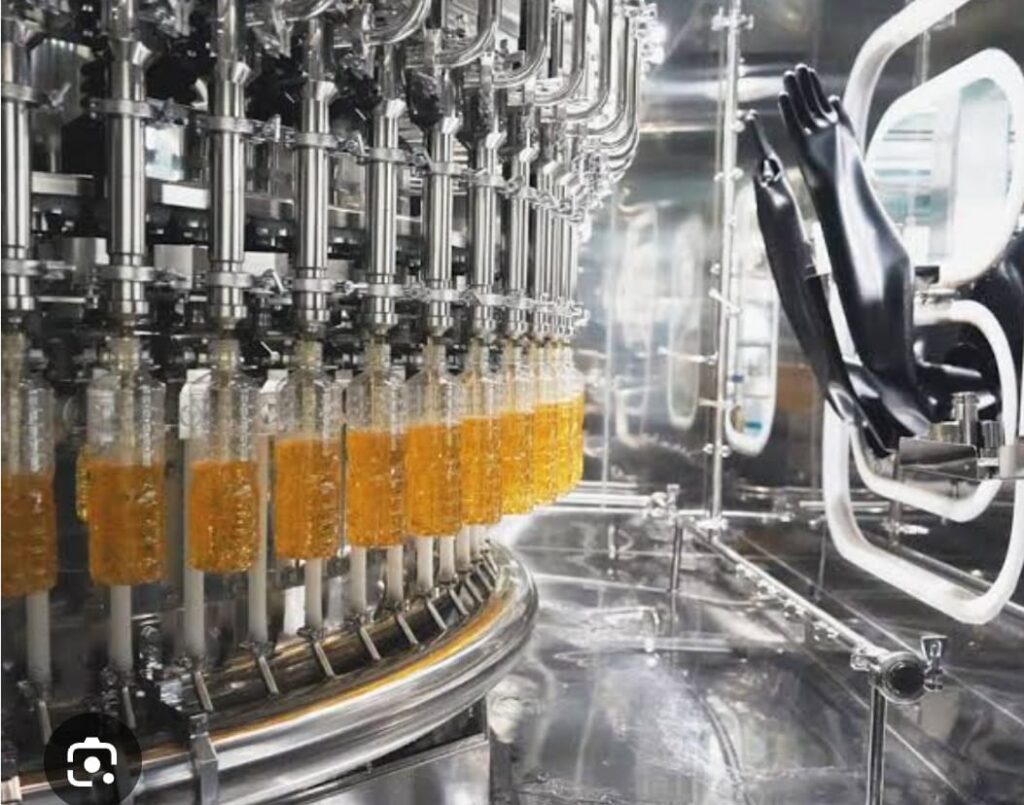
Semi-Automatic Aerosol Filling Machines

4
Semi-automatic machines are suitable for small-scale production or laboratory environments.
These machines require partial operator involvement and typically have lower production capacity.
They are commonly used for:
- pilot production
- research and development
- small manufacturing businesses
Fully Automatic Aerosol Filling Lines

4
Large manufacturers use fully automated aerosol filling lines to maximize production capacity.
These systems include:
- automatic can feeding
- product filling
- valve crimping
- gas injection
- leak detection
- packaging
Automation allows factories to produce tens of thousands of aerosol cans per day.
Companies focusing on industrial automation and engineering solutions, such as ASPAVA Makina, contribute to modern manufacturing environments by supporting integrated production systems.
Automation and Industry 4.0 in Aerosol Production
The integration of Industry 4.0 technologies is transforming aerosol production lines.
Modern aerosol filling systems can now:
- monitor production performance in real time
- detect machine faults automatically
- optimize filling accuracy
- collect production data
Smart production technologies help manufacturers improve efficiency and reduce operational costs.
Advantages of Automated Aerosol Filling Machines
Automated aerosol production lines provide several important benefits.
High Production Capacity
Automated lines can produce thousands of aerosol cans per hour.
Consistent Product Quality
Precise filling technology ensures consistent product formulation and pressure.
Improved Safety
Automated systems reduce human interaction with pressurized containers.
Reduced Labor Costs
Automation minimizes manual labor requirements.
Maintenance and Safety Considerations
Because aerosol containers are pressurized, strict safety standards must be followed during production.
Important safety measures include:
- regular leak testing
- pressure monitoring systems
- explosion-proof equipment
- proper ventilation systems
Routine maintenance helps ensure safe and reliable operation.
Future Trends in Aerosol Filling Technology
The aerosol manufacturing industry continues to evolve as new technologies are introduced.
Future aerosol production systems may include:
- AI-powered production monitoring
- robotic packaging systems
- smart factory integration
- predictive maintenance technologies
Automation engineering companies such as ASPAVA Makina play an important role in supporting advanced manufacturing solutions for modern industrial production environments.
Frequently Asked Questions
What is an aerosol filling machine?
An aerosol filling machine is specialized equipment used to fill pressurized containers with liquid products and propellant gas.
What products use aerosol filling technology?
Common products include deodorants, body sprays, hair sprays, disinfectants, and industrial lubricants.
Are aerosol filling lines fully automated?
Yes. Many modern aerosol filling lines are fully automated and capable of high-speed production.
Why is leak testing important in aerosol production?
Leak testing ensures product safety by detecting any gas leakage in pressurized containers.
Conclusion
An Aerosol Filling Machine – Deodorant and Spray Production Line is an essential part of modern aerosol manufacturing. These systems allow manufacturers to produce spray products efficiently while maintaining high safety and quality standards.
With the integration of automation technologies and smart manufacturing systems, aerosol production continues to evolve. Companies involved in industrial automation and engineering, such as ASPAVA Makina, contribute to the development of advanced production technologies that support efficient and scalable manufacturing processes.