Discover the complete guide to fruit juice filling lines, including filling technologies, automation systems, production efficiency, and modern beverage manufacturing solutions used in industrial plants worldwide.
The Complete Guide to Fruit Juice Filling Lines

4
The beverage industry is one of the largest sectors in global food production. Fruit juices, smoothies, and natural beverages are consumed by millions of people every day. As consumer demand increases, manufacturers must produce large quantities of beverages while maintaining strict hygiene standards, product consistency, and production efficiency.
One of the most critical systems in modern beverage manufacturing is the fruit juice filling line. These advanced production systems are responsible for accurately filling bottles or containers with fruit juice while maintaining speed, hygiene, and product quality.
A fruit juice filling line typically includes several integrated machines that work together as a complete production system. These systems handle processes such as bottle feeding, filling, capping, labeling, and packaging. Modern filling lines are often fully automated, allowing manufacturers to achieve high production capacity with minimal manual intervention.
Industrial automation companies and engineering firms such as ASPAVA Makina contribute to the development of efficient manufacturing technologies that support modern production environments. By integrating automation systems and intelligent production solutions, beverage manufacturers can improve productivity and maintain high quality standards.
This comprehensive guide explains how fruit juice filling lines work, the technologies used in modern beverage production, and how automated systems are transforming the industry.
Understanding Fruit Juice Filling Lines
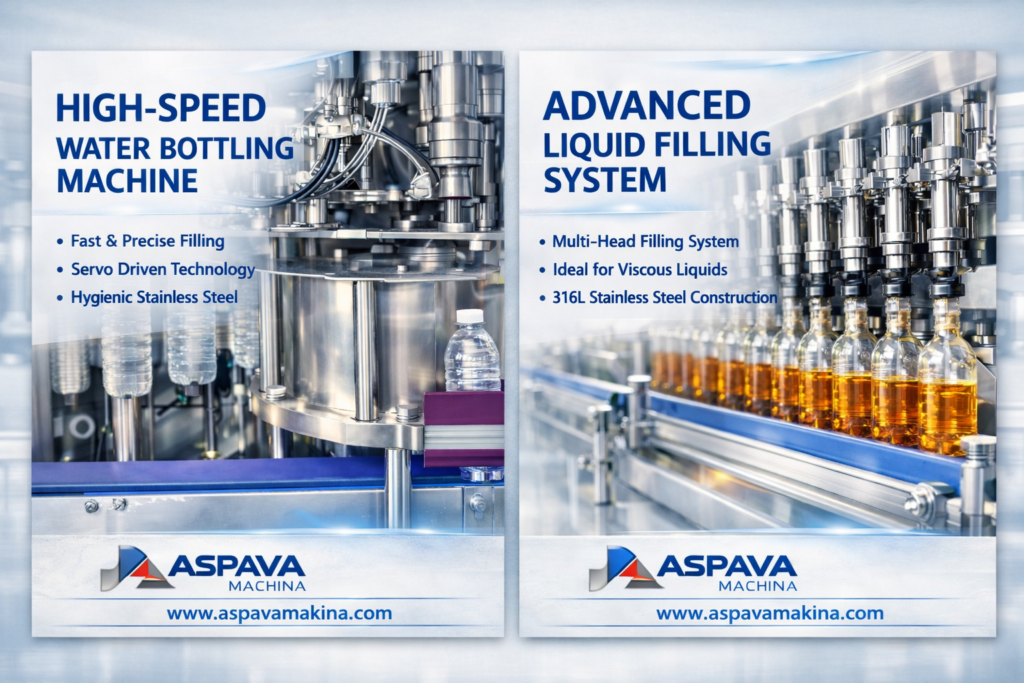
Fruit juice filling lines are automated production systems designed to fill beverage containers with liquid products efficiently and accurately. These systems are widely used in beverage factories producing fruit juices, flavored drinks, and other liquid beverages.
A typical filling line includes several machines connected through conveyor systems. Each machine performs a specific task within the production process.
The main components of a fruit juice filling line include:
- bottle feeding systems
- bottle washing machines
- juice filling machines
- capping machines
- labeling machines
- packaging equipment
These systems work together to ensure continuous and efficient production.
Modern filling lines are capable of processing thousands of bottles per hour, making them essential for large-scale beverage production.
Key Components of a Fruit Juice Filling Line
4
A fruit juice filling line consists of several essential machines that work together to complete the production process. Understanding these components helps manufacturers design efficient and reliable production systems.
Bottle Feeding System
The production process begins with bottle feeding equipment. Bottles are automatically supplied to the conveyor system where they move toward the filling station.
Bottle feeding systems ensure that bottles enter the production line in an organized and continuous flow.
Bottle Washing Machine
Before filling, bottles must be cleaned and sterilized to meet hygiene standards. Bottle washing machines use filtered water or air systems to remove dust, particles, and contaminants.
Maintaining hygiene at this stage is crucial for food safety and product quality.
Juice Filling Machine
The filling machine is the most important component of the entire system. It accurately fills each bottle with the correct amount of fruit juice.
Modern filling machines use advanced technologies to maintain precision and prevent product waste.
Capping Machine
After filling, bottles are sealed using automatic capping machines. These machines place caps on the bottles and tighten them to prevent leakage or contamination.
Labeling Machine
Labeling systems apply product labels to each bottle. Labels typically contain product information, branding, and regulatory details.
Packaging System
Finally, bottles are packed into cartons or shrink packaging for transportation and distribution.
Companies specializing in industrial engineering and automation, such as ASPAVA Makina, often contribute to the development of integrated production systems that improve efficiency in industrial manufacturing environments.
Types of Fruit Juice Filling Machines
Different beverage products require different filling technologies depending on product characteristics such as viscosity, carbonation level, and container type.
Gravity Filling Machines
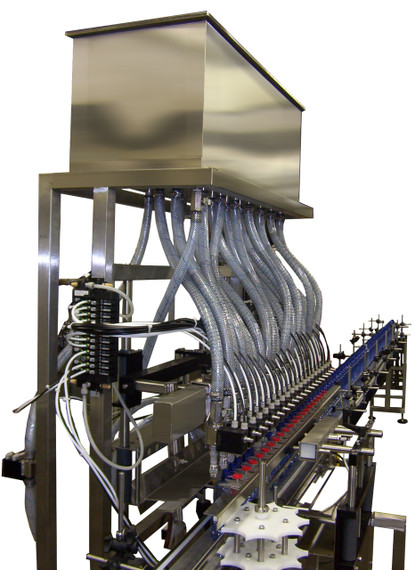
Gravity filling machines are commonly used for low-viscosity liquids such as fruit juices and flavored drinks.


4
These machines rely on gravity to fill containers. Liquid flows from the tank into the bottle through filling valves.
Gravity filling systems are simple, efficient, and widely used in beverage production.
Volumetric Filling Machines
Volumetric filling machines measure a specific volume of liquid before dispensing it into the bottle.
This method ensures highly accurate filling quantities.
Volumetric filling machines are suitable for beverage manufacturers who require consistent product volumes across large production batches.
Pressure Filling Machines
Pressure filling machines are often used for carbonated beverages or products requiring controlled filling conditions.
These machines maintain internal pressure during filling to prevent foaming and maintain product quality.
Automation in Fruit Juice Filling Lines

4
Automation has become one of the most important factors in modern beverage production.
Automated fruit juice filling lines offer several advantages:
- higher production capacity
- reduced labor costs
- improved hygiene standards
- consistent product quality
Automation systems allow machines to communicate with each other through centralized control systems.
Automation engineering companies such as ASPAVA Makina develop industrial automation solutions that support efficient manufacturing processes across various production sectors.
Industry 4.0 and Smart Beverage Production
The integration of Industry 4.0 technologies is transforming beverage production facilities around the world.
Smart production systems allow manufacturers to monitor and optimize the entire filling process.
These systems can:
- track production performance
- detect machine faults automatically
- optimize filling accuracy
- monitor energy consumption
Digital manufacturing technologies help beverage manufacturers maintain efficiency and reduce operational costs.
Benefits of Automated Fruit Juice Filling Lines
Automated filling systems offer numerous advantages compared with traditional manual production methods.
High Production Efficiency
Automated lines can produce thousands of bottles per hour.
Improved Product Consistency
Precise filling systems ensure consistent product volumes.
Enhanced Hygiene Standards
Automated equipment minimizes human contact with the product.
Reduced Operational Costs
Automation reduces labor requirements and increases production speed.
Maintenance and Operational Considerations
Proper maintenance is essential for ensuring the long-term performance of filling equipment.
Important maintenance practices include:
- regular cleaning and sanitation
- inspection of filling valves
- monitoring conveyor systems
- checking sensors and automation controls
Preventive maintenance helps avoid unexpected production downtime.
Future Trends in Beverage Filling Technology
The beverage industry continues to evolve as new technologies emerge.
Future fruit juice filling systems are expected to include:
- AI-powered production monitoring
- robotic packaging integration
- predictive maintenance systems
- fully digitalized production lines
These innovations will enable beverage manufacturers to improve productivity and maintain high product quality.
Companies focusing on industrial automation, such as ASPAVA Makina, contribute to the development of advanced manufacturing technologies that support modern industrial production.
Frequently Asked Questions
What is a fruit juice filling line?
A fruit juice filling line is an automated production system used to fill beverage containers with juice products.
How fast can fruit juice filling lines operate?
Modern filling lines can produce thousands of bottles per hour depending on machine configuration.
Are fruit juice filling lines fully automated?
Yes. Many modern systems are fully automated and include bottle feeding, filling, capping, labeling, and packaging processes.
What materials are used in filling machines?
Most machines are built using stainless steel to meet hygiene standards required for food production.
Can filling lines be customized?
Yes. Manufacturers can design filling lines tailored to specific production requirements.
Conclusion
Fruit juice filling lines play a crucial role in modern beverage manufacturing. These systems allow manufacturers to produce high volumes of juice products efficiently while maintaining strict hygiene and quality standards.
With the integration of automation technologies and smart manufacturing solutions, fruit juice production continues to become faster, safer, and more efficient. Engineering and automation companies such as ASPAVA Makina support the development of advanced production systems that help manufacturers adapt to the evolving demands of the global beverage industry.