Modern manufacturing is undergoing a major transformation driven by automation, digitalization, and intelligent production systems. Traditional CNC machining environments that relied heavily on manual operations are rapidly evolving into smart manufacturing ecosystems, where machines, robots, and production systems work together to create efficient and highly reliable manufacturing processes.
Smart manufacturing integrates advanced technologies such as robotic automation, digital monitoring systems, intelligent machining strategies, and automated workholding solutions. These systems allow manufacturers to achieve higher productivity, better process stability, and consistent product quality while reducing reliance on manual labor.
In industries where precision, repeatability, and efficiency are critical—such as aerospace, automotive, medical manufacturing, and advanced machining—smart manufacturing technologies are becoming essential for maintaining competitiveness.
Automation in Modern Manufacturing
Automation plays a central role in modern production systems. CNC machines are no longer isolated machines operated entirely by human operators. Instead, they are integrated into automated production cells that include robotic loading systems, automated pallet changers, and digital process monitoring.
Automated production systems offer several advantages.
Improved Productivity
Automated systems can operate continuously with minimal interruptions. Robots can load and unload parts faster than manual operators, allowing machines to maintain higher utilization rates.
Reduced Human Error
Manual processes are prone to variability. Automation reduces this variability by performing repetitive tasks with consistent precision.
Shorter Production Cycles
Automated machining cells allow parts to move quickly between machining operations, reducing overall production time.
Optimized Resource Utilization
Automation allows manufacturers to run multiple machines with fewer operators, improving operational efficiency.
As a result, automation has become one of the most important drivers of productivity in modern manufacturing environments.
Robot-Supported Production Systems
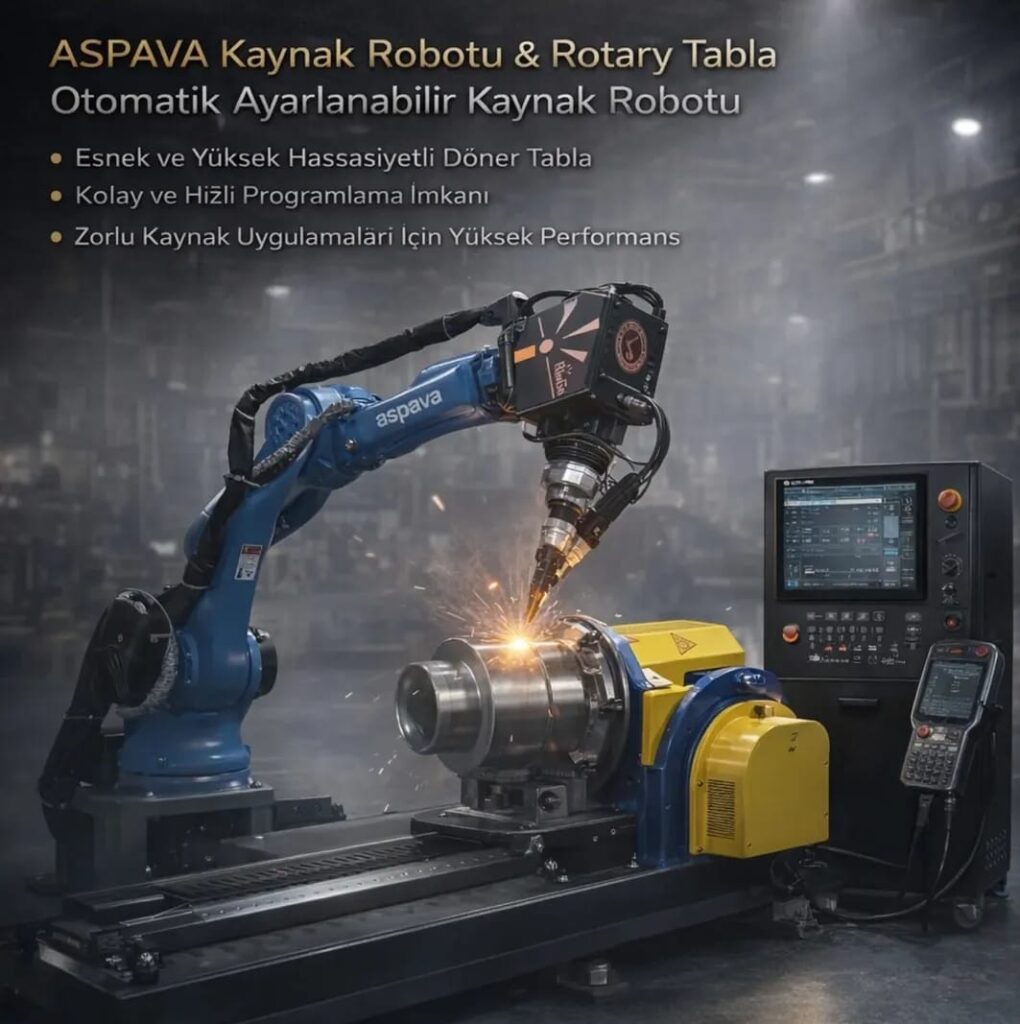
Industrial robots are increasingly used in CNC machining environments to handle repetitive tasks such as part loading, unloading, and transfer between machining stations.
Robot-assisted machining cells typically include the following components:
- CNC machining center
- robotic arm for part handling
- automated pallet systems
- fixture or clamping system
- production monitoring software
Robots perform tasks that require precision, speed, and repeatability, making them ideal for automated machining operations.
Advantages of Robotic Automation
Robotic automation provides several benefits for CNC production environments.
Consistent Process Execution
Robots repeat the same operation precisely each cycle, ensuring consistent part positioning and handling.
Continuous Operation
Automated production cells can operate during extended shifts or even unmanned production periods.
Improved Workplace Safety
Robots can handle heavy or hazardous tasks, reducing risk for human operators.
Reducing Operator Dependency
One of the major goals of smart manufacturing is reducing reliance on manual operations. Traditional CNC machining environments often require experienced operators to load parts, adjust setups, and monitor machine operations.
Automation reduces this dependency by introducing:
- robotic part handling systems
- automated fixture positioning systems
- intelligent machining strategies
- digital monitoring systems
When properly implemented, automated systems allow operators to supervise multiple machines simultaneously rather than operating a single machine manually.
This approach increases production efficiency while allowing skilled operators to focus on higher-value tasks such as process optimization and production planning.
Achieving Stable and Repeatable Quality
Consistency is one of the most important requirements in modern manufacturing. Even small variations in machining processes can lead to dimensional errors or surface quality problems.
Smart manufacturing systems improve process stability through several mechanisms.
Repeatable Workholding
Precision fixture systems ensure that each workpiece is positioned exactly the same way for every machining cycle.
Automated Process Monitoring
Sensors and digital monitoring systems track machining parameters such as spindle load, vibration, and temperature.
Controlled Machining Conditions
Automation allows cutting parameters and toolpaths to be executed with minimal variation between cycles.
These features allow manufacturers to achieve high levels of repeatability and stable product quality, even in high-volume production environments.
The Role of Workholding and Automation Systems
Workholding solutions play a critical role in automated machining environments. Fixtures must not only hold the workpiece securely but also support automated loading systems and repeatable positioning.
In automated machining cells, workholding systems must provide:
- precise and repeatable part positioning
- compatibility with robotic loading systems
- stable clamping force
- fast setup and changeover capabilities
These requirements have driven the development of advanced workholding technologies such as modular fixtures, zero-point clamping systems, and automated clamping solutions.
ASPAVA and Smart Manufacturing Solutions
As manufacturing continues to evolve toward smart production environments, companies increasingly require integrated solutions that combine precision workholding, automation compatibility, and reliable machining performance.
ASPAVA develops fixture systems and robotic automation solutions that support stable and repeatable production environments. These systems are designed to integrate seamlessly with modern CNC machining centers and automated manufacturing cells.
By providing advanced workholding solutions and automation-ready fixture systems, ASPAVA helps manufacturers improve production stability, reduce setup times, and support the transition toward smart manufacturing and robotic automation in CNC machining environments.
In modern industrial production, combining advanced CNC machining technology with intelligent workholding and automation systems is essential for achieving consistent quality and efficient manufacturing processes.