Advanced Engineering Prototyping with CNC Machining Technology
Modern product development requires rapid testing, design validation, and continuous improvement before full-scale production begins. In engineering industries such as aerospace, marine, automotive, and composite manufacturing, prototypes play a critical role in evaluating design concepts and functional performance.
One of the most efficient methods for producing prototypes today is CNC machining of high-density foam materials. These materials allow engineers to create accurate physical models directly from digital CAD designs.
With modern CNC machining technologies, complex shapes and large prototype structures can be produced quickly and efficiently using structural foam materials.
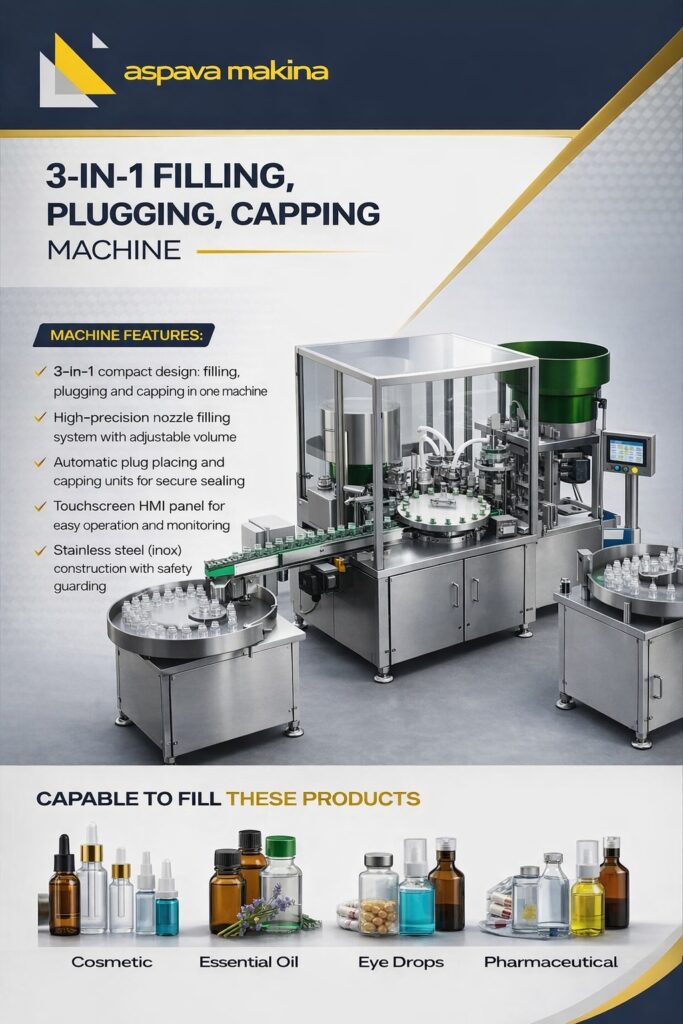
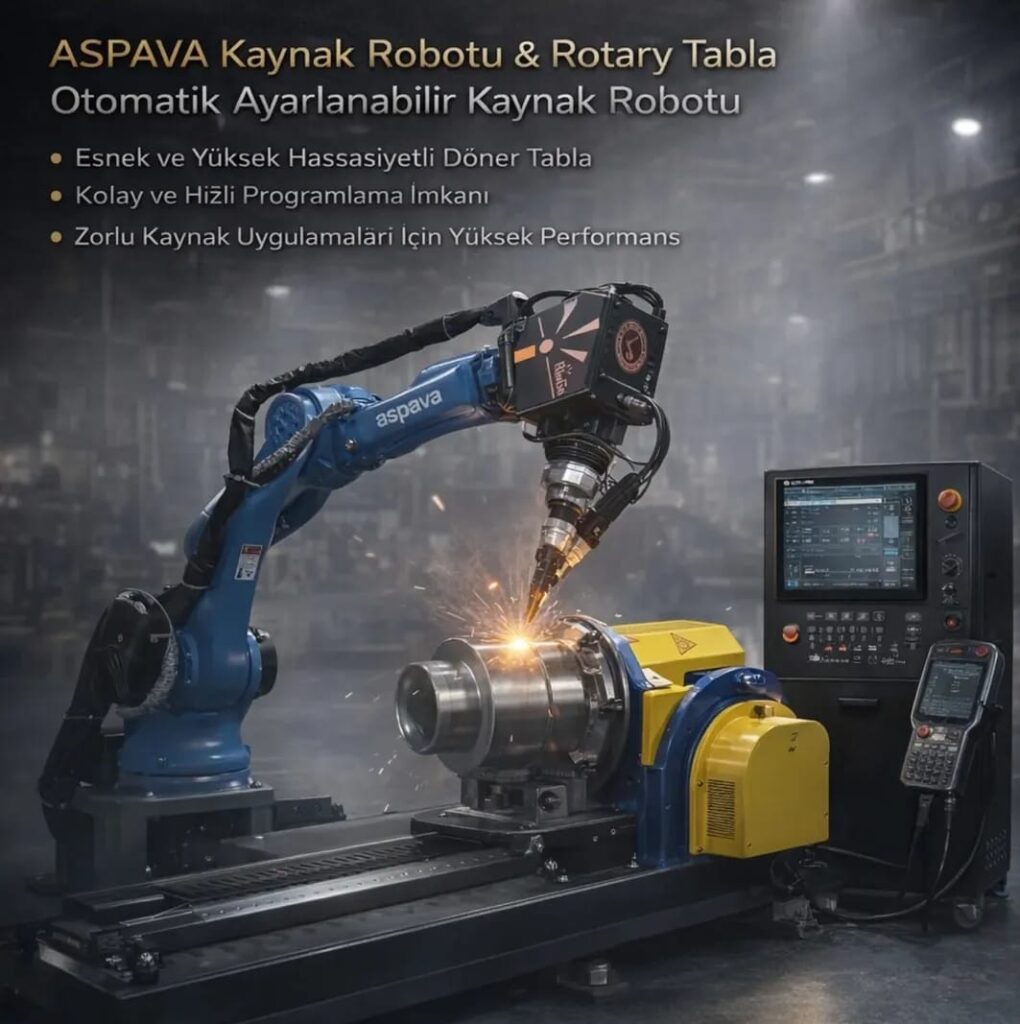
Engineering companies such as ASPAVA Engineering utilize CNC machining technologies to manufacture industrial prototypes and engineering models for different sectors.
More information about ASPAVA’s manufacturing capabilities can be found here:
https://www.aspavamakina.com
The Importance of Prototype Manufacturing in Engineering
Before a product enters mass production, engineers must evaluate the design through physical testing and validation.
Prototype manufacturing allows engineers to:
- evaluate product geometry
- test aerodynamic performance
- analyze structural integrity
- verify assembly compatibility
- reduce design risks
Without prototypes, companies would face significant risks during final production stages.
Prototype models serve as an important bridge between digital design and physical manufacturing.
This is where CNC machining technologies play a crucial role.
CNC Machining for Prototype Production
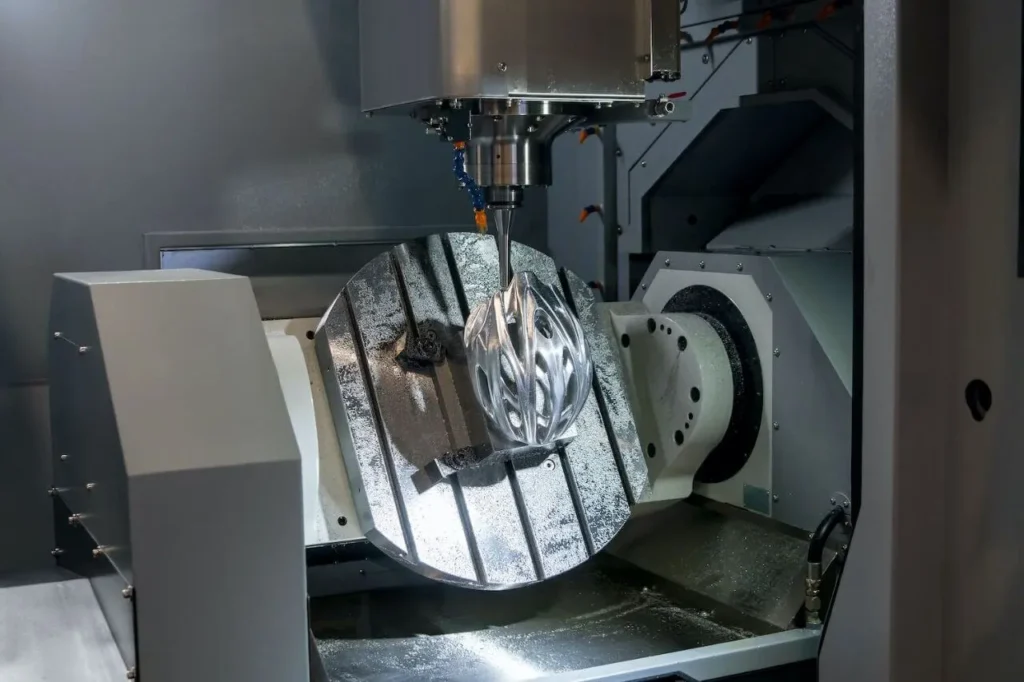
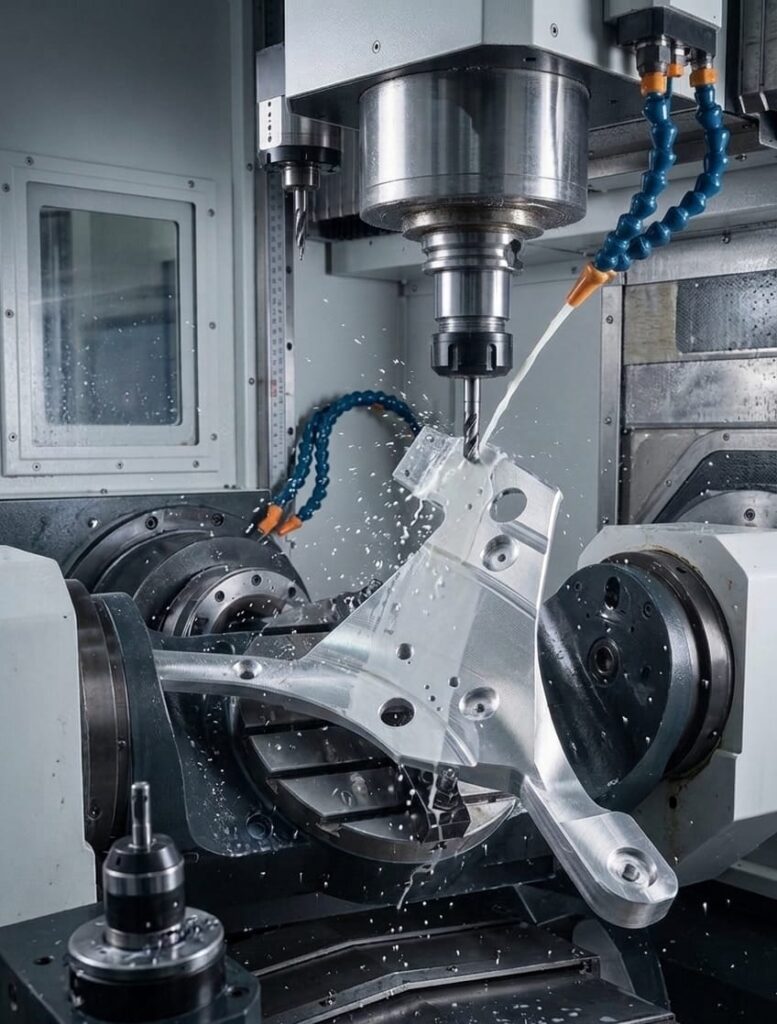
CNC machining allows engineers to convert digital CAD models directly into physical objects.
The CNC machining process typically includes the following steps:
- Creating a 3D CAD design
- Converting the design into CAM machining programs
- Machining the material using CNC tools
- Finishing and preparing the prototype model
Modern CNC machines are capable of producing extremely complex geometries with high dimensional accuracy.
Companies with advanced CNC capabilities can produce prototype components from various materials including:
- aluminum
- engineering plastics
- composite materials
- high-density foam materials
Among these materials, foam materials are particularly useful for large prototype structures.
Structural Foam Materials Used in Prototyping
High-density foam materials are widely used in engineering prototypes due to their lightweight structure and excellent machinability.
One of the most commonly used foam materials is Divinycell, a structural foam core material widely used in composite structures.
Divinycell materials are available in several density levels, including:
- Divinycell H60
- Divinycell H80
These materials are frequently used in industries such as aerospace engineering, marine manufacturing, wind energy systems, and composite tooling production.
Because these foam materials can be easily machined using CNC technology, they are ideal for producing prototype models and structural design patterns.
Advantages of CNC Foam Prototyping
Using CNC machining for foam prototypes provides several advantages compared to traditional prototype manufacturing methods.
Rapid Manufacturing
CNC machines can quickly produce prototype models directly from CAD designs, reducing development time.
Lightweight Structures
Foam materials are extremely lightweight compared to metal, making them easier to transport and manipulate during testing.
Cost Efficiency
Producing prototypes from foam materials is significantly less expensive than machining metal components.
Design Flexibility
Engineers can easily modify CAD designs and create new prototype versions quickly.
These advantages make CNC foam machining an important tool in modern product development.
Industrial Applications of CNC Foam Prototypes
Prototype models produced using CNC foam machining are used in many engineering industries.
Aerospace Engineering
In aerospace engineering, prototypes are essential for aerodynamic testing and structural evaluation.
Engineers frequently use foam models to test wing structures, fuselage designs, and aerodynamic surfaces.
Because foam materials are lightweight and easy to machine, they allow engineers to produce large aerodynamic models efficiently.
Marine Industry
Boat and yacht manufacturers use foam prototypes to test hull shapes and structural components.
CNC machining allows manufacturers to produce accurate marine models used during design and development stages.
Foam cores are also widely used in composite boat construction.
Wind Energy Industry
Wind turbine blades require extremely precise aerodynamic design.
During development, engineers often produce foam models of turbine blades to analyze airflow and performance.
CNC foam machining allows these models to be produced quickly and accurately.
Composite Tooling Manufacturing
Composite manufacturing frequently requires molds and master patterns.
Foam materials are often used to create the initial patterns used to produce fiberglass or carbon fiber molds.
CNC machining enables engineers to create highly accurate master models for composite production.
ASPAVA Engineering and Prototype Manufacturing
Companies with strong engineering capabilities and advanced machining technology are able to support complex prototype manufacturing processes.
ASPAVA Engineering, located in Türkiye, provides CNC machining services and engineering solutions for prototype production and industrial manufacturing.
ASPAVA works in several areas including:
- CNC machining
- fixture and workholding systems
- automation solutions
- industrial prototype manufacturing
Using modern CNC technologies, ASPAVA can produce complex foam models used in industrial prototyping and engineering development.
More information about ASPAVA can be found here:
https://www.aspavamakina.com
CNC Foam Machining for Large Prototype Models
One of the biggest advantages of foam materials is the ability to produce large prototype models.
Unlike metal machining, foam machining allows engineers to manufacture large structures with relatively low weight.
This makes foam prototypes ideal for:
- aerodynamic testing models
- marine hull structures
- wind turbine blade prototypes
- composite mold patterns
Large-scale CNC foam machining allows engineers to visualize and evaluate complex structures before expensive production processes begin.
The Role of CNC Machining in Modern Product Development
Modern manufacturing is increasingly driven by digital engineering tools such as CAD and simulation software.
However, physical prototypes remain an essential part of product development.
CNC machining provides the bridge between digital design and real-world testing.
With CNC machining technologies, engineers can quickly convert digital designs into accurate physical models used for analysis and development.
Companies with advanced machining capabilities, such as ASPAVA Engineering, play an important role in supporting modern industrial innovation.
Conclusion
Prototype manufacturing using CNC foam materials has become an essential method for modern engineering industries.
From aerospace and marine engineering to composite manufacturing and wind energy systems, foam prototypes allow engineers to evaluate designs efficiently and reduce development risks.
By combining digital engineering with advanced CNC machining technologies, companies can accelerate product development and improve manufacturing efficiency.
Engineering companies such as ASPAVA Engineering contribute to this process by providing CNC machining expertise and advanced manufacturing solutions for industrial prototypes.
For more information about ASPAVA’s engineering and manufacturing capabilities, visit:
https://www.aspavamakina.com