Engineering Accuracy in the Modern Industrial World
Modern industry depends on precision. From aerospace components to medical devices and high-performance mechanical systems, the quality of modern products is determined by the accuracy of their manufacturing processes.
Among all manufacturing technologies, CNC machining stands as one of the most important tools for producing complex and high-precision components. CNC machining enables manufacturers to create parts with extremely tight tolerances, high surface quality, and consistent repeatability.
However, achieving true precision in manufacturing requires much more than advanced machines. Precision manufacturing is the result of a carefully balanced system that combines engineering knowledge, machine technology, tooling, workholding solutions, and production process control.
Understanding this system is essential for companies that aim to produce reliable and high-quality products.
What is CNC Machining?
CNC stands for Computer Numerical Control, a manufacturing technology that allows machines to be controlled by digital instructions. These instructions guide the movement of cutting tools with extremely high accuracy.
Unlike conventional machining, where operators manually control the cutting process, CNC machines follow programmed tool paths that ensure precise and repeatable operations.
This technology allows manufacturers to produce complex components that would be extremely difficult to create using manual machining methods.
CNC machining is widely used in industries such as:
- aerospace manufacturing
- automotive production
- medical device manufacturing
- mold and die production
- industrial machinery
These industries rely on CNC machining because of its ability to produce parts with consistent quality and tight dimensional tolerances.
The Meaning of Precision Manufacturing
Precision manufacturing refers to the ability to produce components with extremely high accuracy and minimal deviation from the intended design.
In many industries, tolerances are measured in microns, which means that even the smallest variation can affect the functionality of a component.
Achieving this level of precision requires several factors to work together:
- high-quality machine tools
- advanced cutting tools
- stable workholding systems
- precise measurement technologies
- controlled production processes
Precision manufacturing is not the result of a single machine or technology. Instead, it is the outcome of an engineering system designed to eliminate variability and maintain stability throughout the production process.
The Role of Stability in Precision Machining
One of the most important principles of precision manufacturing is stability.
During machining operations, the workpiece must remain completely stable while the cutting tool removes material. Any vibration, movement, or instability can result in poor surface finish, dimensional errors, or tool wear.
Stability in machining depends on several key factors:
- machine rigidity
- tool quality
- cutting parameters
- workholding systems
Among these factors, workholding is often underestimated. However, the way a part is clamped during machining can significantly influence the final machining result.
Advanced workholding and fixture systems are designed to maintain part stability and ensure repeatable positioning during machining operations.
5 Axis Machining and Complex Geometry
Modern products are becoming increasingly complex. Many industrial components include curved surfaces, angled features, and intricate geometries that require advanced machining capabilities.
This is where 5-axis CNC machining becomes essential.
Unlike traditional 3-axis machines, 5-axis machining allows the cutting tool to approach the workpiece from multiple angles. This enables manufacturers to produce complex parts in fewer setups while improving machining accuracy.
Advantages of 5-axis machining include:
- reduced setup times
- improved surface quality
- greater machining flexibility
- ability to machine complex geometries
However, 5-axis machining also requires advanced engineering solutions, particularly in the area of workholding and fixture design.
Workholding: The Hidden Key to Precision
In many machining discussions, attention is often focused on the machine tool itself. However, experienced manufacturing engineers understand that precision machining depends heavily on how the part is held during the machining process.
Workholding systems ensure that the workpiece remains securely positioned throughout the machining operation.
A well-designed workholding system must provide:
- precise positioning
- strong and stable clamping
- minimal vibration
- easy setup and repeatability
Without proper workholding, even the most advanced CNC machines cannot deliver consistent results.
For this reason, modern manufacturing environments increasingly rely on engineered workholding systems and fixture solutions designed specifically for high-precision machining operations.
Automation and the Evolution of CNC Manufacturing
Manufacturing technology continues to evolve rapidly, and automation is becoming a central part of modern production systems.
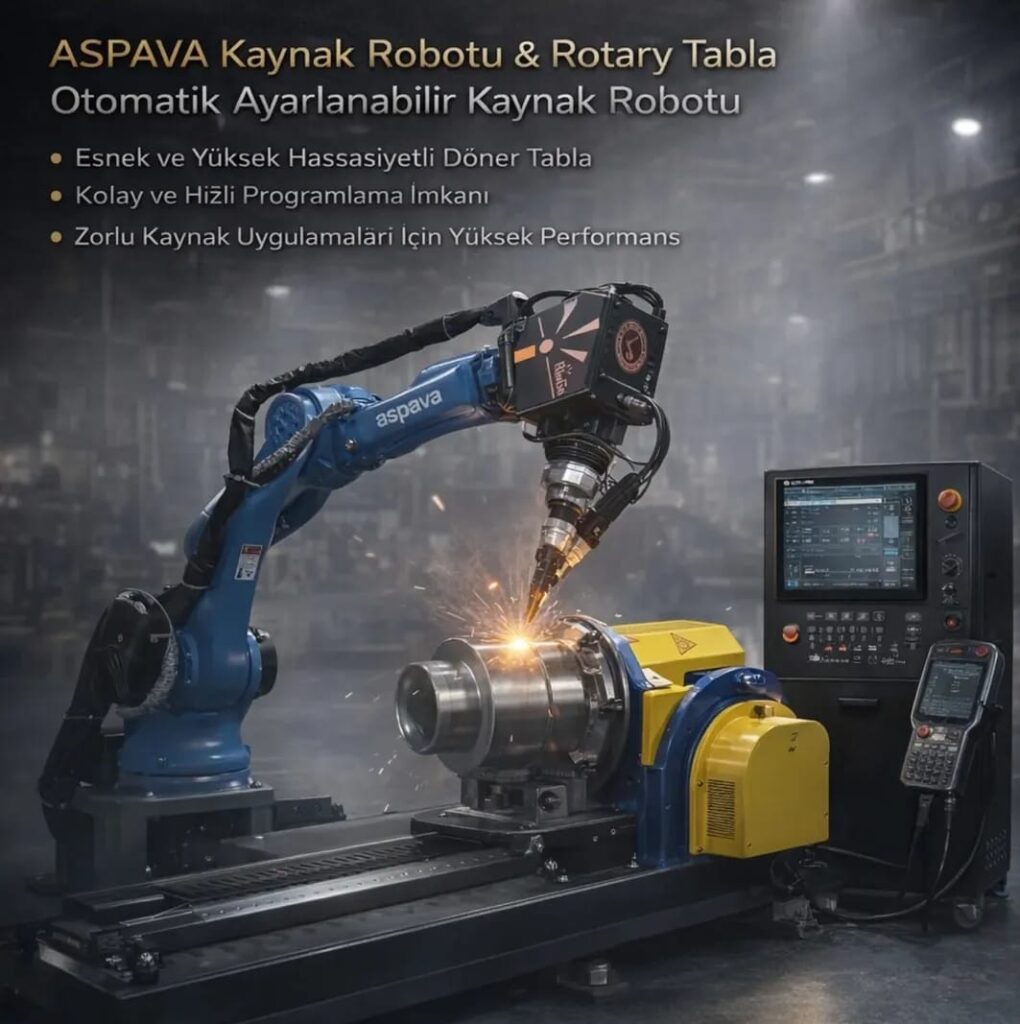
Industrial robots are now commonly integrated with CNC machines to automate tasks such as:
- loading and unloading parts
- transferring components between machines
- performing repetitive production cycles
Automation improves manufacturing efficiency while reducing operator workload and minimizing production errors.
By combining CNC machining with robotic automation and intelligent fixture systems, manufacturers can create highly efficient production environments capable of operating continuously with consistent quality.
Precision Manufacturing in the Future
The future of manufacturing will be defined by integration and intelligence.
Advanced machining technologies will increasingly be combined with automation systems, digital monitoring tools, and intelligent manufacturing strategies.
Factories of the future will rely on production systems where machines, robots, and engineering solutions work together to create stable and efficient manufacturing processes.
Companies that invest in precision engineering, automation technologies, and advanced manufacturing solutions will play a key role in shaping the next generation of industrial production.