The rapid development of robotic automation and smart manufacturing technologies has significantly transformed CNC machining environments. Traditional machining processes often relied heavily on manual operations such as part loading, unloading, and process monitoring. Today, many modern production facilities integrate robotic automation systems with CNC machines to improve productivity, consistency, and operational efficiency.
Robotic automation allows manufacturers to operate machining systems continuously, reduce operator workload, and maintain consistent quality throughout production. In high-volume manufacturing environments, automation has become an essential component of competitive and efficient production systems.
Industries such as automotive, aerospace, electronics, medical device manufacturing, and precision engineering increasingly rely on robotic CNC automation to support flexible and reliable production.
Robot Loading Systems in CNC Machining
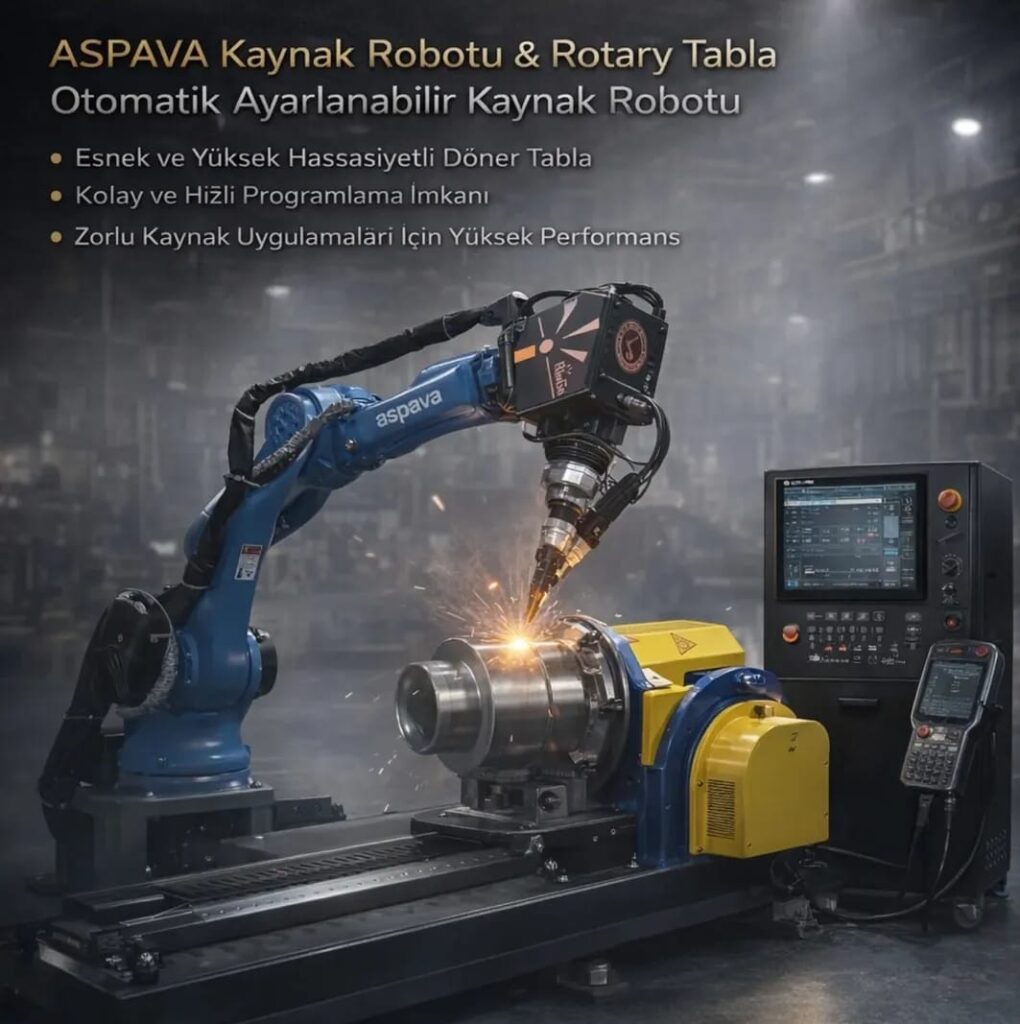
Robot loading systems are one of the most widely used automation technologies in CNC machining environments. These systems use industrial robotic arms to automatically load and unload workpieces from CNC machines.
A typical robotic CNC loading system consists of several integrated components:
- industrial robotic arm
- CNC machining center
- fixture or workholding system
- part storage system or pallet station
- control software and safety system
The robotic arm retrieves raw parts from a storage location and places them precisely into the machining fixture. After machining is completed, the robot removes the finished part and places it in a designated output area.
Advantages of Robot Loading Systems
Robot-assisted CNC machining offers several key benefits.
Increased Productivity
Robots can load and unload parts faster and more consistently than manual operators, allowing machines to operate at higher utilization levels.
Consistent Part Positioning
Robots place parts in fixtures with highly repeatable accuracy, reducing the risk of positioning errors.
Reduced Operator Fatigue
Manual loading of heavy or repetitive parts can lead to operator fatigue and errors. Robots eliminate these issues.
Improved Workplace Safety
Robots can safely handle hazardous or heavy tasks that might pose risks to human operators.
As a result, robot loading systems are becoming a standard feature in many modern machining facilities.
Lights-Out Manufacturing
One of the most advanced applications of robotic automation in CNC machining is lights-out manufacturing. This concept refers to fully automated production environments that can operate without human supervision for extended periods.
In a lights-out machining system, robots manage tasks such as:
- loading and unloading workpieces
- transferring parts between machines
- initiating machining cycles
- monitoring production status
These systems allow production to continue overnight or during non-working hours, significantly increasing machine utilization and productivity.
Requirements for Lights-Out Production
Successful lights-out machining requires several key components.
Reliable Automation Systems
Robots and automation systems must operate with high reliability and minimal failure risk.
Stable Workholding Solutions
Fixtures must ensure that parts are positioned correctly every time without manual adjustments.
Tool Monitoring Systems
Automated systems must detect tool wear or breakage to prevent defective parts.
Process Monitoring
Sensors and monitoring software track machining performance and alert operators if problems occur.
When properly implemented, lights-out manufacturing can dramatically increase production efficiency while reducing operational costs.
Automated Machining Cells
Automated machining cells represent the next step in the evolution of CNC automation. These systems combine multiple machines, robotic systems, and automation technologies into a fully integrated production environment.
A typical automated machining cell may include:
- multiple CNC machining centers
- robotic material handling systems
- automated pallet changers
- centralized control software
- automated inspection systems
These integrated systems allow manufacturers to produce complex parts with minimal human intervention.
Benefits of Automated Machining Cells
Automated machining cells provide several important advantages.
Higher Production Efficiency
Machines operate continuously with minimal downtime between operations.
Improved Production Flexibility
Automation systems can be programmed to handle different part types and production batches.
Consistent Process Quality
Automated systems reduce variation between production cycles, improving product quality.
Scalable Manufacturing
Additional machines or robotic systems can be added to expand production capacity.
For manufacturers aiming to implement smart factory concepts, automated machining cells form a key component of advanced production systems.
Smart Manufacturing Systems in CNC Production
Robotic automation is closely linked with the broader concept of smart manufacturing systems. Smart manufacturing integrates automation, digital monitoring technologies, and intelligent control systems to optimize production processes.
Key technologies in smart manufacturing include:
- industrial robots
- machine connectivity and data collection
- digital production monitoring
- predictive maintenance systems
- automated quality inspection
These technologies allow production systems to operate more efficiently while providing real-time data on machine performance and production output.
By combining CNC machining with smart automation technologies, manufacturers can create production systems that are more efficient, more flexible, and more reliable.
ASPAVA’s Role in Robotic CNC Automation
As manufacturing systems evolve toward higher levels of automation, the integration of robotics and precision workholding becomes increasingly important.
ASPAVA designs integrated robotic automation systems that support fully automated CNC production. These systems combine advanced fixture solutions with automation-ready designs, allowing robotic systems to load and unload workpieces with high precision and repeatability.
ASPAVA’s solutions support modern manufacturing environments by providing:
- automation-compatible fixture systems
- stable workholding solutions for robotic loading
- integrated automation solutions for CNC machining cells
- reliable production systems for high-volume manufacturing
By integrating robotics, intelligent fixtures, and automated production systems, manufacturers can significantly increase machining efficiency while maintaining consistent product quality.
Conclusion
Robotic automation is transforming CNC machining environments by enabling higher productivity, improved precision, and more reliable production processes.
Technologies such as robot loading systems, lights-out manufacturing, and automated machining cells allow manufacturers to operate machines continuously while maintaining consistent quality standards.
As smart manufacturing continues to evolve, integrating robotics with CNC machining and advanced workholding solutions will play a critical role in achieving efficient and scalable production systems. Companies that adopt these technologies will be better positioned to meet the demands of modern manufacturing and maintain competitiveness in global markets.