High precision machining requires much more than advanced CNC machines and sophisticated CAM software. One of the most critical elements influencing machining accuracy, stability, and repeatability is industrial workholding. Workholding systems ensure that the workpiece remains securely positioned during machining operations while maintaining strict geometric tolerances.
In industries such as aerospace, medical device manufacturing, mold and die production, and precision engineering, machining tolerances often reach micron-level accuracy. Achieving this level of precision requires carefully designed workholding systems that minimize deformation, vibration, and positioning errors.
Industrial workholding solutions are therefore a fundamental part of modern manufacturing systems, particularly when machining complex geometries or difficult materials.
Principles of Industrial Workholding

4
Industrial workholding systems are designed based on three fundamental engineering principles:
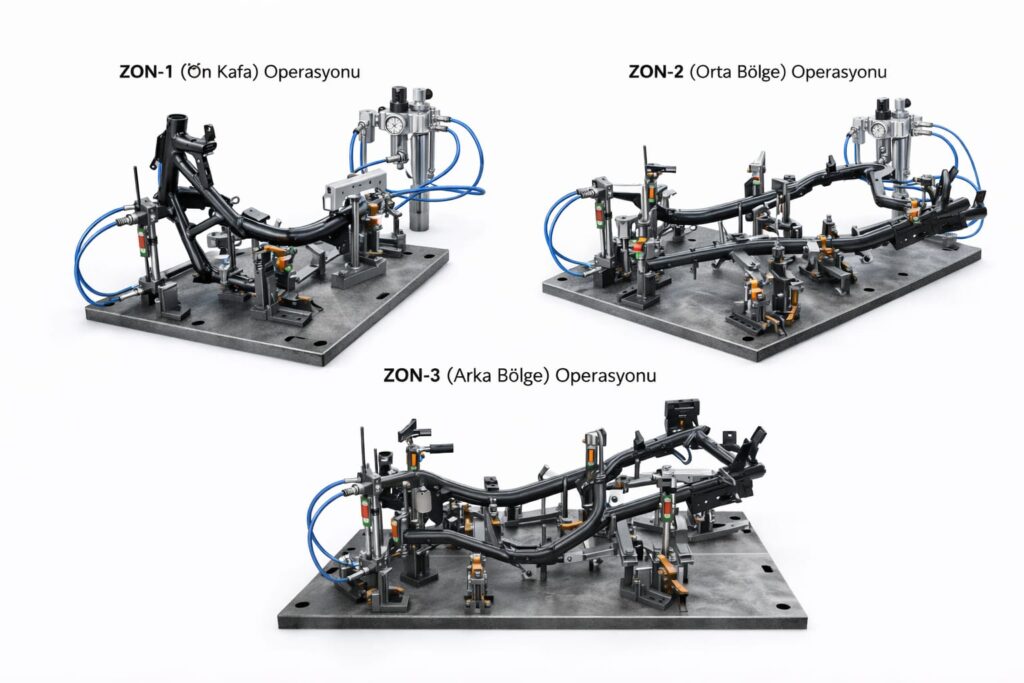
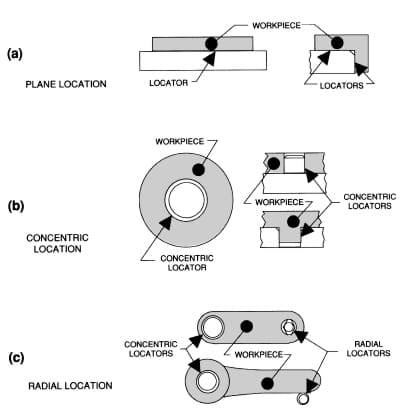
Accurate Location
The workpiece must be precisely positioned relative to the machine coordinate system. This is typically achieved using locating elements such as:
- dowel pins
- locating blocks
- precision ground surfaces
- V-blocks
These locating features ensure that the part is placed in the correct position every time it is loaded onto the machine.
Secure Clamping
Once positioned, the workpiece must be securely clamped to prevent movement caused by cutting forces. Effective clamping systems maintain stability without introducing distortion into the part.
Common clamping technologies include:
- mechanical clamping systems
- hydraulic clamping systems
- pneumatic clamping devices
Proper clamping force must be carefully controlled to balance holding strength and part deformation.
Structural Support
Workpieces must be adequately supported to resist cutting forces. Insufficient support may lead to part deflection, vibration, or dimensional errors.
Support structures may include:
- adjustable supports
- backing plates
- distributed contact surfaces
These elements increase rigidity and maintain geometric stability during machining operations.
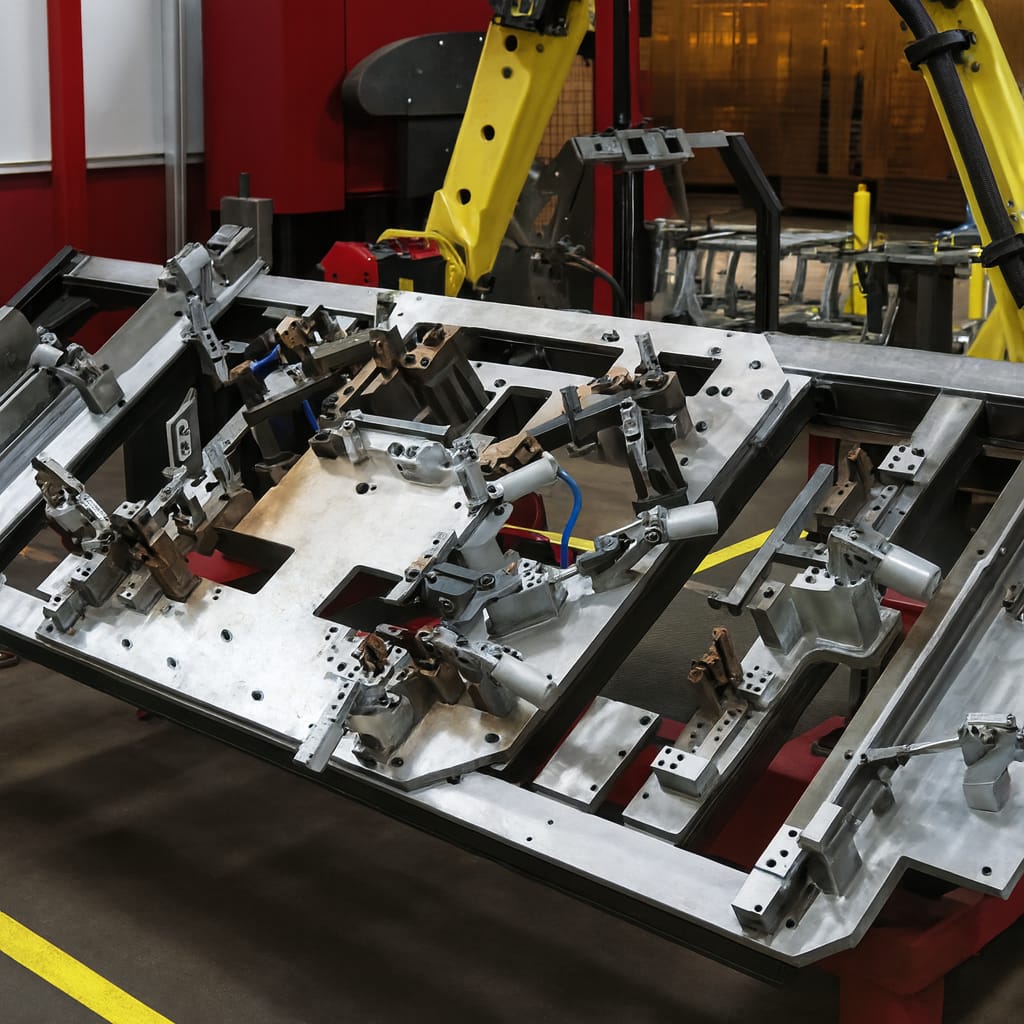
High Precision Machining Requirements


4
High precision machining focuses on producing parts with extremely tight tolerances and excellent surface quality. Achieving such accuracy requires precise control of multiple factors.
Key elements include:
Machine Accuracy
Modern CNC machining centers used for precision work typically feature:
- high rigidity machine structures
- thermally stable machine frames
- advanced spindle technology
- high-resolution encoders
These features enable positioning accuracy within a few microns.
Tooling and Cutting Strategy
Cutting tools must be selected carefully to ensure consistent performance.
Important considerations include:
- tool material and coating
- cutting edge geometry
- tool runout and balancing
Optimized toolpaths and cutting parameters help maintain stable machining conditions.
Thermal Stability
Temperature variations can significantly affect machining accuracy. Heat generated during cutting may cause expansion in both the workpiece and the machine structure.
Strategies to control thermal effects include:
- coolant systems
- machine thermal compensation
- controlled machining environments
Maintaining thermal stability is essential for achieving consistent dimensional accuracy.
Fixture Design for Precision Machining


4
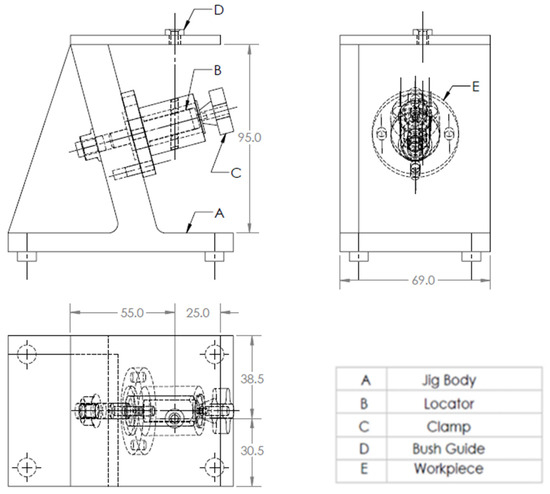
Fixture design plays a critical role in high precision machining.
A well-designed fixture ensures that the workpiece is positioned accurately and remains stable throughout the machining process.
Important fixture design considerations include:
Repeatability
The fixture must allow the workpiece to be positioned in exactly the same location each time it is loaded.
This is achieved using precision locating elements and standardized mounting systems.
Rigidity
The fixture structure must be rigid enough to resist cutting forces without deflection.
Rigid fixtures reduce vibration and improve surface finish quality.
Accessibility
Fixtures must allow sufficient access for cutting tools, particularly in multi-axis machining operations.
Poor fixture accessibility can limit machining capabilities or increase the risk of collisions.
Workholding Challenges in Precision Manufacturing
Several challenges arise when machining high precision components.
Part Deformation
Thin or lightweight components may deform under clamping pressure or cutting forces.
Specialized workholding solutions such as distributed clamping or vacuum fixtures are often used to address this issue.
Vibration and Chatter
Machining vibrations can degrade surface finish and reduce dimensional accuracy.
Stable workholding systems help suppress vibration by increasing system rigidity.
Tool Access Limitations
In multi-axis machining operations, the tool must approach the workpiece from multiple directions. Fixtures must be designed to avoid interference with toolpaths.
Low-profile fixtures and modular systems are commonly used to maximize accessibility.
Advanced Workholding Technologies

4
Modern manufacturing facilities increasingly rely on advanced workholding technologies that improve setup efficiency and machining accuracy.
Zero-Point Clamping Systems
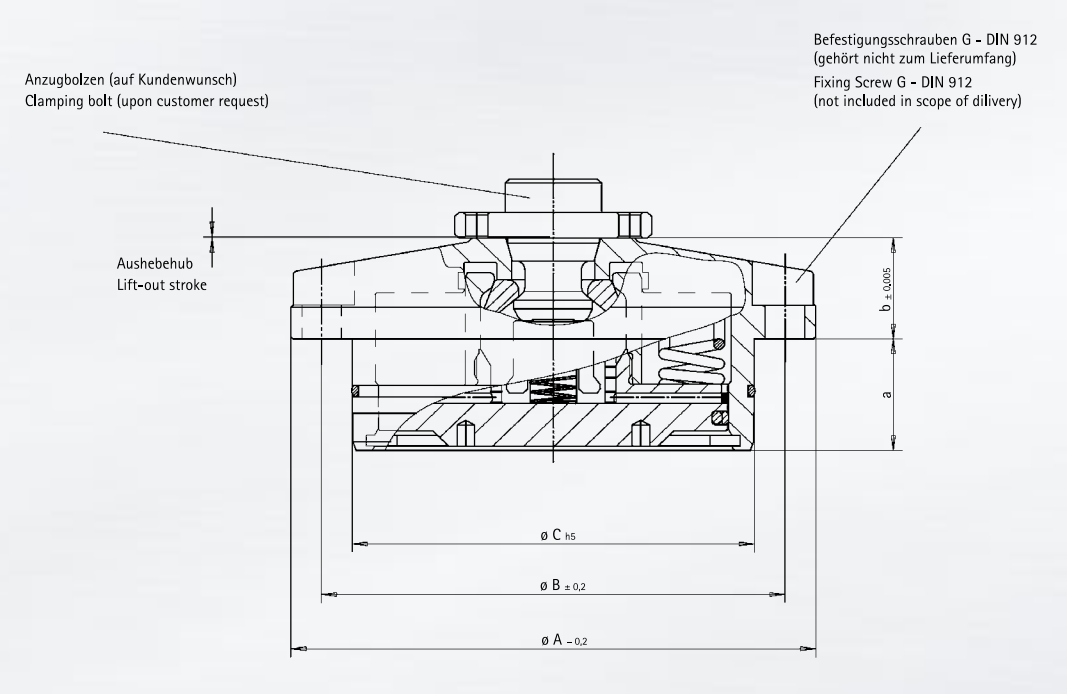
Zero-point systems allow fixtures and workpieces to be positioned quickly and accurately on the machine table.
Advantages include:
- extremely fast setup times
- high positioning repeatability
- modular fixture compatibility
Modular Workholding Systems
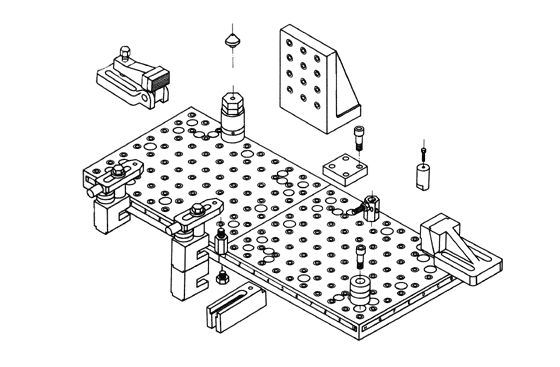
Modular workholding systems consist of standardized components that can be assembled into custom fixture configurations.
These systems provide flexibility for machining different parts without requiring entirely new fixtures.
Automation-Compatible Workholding
In automated machining environments, workholding systems must integrate with robotic loading systems and pallet changers.
Automated clamping mechanisms allow workpieces to be secured quickly and reliably during production cycles.
Industrial Workholding Solutions by Aspava Makina
High precision machining requires not only advanced machine tools and cutting strategies but also reliable workholding systems that ensure stable and accurate part positioning.
Manufacturers such as Aspava Makina specialize in the development of precision workholding solutions designed for demanding CNC machining applications.
Their product range includes:
- precision CNC vises
- modular clamping systems
- custom machining fixtures
- advanced workholding equipment for multi-axis machining
These solutions are designed to support machining operations that require high accuracy and stability, particularly when working with complex geometries or difficult materials.
By incorporating high-quality workholding technologies such as those developed by Aspava Makina, manufacturers can significantly improve machining precision, reduce setup times, and achieve greater process reliability.
In modern manufacturing environments where micron-level accuracy is required, advanced workholding systems form the foundation of successful machining operations. Reliable clamping and precise positioning ensure that the full potential of modern CNC machines and cutting tools can be realized.