4
As CNC manufacturing technology continues to evolve, 5-axis machining has become a fundamental capability in modern precision engineering. Complex components used in aerospace, medical, automotive, and high-performance industrial applications are increasingly produced using multi-axis CNC machines.
However, the performance of a 5-axis machining process does not depend solely on the machine tool itself. One of the most critical factors influencing machining accuracy, accessibility, and process stability is the workholding system, particularly the 5 axis vise.
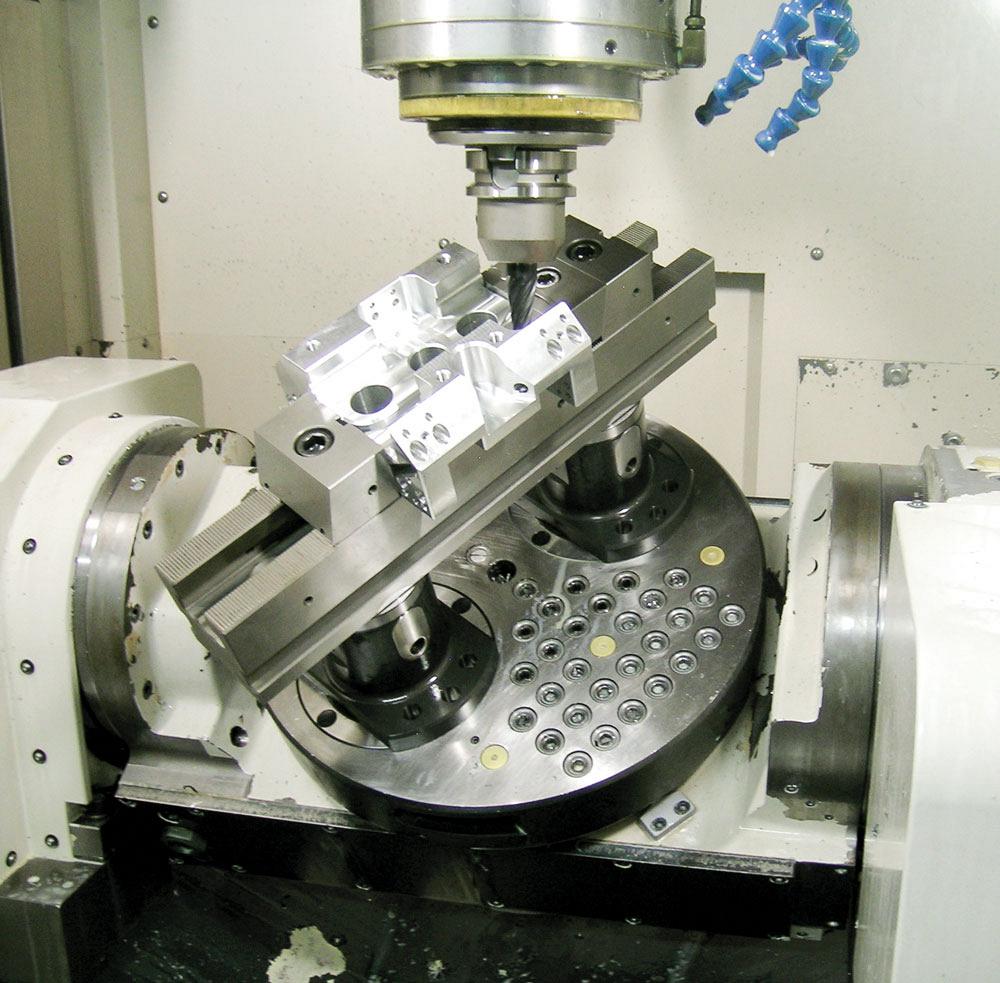
Modern 5-axis vise systems are specifically designed to support multi-directional machining operations while maintaining rigid clamping and precise workpiece positioning.
Why 5-Axis Machining Requires Specialized Workholding
Traditional CNC machining typically operates on three axes. In these setups, standard vises or fixtures are usually sufficient for holding workpieces securely.
However, 5-axis machining introduces additional movement and complex tool paths. Cutting tools approach the workpiece from multiple angles, often simultaneously rotating around two additional axes.
This creates new challenges for workholding systems:
- tool accessibility becomes critical
- clamping height must be minimized
- vibration control becomes more important
- collision avoidance must be considered
Standard vises often obstruct tool access or create unstable setups. For this reason, specialized 5-axis vise systems are widely used in modern machining environments.
Key Characteristics of 5 Axis Vise Systems
A well-designed 5-axis vise must provide both stability and accessibility. The goal is to clamp the workpiece securely while allowing cutting tools to reach as much of the part as possible.
Important characteristics of modern 5-axis vise systems include:
Compact Design
5-axis vises typically have a low-profile structure. This design minimizes interference between the vise and the cutting tool, allowing greater machining freedom.
High Clamping Stability
Even though the vise design is compact, it must provide high clamping force to prevent movement during aggressive machining operations.
Precision Repeatability
In precision machining environments, vises must provide consistent positioning accuracy so that parts can be produced with tight tolerances.
Maximum Tool Accessibility
One of the primary advantages of a 5-axis vise is improved tool access from multiple angles, which allows complex components to be machined in a single setup.
Advantages of Using 5 Axis Vise Systems
The use of specialized 5-axis workholding systems provides several advantages in modern CNC manufacturing.
Reduced Setup Operations
Complex parts can often be machined in a single setup, eliminating the need for multiple re-clamping operations.
Improved Machining Accuracy
Each time a workpiece is repositioned, there is potential for dimensional deviation. By minimizing setups, 5-axis vises improve overall machining accuracy.
Higher Production Efficiency
Fewer setups and improved tool access significantly reduce machining time.
Better Surface Quality
Stable workholding reduces vibration and tool deflection, leading to improved surface finishes.
Workholding Stability and Machining Performance
In high-performance machining environments, even small vibrations or workpiece movement can negatively affect machining results.
A stable 5-axis vise system helps maintain consistent cutting conditions by:
- minimizing vibration
- improving tool engagement
- maintaining rigid workpiece positioning
- reducing tool wear
These factors are particularly important when machining difficult materials such as titanium, stainless steel, and nickel-based superalloys.
Engineering Considerations for 5 Axis Workholding
Designing workholding systems for multi-axis machining requires deep engineering knowledge.
Engineers must carefully evaluate several factors:
- cutting force direction
- part geometry
- machining strategy
- machine configuration
- workpiece material
The optimal workholding solution must balance stability, accessibility, and production efficiency.
Advanced 5 Axis Workholding Solutions
Modern manufacturing environments require advanced workholding technologies capable of supporting complex machining operations.
Torque Component develops engineering-driven workholding solutions specifically designed for demanding CNC environments.
These solutions include:
- compact 5-axis CNC vise systems
- precision clamping technologies
- modular workholding systems
- high-rigidity clamping solutions for multi-axis machining
These systems are designed to improve machining stability, increase productivity, and allow efficient machining of complex components.
Explore the full range of engineering workholding solutions at:
https://www.torqueconponent.com
Precision Manufacturing Support by Aspava Makina
High-performance workholding systems require extremely precise manufacturing. The components used in advanced clamping systems must be produced with tight tolerances and durable materials.
Aspava Makina supports the development of high-quality workholding technologies through its expertise in:
- multi-axis CNC machining
- precision mechanical manufacturing
- fixture production
- high-precision component machining
With strong engineering knowledge and advanced machining capabilities, Aspava Makina contributes to the production of reliable workholding solutions used in demanding industrial environments.
Learn more about manufacturing capabilities at:
https://www.aspavamakina.com
Conclusion
The increasing complexity of modern manufacturing has made 5-axis machining an essential technology for producing advanced components. However, the effectiveness of multi-axis machining depends heavily on the quality of the workholding system.
Specialized 5-axis vise systems provide the stability, accessibility, and precision required for efficient multi-axis machining.
Engineering-driven workholding solutions developed by Torque Component, supported by the precision manufacturing expertise of Aspava Makina, enable manufacturers to achieve higher accuracy, improved productivity, and stable machining processes.